

Legal Help Hub
Motoring Offence Solicitors in Dewsbury






Introduction
If you have been accused of a motoring offence, the consequences can be serious. Penalty points, fines and a possible driving ban may affect your work, family responsibilities and day-to-day independence.
Our Motoring Offences solicitors in Dewsbury advise and represent people facing a wide range of driving allegations. Whether you have been accused of speeding, careless driving, driving without insurance, or a more serious road traffic offence, early legal advice can help you understand your position and the options available.
At Ashmans Solicitors, our legal team defends clients accused of motoring offences across England and Wales. We understand how a driving conviction can affect your licence, your employment and your future, and we work carefully to prepare your case.
What Is a Motoring Offence Under UK Law?
Motoring offences are breaches of road traffic law that occur while driving, using, or being responsible for a motor vehicle.
Many offences are governed by the Road Traffic Act 1988, which sets out the legal framework for driving offences in England and Wales.
These offences can range from lower-level matters, such as speeding, to more serious allegations, including dangerous driving or driving whilst disqualified.
Depending on the offence, the matter may be dealt with by a fixed penalty notice, a court summon, or criminal proceedings.
Common Driving Offences We Defend
Our Motoring Offences solicitors regularly assist clients facing a wide range of road traffic allegations.
Speeding offences
Speeding is one of the most common motoring offences in the UK. Drivers caught exceeding the speed limit may receive:
- 3–6 penalty points
- A financial penalty
- A court summons in more serious cases
In some circumstances, it may be possible to challenge the accuracy of speed detection evidence or the way the allegation has been handled.
Careless or Dangerous Driving
Careless driving occurs where a driver’s standard of driving falls below that expected of a competent and careful driver.
Dangerous driving is more serious and involves driving that falls far below the required standard and creates obvious danger.
Penalties for dangerous driving can include:
- Significant fines
- Lengthy disqualification
- Possible imprisonment
Mobile Phone Driving Offences
Using a handheld mobile phone while driving is illegal in the UK.
Drivers found committing this offence may receive:
- Six penalty points
- A fine
- Increased insurance premiums
Professional drivers and new drivers can face particularly serious consequences if points accumulate on their licence.
Driving Without Insurance
Driving without valid insurance is treated seriously by the courts.
Potential penalties include:
- Six to eight penalty points
- Vehicle seizure
- Substantial fines
Failure to Identify the Driver
If you receive a notice requiring you to identify the driver of a vehicle and you fail to respond correctly, you may face prosecution for failing to identify the driver.
This offence can carry 6 penalty points, which can quickly put a driver at risk of a totting-up ban if they already have points on their licence.

Penalties for Motoring Offences in the UK
The penalties for motoring offences vary depending on the seriousness of the allegation.
Common penalties include:
- Penalty points on your driving licence
- Financial penalties
- Driving disqualification
- Vehicle seizure
- Court proceedings
The Sentencing Council provides guidance to courts on appropriate penalties for driving offences.
If you accumulate 12 or more penalty points within three years, you may face a totting-up disqualification.
How a Motoring Offence Solicitor Can Help Your Defence
Being accused of a motoring offence does not automatically mean you will be convicted.
A solicitor can review the prosecution evidence and identify possible issues in the case.
This may include examining:
- The accuracy of speed detection equipment
- Procedural errors in the investigation
- Issues with witness evidence
- Compliance with police procedures
In some cases, legal arguments may affect how the case proceeds.
Even where a guilty plea is entered, legal representation can help ensure that relevant mitigation is clearly presented to the court.
Avoiding a Driving Ban and Exceptional Hardship
If you are facing a potential driving disqualification because of accumulated penalty points, it may be possible to argue exceptional hardship.
This involves showing the court that a driving ban would cause hardship beyond the usual inconvenience of losing a licence.
Examples may include:
- Loss of employment
- Impact on dependants
- Consequences for employees or business operations
Courts will carefully assess any exceptional hardship argument and supporting evidence before deciding whether to reduce or avoid a disqualification.
Facing Legal Issue?
Speak to our Motoring Offences team for confidential advice on your position and next steps.
Strictly Confidential and No Obligation
Why Choose Our Motoring Offence Solicitors in Dewsbury
When facing a motoring offence, it is important to obtain advice from solicitors who understand road traffic law and the practical consequences of losing a licence.
Ashmans Solicitors advises clients facing a wide range of motoring allegations, from penalty point matters to more serious driving offences.
Our team takes a careful approach to reviewing the evidence, identifying legal issues and preparing each case for the best possible presentation before the court.
We can advise clients in Dewsbury and the surrounding areas on motoring offence investigations, court proceedings and driving ban risks.
Speak to a Motoring Defence Solicitor Today
If you have been accused of a motoring offence in Dewsbury or the surrounding areas, legal advice should be sought as early as possible.
Our Motoring Offences solicitors can assess your situation, explain your legal options and guide you through the next steps in your case.
Contact Ashmans Solicitors today to discuss your situation with a member of our legal team and obtain clear, practical advice on how to protect your driving licence and your future.
5 Key Takeaways
- Motoring offences can result in penalty points, fines or disqualification from driving.
- Some offences can lead to court proceedings in the Magistrates’ Court.
- Accumulating 12 penalty points within three years may result in a totting-up driving ban.
- In some cases, it may be possible to challenge the prosecution or present a legal defence.
- Early advice from a motoring offence solicitor in Dewsbury can help protect your position.
Frequently Asked Questions
It is not mandatory, but legal advice can be important where you dispute the allegation, face court proceedings, or are at risk of a driving ban.
If you accumulate 12 or more penalty points within three years, you will usually face a totting-up disqualification unless exceptional hardship is established.
In some cases, a solicitor may be able to challenge the evidence, present mitigation, or make an exceptional hardship argument where the law allows.
Exceptional hardship is a legal argument used in totting-up cases to show that a driving ban would cause hardship beyond the normal inconvenience of losing a licence.
No. Some lower-level offences may be dealt with by fixed penalty notice. More serious offences, disputed allegations, or cases involving possible disqualification may require a court appearance.
Most penalty points remain on your driving record for 4 years, although some serious offences remain for 11 years.
Call us on 0333 009 6275. We are available to take your call 24 hours a day, 7 days a week.
You can also email us on enquiries@ashmanssolicitors.com or complete our Online Enquiry Form and we’ll be in touch soon.
Get in touch
We’ll respond within 15 minutes during office hours
Search our legal articles
Free expert guidance on criminal law, your rights, and what to expect at every stage.
Searching Legal Help Hub articles
Related insights and updates

Drunk in Charge vs Drink Driving UK: What’s the Legal Difference?

Failing to Provide a Specimen for Analysis – Legal Advice

Drink Driving and Drug Driving Penalties in the UK

Caught Drink Driving in the UK: What Happens Next?

Using a Mobile Phone While Driving in the UK: Law, Penalties and Legal Defence

Mobile Phone Driving Law in the UK: Rules, Penalties and Legal Defences

Totting Up Ban Explained: What Happens If You Reach 12 Penalty Points?

Taking Penalty Points for Someone Else: Is It Perverting the Course of Justice?

What Happens If Your Licence Is Revoked as a New Driver in the UK?

Motoring Offence Convictions in the UK: What You Need to Know

Common Motoring Law Myths in the UK Explained

Mobile Phone Driving Laws in the UK: Rules, Penalties and Legal Defences

How to Report a Road Traffic Accident in the UK

Hip Flask Defence in Drink Driving Cases

Failure to Stop After an Accident in the UK: Law, Penalties and Legal Defence
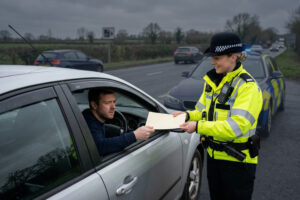
Fail to Produce Driving Documents: Offence, Penalties and Legal Defence

Drug Driving UK: Legal Limits, Penalties and Defences

Driving Without Insurance UK Penalties: Fines, Points and Court Consequences

Driving Whilst Disqualified in the UK: Penalties, Court Process and Legal Defences