

Legal Help Hub
Common Motoring Law Myths in the UK Explained






Introduction
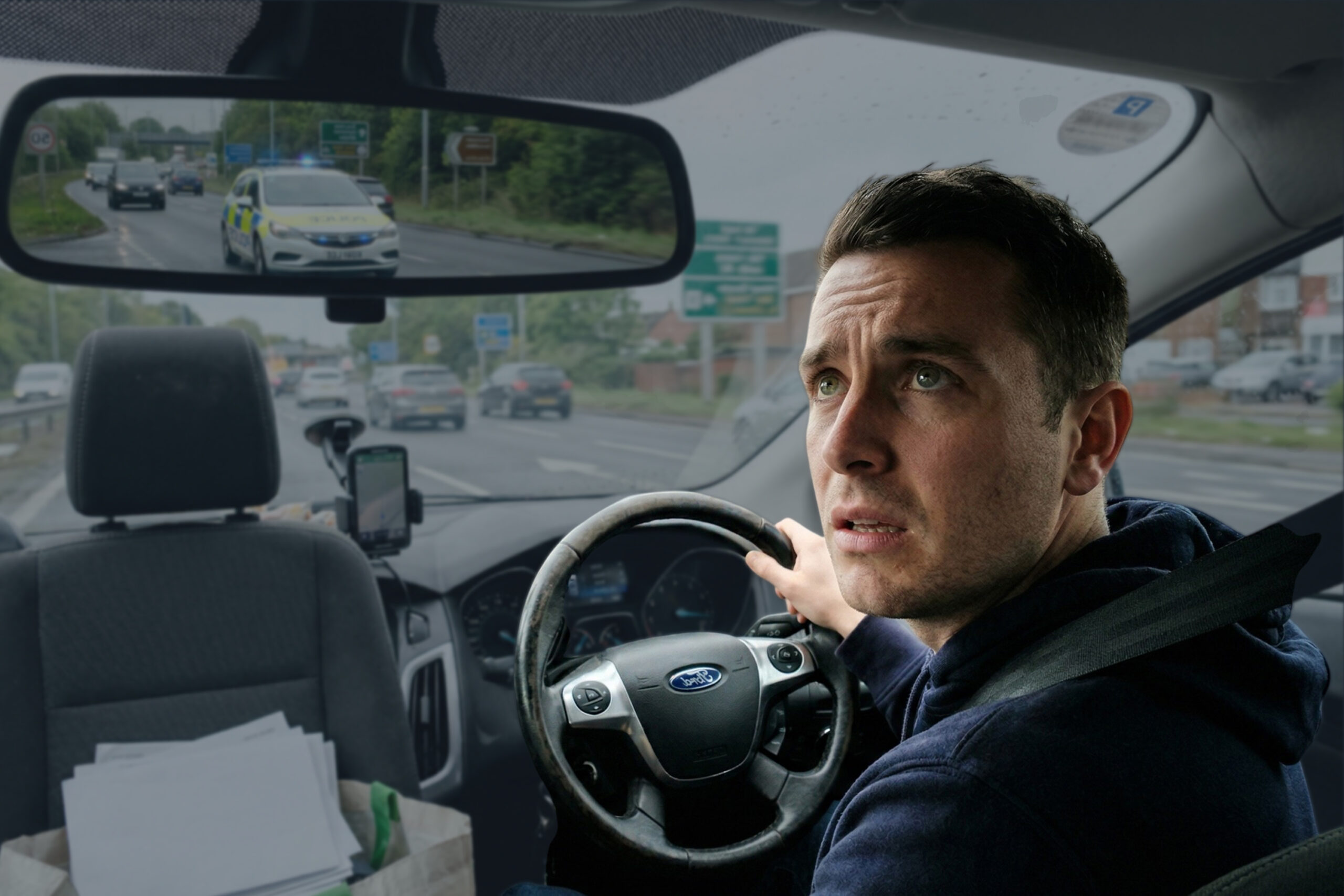
Many drivers rely on advice they have heard from friends, family, or social media when it comes to UK driving laws. Unfortunately, some of these beliefs are motoring law myths that can lead motorists into serious legal trouble.
UK road traffic law is governed by legislation such as the Road Traffic Act 1988 and supported by rules contained in the The Highway Code. Misunderstanding these laws can result in penalty points, fines, driving disqualification, or even criminal charges.
This article explains several common motoring law myths in the UK and clarifies what the law actually says.
Why Motoring Law Myths Can Lead to Criminal Charges
Drivers often assume certain behaviours are acceptable because they are treated as “unwritten rules” of the road. However, UK motoring law is based on legislation, road safety rules and the circumstances of each case, not informal driving customs.
Offences such as speeding, careless driving, or driving without proper control can be prosecuted under the Road Traffic Act 1988 and related legislation.
Even actions that seem harmless may be treated as evidence of careless or dangerous driving, depending on the circumstances.
Understanding the difference between myth and law is therefore important.
Myth 1: Flashing Your Headlights Is Always Illegal
Many drivers believe flashing headlights is illegal in all circumstances. This is not entirely correct.
Under Rule 110 of the Highway Code, flashing headlights should only be used to warn other road users of your presence.
Drivers should not flash headlights to send other messages or intimidate other road users.
More commonly, flashing headlights can lead to legal issues if it contributes to:
- Careless driving
- Aggressive driving behaviour
- Intimidating other motorists
Drivers should therefore use headlights cautiously and only for legitimate safety reasons.

Myth 2: Driving Barefoot Is Against the Law
Another common belief is that driving barefoot is illegal in the UK.
In reality, there is no specific law prohibiting driving without footwear.
However, drivers must remain in proper control of the vehicle at all times. If barefoot driving affects your ability to operate the pedals safely, it could result in an offence such as:
- Careless driving
- Driving without proper control
Police may assess whether footwear or lack of it contributed to unsafe driving behaviour.
Myth 3: You Can Legally Drive Slightly Over the Speed Limit
Some drivers believe that exceeding the speed limit by a small amount is acceptable. This is one of the most common driving law myths in the UK.
Speed limits are legal maximums, not guidelines.
Although enforcement thresholds may vary between police forces, exceeding the limit can still lead to prosecution. Speeding offences are commonly dealt with under the Road Traffic Regulation Act 1984.
Penalties may include:
- Penalty points
- Fines
- Court proceedings for higher speeds
- Possible driving disqualification
Drivers should always treat the posted limit as the maximum permitted speed.
Myth 4: Sleeping in Your Car Is Always Legal
Many drivers assume they can sleep in their vehicle after drinking alcohol to avoid drink driving charges..
This situation is more complex than many people realise.
Under UK law, a person may still be charged with being in charge of a vehicle while over the prescribed alcohol limit.
Even if the vehicle is not moving, prosecutors may argue that the driver had the intention or ability to drive.
Courts will consider factors such as:
- Where the keys were located
- Whether the driver was in the driver’s seat
- Whether the engine had been running
- The surrounding circumstances
This is why sleeping in a vehicle while intoxicated can still lead to legal consequences.
Myth 5: Speed Cameras Must Always Be Visible
Another common myth is that speed cameras must always be clearly visible or signposted.
While many cameras are marked and visible, there is no strict legal requirement that all enforcement devices must be obvious to drivers.
Police may use a variety of enforcement tools, including:
- Mobile speed cameras
- Average speed cameras
- Unmarked enforcement vehicles
Motorists should assume that speed limits may be enforced at any time.
Myth 6: Undertaking Is Always Illegal
Undertaking, or passing another vehicle on the left, is often described as illegal.
The reality is more nuanced.
The Highway Code advises against undertaking, but it is not automatically a criminal offence.
However, undertaking may result in prosecution if it is considered:
- Careless driving
- Dangerous driving
- Unsafe lane use
For example, weaving between lanes or overtaking on the inside at high speed could lead to serious legal consequences.
What Happens If You Are Accused of a Motoring Offence
Motoring offences can range from minor matters to serious criminal allegations.
Common offences include:
- Speeding
- Careless driving
- Dangerous driving
- Drink driving
- Driving without insurance
Depending on the offence, drivers may face:
- Penalty points
- Financial penalties
- Driving disqualification
- Criminal convictions
Courts follow sentencing guidelines published by the Sentencing Council, which determine appropriate penalties based on the severity of the offence
Facing Legal Issue?
Speak to our Motoring Offences team for confidential advice on your position and next steps.
Strictly Confidential and No Obligation
How a Motoring Offence Solicitor Can Help
If you are investigated or charged with a motoring offence, obtaining experienced legal advice can be critical.
A specialist motoring solicitor can:
- Review the prosecution evidence
- Advise on potential defences
- Represent you during police investigations
- Provide representation in the Magistrates’ Court or Crown Court
Legal advice may be particularly important where a driving conviction could affect employment, insurance, or professional licences.
Speak to a Motoring Offence Solicitor
Motoring offences can have serious consequences, particularly where penalty points or disqualification are involved.
If you are facing investigation or charges relating to a road traffic offence, advice from a solicitor experienced in Motoring Offences can help you understand your position and the legal options available.
5 Key Takeaways
- Many commonly believed driving rules are misunderstood or inaccurate.
- Following informal advice about motoring law can lead to penalty points, fines, disqualification, or prosecution.
- The Highway Code and road traffic legislation set out the rules drivers are expected to follow.
- Police can investigate and prosecute a wide range of motoring offences.
- Legal advice can help you understand the allegation, the evidence and the possible consequences.
Frequently Asked Questions
No. However, the Highway Code states that headlights should only be flashed to warn other road users of your presence.
There is no law specifically banning barefoot driving, but drivers must remain in proper control of the vehicle.
No. Speed limits represent the maximum lawful speed.
You may still be prosecuted for being in charge of a vehicle while over the legal alcohol limit, depending on the circumstances.
Not all speed cameras are obvious to drivers. Motorists should assume that speed limits may be enforced at any time.
Undertaking is not automatically prosecuted in every situation, but it may be treated as careless or dangerous driving depending on how it is done.
Call us on 0333 009 6275. We are available to take your call 24 hours a day, 7 days a week.
You can also email us on enquiries@ashmanssolicitors.com or complete our Online Enquiry Form and we’ll be in touch soon.
Get in touch
We’ll respond within 15 minutes during office hours
Search our legal articles
Free expert guidance on criminal law, your rights, and what to expect at every stage.
Searching Legal Help Hub articles
Related insights and updates

Drunk in Charge vs Drink Driving UK: What’s the Legal Difference?

Failing to Provide a Specimen for Analysis – Legal Advice

Drink Driving and Drug Driving Penalties in the UK

Caught Drink Driving in the UK: What Happens Next?

Using a Mobile Phone While Driving in the UK: Law, Penalties and Legal Defence

Mobile Phone Driving Law in the UK: Rules, Penalties and Legal Defences

Totting Up Ban Explained: What Happens If You Reach 12 Penalty Points?

Taking Penalty Points for Someone Else: Is It Perverting the Course of Justice?

What Happens If Your Licence Is Revoked as a New Driver in the UK?
Motoring Offence Convictions in the UK: What You Need to Know
Mobile Phone Driving Laws in the UK: Rules, Penalties and Legal Defences

How to Report a Road Traffic Accident in the UK

Hip Flask Defence in Drink Driving Cases

Failure to Stop After an Accident in the UK: Law, Penalties and Legal Defence
Fail to Produce Driving Documents: Offence, Penalties and Legal Defence
Drug Driving UK: Legal Limits, Penalties and Defences

Driving Without Insurance UK Penalties: Fines, Points and Court Consequences

Driving Whilst Disqualified in the UK: Penalties, Court Process and Legal Defences
Causing Death by Dangerous Driving in the UK: Law, Sentencing and Legal Defence