

Legal Help Hub
Can Police Take a Blood Sample in Hospital for Drink Driving?





Introduction
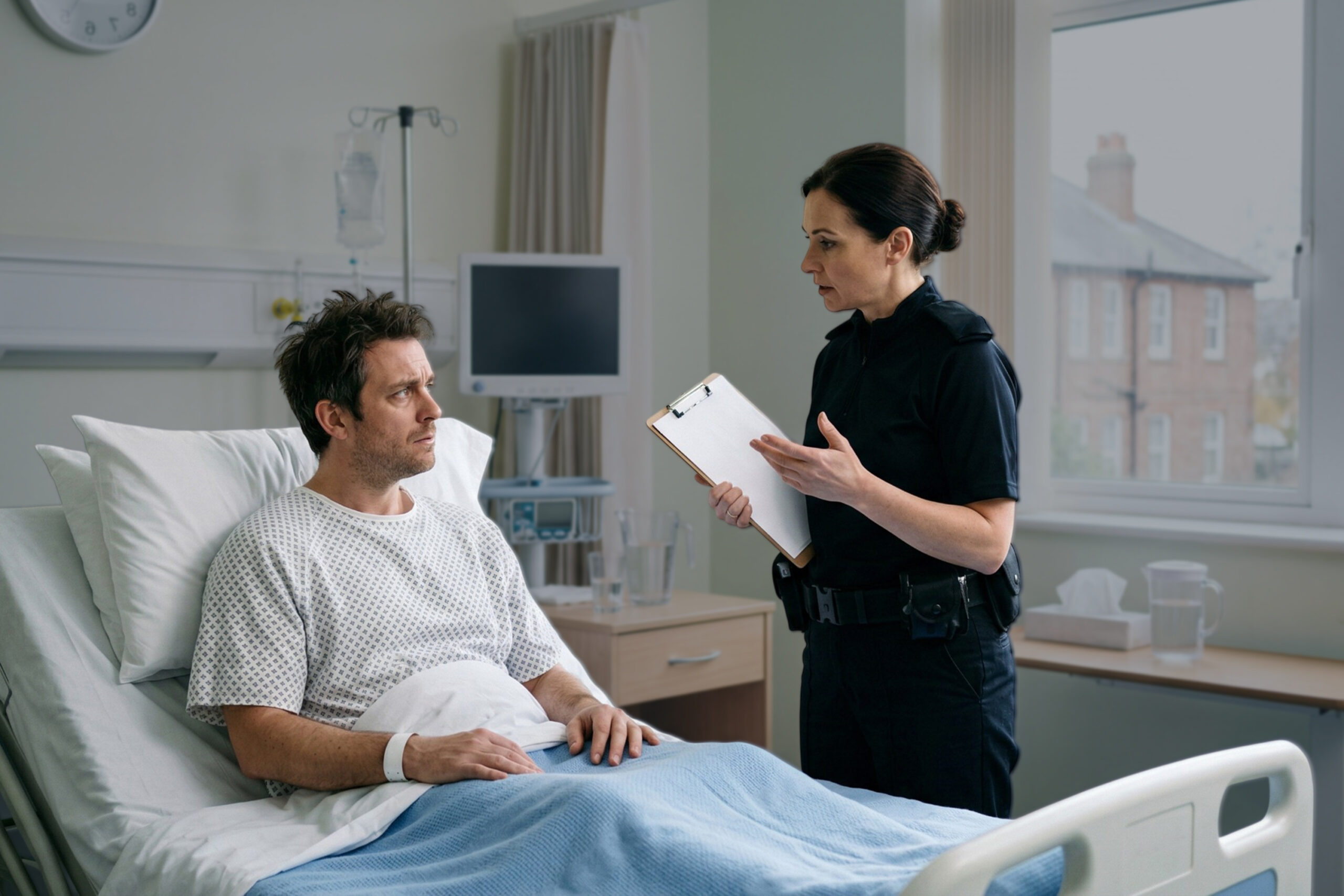
If you are taken to hospital after a road traffic incident, police may suspect that alcohol was a factor. In these circumstances, officers may request a blood sample to determine whether you were over the legal drink driving limit.
Hospital drink driving cases can be legally complex. The procedure is different from the usual breath tests carried out at the roadside or police station. Strict rules apply to consent, medical approval and how samples are collected and tested.
If the correct procedure is not followed, this may affect whether the evidence can be used in court.
When Can Police Request a Blood Sample for Drink Driving?
Under UK drink driving law, the police can require a driver to provide a specimen of breath, blood or urine when investigating suspected alcohol-related driving offences.
Normally, breath tests are carried out:
- At the roadside, or
- At a police station using an evidential breathalyser.
However, if a driver has been injured and taken to hospital, breath testing may not be possible. In those circumstances, police may request a blood specimen instead.
This situation commonly arises following:
- Road traffic collisions
- Serious injuries
- Situations where medical treatment is required
- Circumstances where a driver cannot provide breath.
Can the Police Take Blood While You Are a Hospital Patient?
Yes. Police can request a blood sample while you are receiving treatment in hospital, but additional legal safeguards apply.
Medical practitioner approval
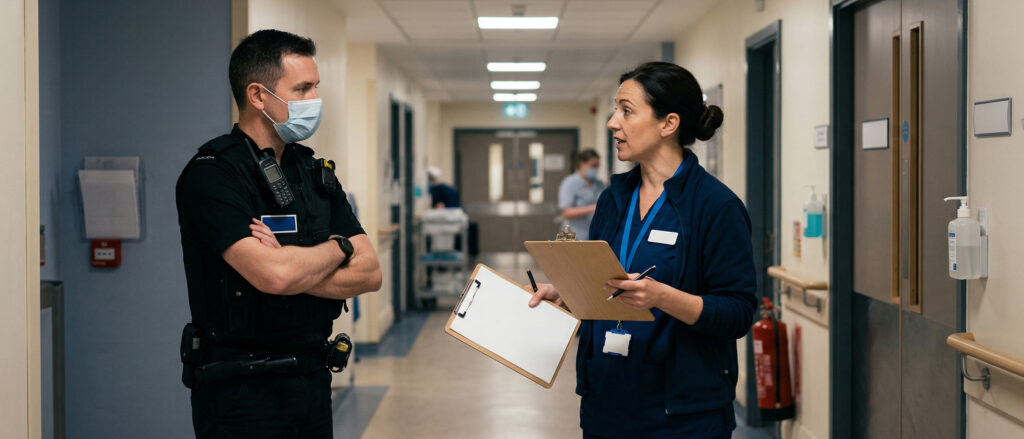
A doctor or medical practitioner responsible for your care must confirm that providing a sample would not interfere with your treatment.
If the doctor believes that taking blood could be harmful or interfere with urgent medical care, police cannot proceed.
Consent requirements
In most cases, police must also obtain your consent before the blood sample can be taken and analysed.
Before requesting the sample, officers must provide a statutory warning explaining that:
- They require a specimen of blood; and
- Failure to provide a specimen may result in prosecution.
This warning is an important part of the legal process.
What Is the Legal Procedure for Taking a Blood Sample?
Hospital blood tests for drink driving must follow strict procedures.
Who can take the sample
The blood must be taken by an approved healthcare professional, such as:
- A doctor
- A nurse
- Another qualified medical practitioner.
Police officers themselves cannot take the sample.
Number of samples
Typically, the practitioner will draw two separate blood samples.
One sample is sent to a laboratory for analysis. The other should be offered to the suspect for independent testing if required.
Laboratory testing rules
Strict forensic procedures apply when analysing blood samples.
These include:
- Secure storage of the specimen
- Proper labelling and sealing
- Transport to an approved laboratory
- Calibration and maintenance of testing equipment.
Any issues in the chain of custody or testing process may raise questions about the reliability of the result.
What Happens If You Cannot Give Consent?
After a serious accident, a driver may be unconscious or lack capacity to give consent.
In these circumstances:
- A blood sample may still be taken if a medical practitioner approves;
- However, the sample cannot be analysed until the driver regains capacity and consents to testing.
Once the driver is capable of understanding the request, the police must explain:
- That a sample has already been taken; and
- That they require permission for it to be analysed.
If consent is then refused without reasonable excuse, the driver may face an allegation of failing to provide a specimen.
Can You Refuse a Blood Test in Hospital?
Refusing to provide a blood sample when lawfully required can lead to prosecution.
This offence is commonly referred to as failing to provide a specimen.
However, there are limited circumstances where refusal may be justified.
Examples may include:
- Genuine medical reasons
- Physical inability to provide the sample
- Severe needle phobia in rare cases.
Each case depends on its facts and any supporting medical evidence.
What Happens After You Leave Hospital?
Once you are discharged from hospital, you are no longer considered a patient.
At that point:
- Police procedures revert to standard drink driving procedures;
- Officers may request breath, blood or urine samples without needing a doctor’s approval.
If the police continue their investigation, you may later be:
- Released under investigation
- Asked to attend a police station
- Charged with a drink driving offence.
Common Police Procedure Errors in Hospital Drink Driving Cases
Hospital drink driving cases involve specific procedures, and mistakes can occur.
Examples of issues that may arise include:
- Failure to obtain proper medical approval
- Inadequate statutory warning before requesting a specimen
- Improper collection or labelling of samples
- Delays in sending samples to the laboratory
- Issues with forensic testing equipment.
If procedural rules are not followed, it may be possible to challenge the reliability or admissibility of the evidence.
Facing Legal Issue?
Speak to our Motoring Offences team for confidential advice on your position and next steps.
Strictly Confidential and No Obligation
How a Solicitor Can Challenge Hospital Blood Test Evidence
Drink driving allegations based on hospital blood samples often involve detailed technical evidence.
A defence solicitor may examine:
- Police witness statements
- Hospital medical records
- Laboratory analysis certificates
- Forensic procedures used during testing.
In some cases, this review may identify errors or procedural issues that affect the prosecution case.
Careful legal analysis is often important when assessing whether the evidence is reliable and whether the correct procedures were followed.
Speak to a Motoring Offence Defence Solicitor
If you are facing a drink driving allegation following a hospital blood test, legal advice should be sought as soon as possible.
Hospital cases often involve procedural rules, medical evidence and forensic testing issues. A solicitor can review the evidence, identify any procedural irregularities and advise on how to respond to the allegation.
Early legal advice can be critical in understanding your position and preparing an effective defence.
5 Key Takeaways
- Police may request a blood sample in hospital if they suspect drink driving and breath testing is not possible.
- A doctor or medical practitioner must approve the taking of the sample.
- In most cases, the suspect must consent before the sample can be tested.
- If a driver is unconscious or lacks capacity, a sample may be taken but cannot be analysed until consent is given.
- Procedural errors by police or medical staff may affect whether the evidence can be challenged in court.
Frequently Asked Questions
Yes. Police can request a blood sample if they suspect drink driving and breath testing is not possible. However, a medical practitioner must approve the procedure.
In most cases, yes. Police must request your consent and warn that refusing to provide a specimen may lead to prosecution.
A sample may be taken with medical approval, but it cannot be analysed until you regain capacity and consent to testing.
Refusing without a reasonable excuse may result in prosecution for failing to provide a specimen.
The sample must be taken by a qualified healthcare professional such as a doctor or nurse.
Typically, two samples are taken. One is used for laboratory testing and the other may be offered for independent analysis.
If procedures are not followed correctly, the reliability of the evidence may be challenged.
Yes, provided the correct procedures were followed during collection, storage and analysis.
Call us on 0333 009 6275. We are available to take your call 24 hours a day, 7 days a week.
You can also email us on enquiries@ashmanssolicitors.com or complete our Online Enquiry Form and we’ll be in touch soon.
Get in touch
We’ll respond within 15 minutes during office hours
Search our legal articles
Free expert guidance on criminal law, your rights, and what to expect at every stage.
Searching Legal Help Hub articles
Related insights and updates

Can I Reopen old Conviction from Two Years Ago If I Knew Nothing About It?

Drunk in Charge vs Drink Driving UK: What’s the Legal Difference?

Failing to Provide a Specimen for Analysis – Legal Advice

Drink Driving and Drug Driving Penalties in the UK
Caught Drink Driving in the UK: What Happens Next?
Using a Mobile Phone While Driving in the UK: Law, Penalties and Legal Defence

Mobile Phone Driving Law in the UK: Rules, Penalties and Legal Defences

Totting Up Ban Explained: What Happens If You Reach 12 Penalty Points?

Taking Penalty Points for Someone Else: Is It Perverting the Course of Justice?

What Happens If Your Licence Is Revoked as a New Driver in the UK?
Motoring Offence Convictions in the UK: What You Need to Know

Common Motoring Law Myths in the UK Explained
Mobile Phone Driving Laws in the UK: Rules, Penalties and Legal Defences

How to Report a Road Traffic Accident in the UK

Hip Flask Defence in Drink Driving Cases

Failure to Stop After an Accident in the UK: Law, Penalties and Legal Defence
Fail to Produce Driving Documents: Offence, Penalties and Legal Defence
Drug Driving UK: Legal Limits, Penalties and Defences

Driving Without Insurance UK Penalties: Fines, Points and Court Consequences