

Legal Help Hub
Can Hand Sanitiser Affect a Drink Driving Breathalyser Test?




Introduction
Alcohol-based hand sanitiser is widely used in everyday life. Many motorists are surprised to learn that alcohol vapour from these products may sometimes interfere with breath alcohol testing.
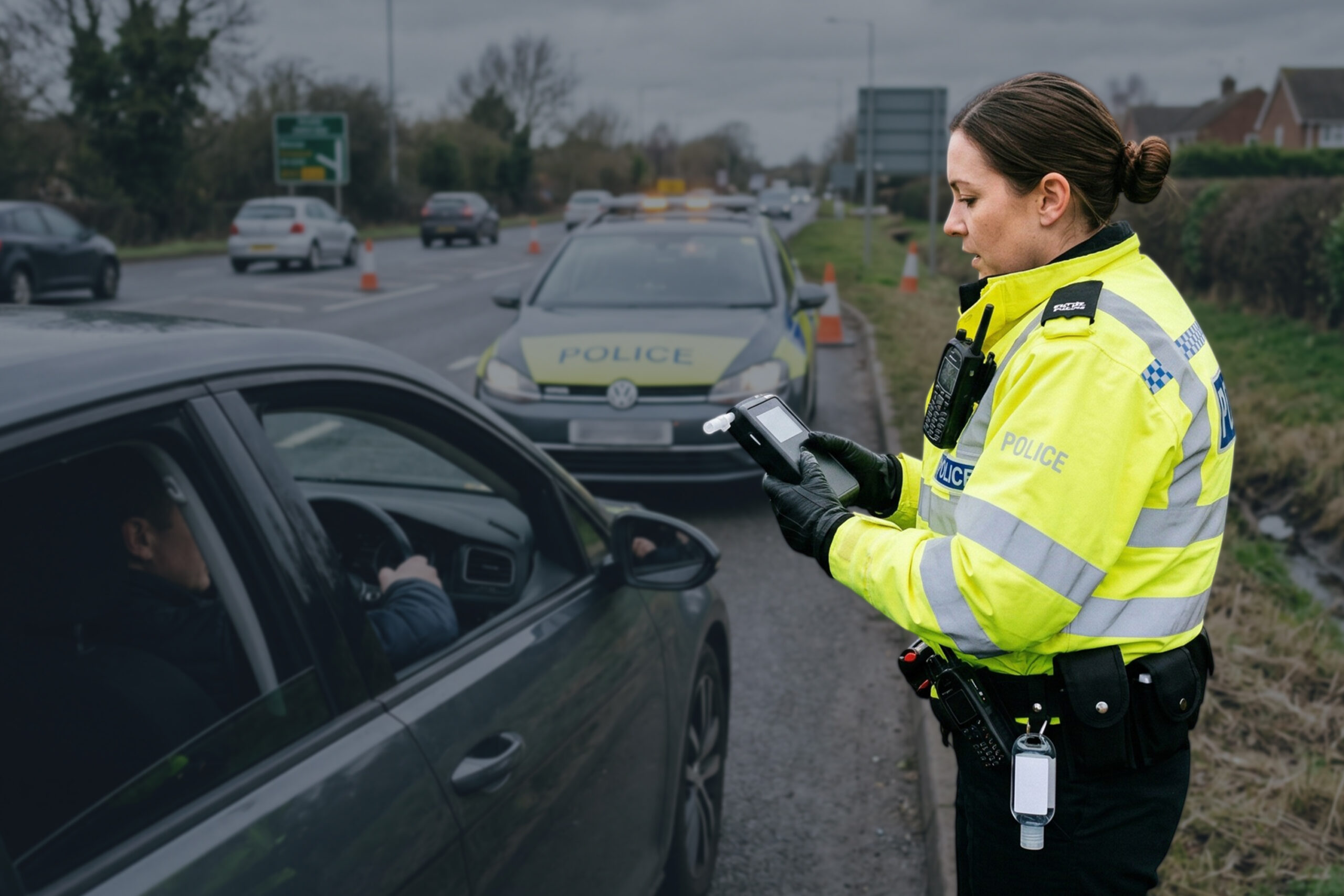
If police stop you on suspicion of drink driving, you may be required to provide a roadside breath test. In some situations, alcohol vapour from hand sanitiser may affect breath testing equipment and potentially lead to an inaccurate reading.
Understanding how breathalyser tests work, when errors may occur and how evidence may be challenged is important if you are facing a drink driving investigation.
How Drink Driving Breathalyser Tests Work in the UK
Drink driving investigations in England and Wales usually begin with a roadside breath test.
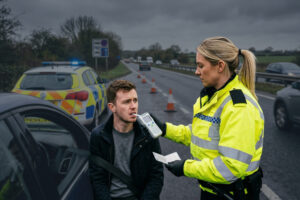
Police officers use a handheld device to measure the amount of alcohol in a person’s breath. If the result indicates alcohol above the legal limit, the driver may be arrested and taken to a police station for further testing.
At the police station, an evidential breathalyser is used to measure alcohol concentration more accurately.
The current legal limit in England and Wales is:
- 35 micrograms of alcohol per 100 millilitres of breath
This limit is set out in the Road Traffic Act 1988, which governs drink driving offences.
Evidence from evidential breath testing may be used in court to support a charge of driving with excess alcohol.
Why Hand Sanitiser Can Affect Breathalyser Readings
Alcohol-based hand sanitisers typically contain a high concentration of ethanol.
When sanitiser is applied to the hands, it evaporates quickly. This releases alcohol vapour into the surrounding air.
Because breathalysers are designed to detect alcohol molecules, these vapours may sometimes be detected by the device.
Contamination can occur in several ways;
Alcohol vapour near the device
If sanitiser is used immediately before testing, alcohol vapour may still be present in the air around the breathalyser.
Contamination of the mouthpiece
If sanitiser residue is transferred to the mouthpiece, the device may detect alcohol that was not actually consumed.
Sanitiser used by the test operator
Studies have shown that alcohol vapour from sanitiser used by the person administering the test can influence readings in certain circumstances.
For this reason, breath testing procedures are designed to reduce the risk of contamination.

Scientific Evidence on Hand Sanitiser and Breath Tests
Several scientific studies have examined whether alcohol-based hand sanitisers can affect breath alcohol readings.
Research has shown that:
- Alcohol vapour from sanitiser can sometimes be detected by breath testing equipment
- False positive results may occur if sanitiser is used immediately before the test
- Allowing sanitiser to dry, or waiting before testing, can reduce this risk
One study found that alcohol-based sanitiser used by the person operating a breathalyser produced positive readings even when the subjects had not consumed alcohol.
Another study concluded that common hand sanitiser could cause elevated breath alcohol readings when vapours were present near the testing device.
These findings show that environmental alcohol contamination can affect breath testing in certain conditions.
When Breathalyser Results May Be Challenged
Breathalyser evidence is often central to drink driving prosecutions. However, the reliability of the test result may be questioned in certain circumstances.
Examples may include:
- Improper testing procedure
- Equipment malfunction
- Contamination of the device
- Environmental alcohol vapour
- Medical or physiological factors
If a breath test result appears unusually high or inconsistent with the circumstances, further investigation may be needed.
In some cases, expert evidence relating to breath testing procedure or scientific reliability may be relevant to the defence.
Police Procedure for Drink Driving Breath Tests
Police officers must follow specific procedures when carrying out breath tests.
These procedures are designed to ensure that the result is reliable and can be used in court.
Typical safeguards include:
- Using a new sterile mouthpiece
- Ensuring the device is properly calibrated
- Conducting two evidential breath tests
- Following correct waiting periods before testing
Failure to follow proper procedure may affect the reliability of the evidence.
Facing Legal Issue?
Speak to our Motoring Offences team for confidential advice on your position and next steps.
Strictly Confidential and No Obligation
What To Do If You Believe Your Breath Test Was Inaccurate
If you are investigated or charged with drink driving, legal advice should be sought as soon as possible.
A solicitor experienced in motoring offences can examine:
- The breath testing procedure used
- Calibration records for the equipment
- Custody records and police notes
- Possible contamination issues
Early legal advice can help assess the evidence and identify any issues with the breath test procedure.
Speak to a Drink Driving Defence Solicitor
Drink driving allegations can carry serious consequences, including disqualification from driving, fines and a criminal conviction.
If you are facing a drink driving investigation or charge, a criminal defence solicitor can help you understand your legal position and the options available.
Specialist legal advice may be particularly important where there are concerns about the reliability of breath test evidence.
5 Key Takeaways
- Many hand sanitisers contain 60–95% alcohol, which can release vapour into the surrounding air.
- Breath testing devices may detect alcohol vapour contamination rather than alcohol consumed by the driver.
- Contamination may occur if sanitiser is used immediately before the breath test.
- Scientific research has shown that false positive breathalyser readings can occur in certain circumstances.
- If a breath test result is unreliable, this may form part of a drink driving defence.
Frequently Asked Questions
In certain circumstances, alcohol vapour from hand sanitiser may affect sensitive breath testing devices. This is most likely to occur if sanitiser has been used immediately before the test.
Yes. Breathalysers detect alcohol molecules in the breath. Vapours from alcohol-based products may sometimes be detected by the device.
Using hand sanitiser does not mean you will fail a breath test. However, under specific conditions, alcohol vapours may interfere with the reading.
The legal limit is 35 micrograms of alcohol per 100 millilitres of breath.
Evidential breathalysers used at police stations are highly accurate when operated correctly. However, contamination or procedural errors may affect results in rare cases.
Yes. The reliability of breathalyser evidence may be challenged if there are concerns about testing procedures, equipment accuracy, or contamination.
Call us on 0333 009 6275. We are available to take your call 24 hours a day, 7 days a week.
You can also email us on enquiries@ashmanssolicitors.com or complete our Online Enquiry Form and we’ll be in touch soon.
Get in touch
We’ll respond within 15 minutes during office hours
Search our legal articles
Free expert guidance on criminal law, your rights, and what to expect at every stage.
Searching Legal Help Hub articles
Related insights and updates

Can I Reopen old Conviction from Two Years Ago If I Knew Nothing About It?

Drunk in Charge vs Drink Driving UK: What’s the Legal Difference?

Failing to Provide a Specimen for Analysis – Legal Advice
Drink Driving and Drug Driving Penalties in the UK
Caught Drink Driving in the UK: What Happens Next?
Using a Mobile Phone While Driving in the UK: Law, Penalties and Legal Defence

Mobile Phone Driving Law in the UK: Rules, Penalties and Legal Defences

Totting Up Ban Explained: What Happens If You Reach 12 Penalty Points?
Taking Penalty Points for Someone Else: Is It Perverting the Course of Justice?

What Happens If Your Licence Is Revoked as a New Driver in the UK?
Motoring Offence Convictions in the UK: What You Need to Know

Common Motoring Law Myths in the UK Explained
Mobile Phone Driving Laws in the UK: Rules, Penalties and Legal Defences

How to Report a Road Traffic Accident in the UK

Hip Flask Defence in Drink Driving Cases
Failure to Stop After an Accident in the UK: Law, Penalties and Legal Defence
Fail to Produce Driving Documents: Offence, Penalties and Legal Defence
Drug Driving UK: Legal Limits, Penalties and Defences

Driving Without Insurance UK Penalties: Fines, Points and Court Consequences