Legal Help Hub
Dangerous Dog Charges: What Happens If Your Dog Bites Someone?







Introduction
If your dog bites someone, you could face criminal charges under the Dangerous Dogs Act 1991, even if the incident happened on private property. The law applies to dogs of any breed, and you may be prosecuted if your dog was dangerously out of control.
However, a bite does not automatically mean you are guilty, and your dog will not necessarily be destroyed. The outcome depends on what happened, who was responsible for the dog and whether anyone was injured.
This guide explains dangerous dog offences in England and Wales, what to do if the police become involved, the possible penalties and how courts decide whether a dog can remain with its owner.
Can You Face a Criminal Charge if Your Dog Bites Someone?
Under the Dangerous Dogs Act 1991, it is a criminal offence for a dog to be dangerously out of control. The law applies to any breed, whether you own a small family pet or a much larger dog.
Both the owner and the person in charge of the dog at the time may face prosecution. You could therefore be investigated even if someone else was handling your dog when the incident occurred.
A bite is not necessary for the offence. A dog may be considered dangerously out of control if there are reasonable grounds to fear that it will injure someone.
However, a bite does not automatically prove the offence either. The police and courts must consider how the incident happened, the dog’s behaviour and the surrounding circumstances.
The offence is one of strict liability. This means the prosecution does not generally need to prove that you intended the incident to happen or knew that your dog was likely to behave dangerously.
The Act distinguishes between a basic offence, where no injury is caused, and an aggravated offence, where someone or an assistance dog is injured while the dog is dangerously out of control.
The aggravated offence carries more serious penalties.
Does It Matter Where the Bite Happened or Who Was in Charge?
Location: anywhere in England and Wales can count
Dangerous dog offences are not limited to public places.
Since May 2014, the law has also applied to incidents in private locations, including homes, gardens and driveways.
For example, if your dog bites a visitor inside your home, you may still face prosecution.
There is a limited exception known as the householder defence. This can apply where a dog is dangerously out of control towards someone who is trespassing in or entering a home, subject to the conditions in the legislation.
However, the defence does not generally extend to incidents involving trespassers in gardens, driveways or outbuildings. It also does not automatically apply merely because an incident happened on your property.
The person’s right to be there, where the incident occurred and the circumstances surrounding their entry will all be relevant.
Who was in charge of the dog?
A dangerous dog charge may be brought against the owner, the person handling the dog or both.
For example, if your dog bites someone while being walked by a friend or professional dog walker, the police may examine who was responsible for controlling it.
The owner may have a defence if they were not in charge at the time and can establish that they reasonably believed the dog was with a fit and proper person.
This is an important distinction where a dog was entrusted to someone else. The court will consider the arrangements in place, who was handling the dog and the circumstances of the incident.
Being the registered owner does not automatically determine the outcome.
Does the injury affect the charge?
The nature and extent of any injury can affect both the offence charged and the possible sentence. Where a dog is dangerously out of control but no injury results, the offence is generally dealt with in the Magistrates’ Court.
If the dog injures someone while dangerously out of control, the aggravated offence may be heard in either the Magistrates’ Court or the Crown Court.
Injuring an assistance dog can also amount to an aggravated offence, although a different maximum sentence applies.
Medical evidence and the circumstances of the incident may be important in determining the appropriate charge.
What to Do if the Police Contact You?
Do not answer police questions without a solicitor
If the police contact you in connection with a dangerous dog incident, you are entitled to legal advice before and during any police interview under the Police and Criminal Evidence Act 1984.
You should ask for a duty solicitor to be arranged, or instruct your own specialist dangerous dog defence solicitor before you attend.
Exercising your right to legal advice is not an admission of guilt and does not make you appear uncooperative.
Even if you are confident that you have done nothing wrong, answering police questions without advice carries real risk. What you say in an interview can be used in evidence against you.
A solicitor can review the available information, advise you on the strength of the evidence and help you respond appropriately.
Preserve evidence and do not contact the complainant
As soon as you are aware of a complaint or investigation involving a dangerous dog, take steps to preserve any evidence that may support your account.
Contact the owners of any nearby CCTV cameras or dashcam footage promptly, as recordings are often overwritten within days.
Note the exact location and conditions at the time of the incident, including the layout of the area, any fencing or signage, the weather and anything about the behaviour of the person or other animal involved immediately before the incident.
Collect the contact details of any independent witnesses. Write down what you observed, with as much detail as possible, while your recollection is fresh.
Do not contact the complainant or any witnesses directly, and do not discuss the incident on social media or in messages. Anything you say in public or in private communications can potentially be disclosed as evidence.
Check any paperwork very carefully before signing
If the police attend and your dog is seized, you are not legally obliged to sign anything at the point of seizure.
This is one of the most significant risks in a dangerous dog case: many owners sign a disclaimer without fully understanding what they are agreeing to.
Signing such a document can transfer ownership of the dog to the police, which may allow the dog to be destroyed without any further court process. There is no cooling-off period once a disclaimer has been signed.
Take legal advice before signing anything relating to your dog’s future.
If you are not sure what a document says or what it means, ask the police to allow you time to seek legal advice before you sign.
What Happens if Your Dog Is Seized?
The police have powers to seize a dog that is suspected of being dangerously out of control. Seizure is not a conviction.
It does not mean the dog will be destroyed, and it does not mean the dangerous dog case against you has been decided. It is a step in the investigation process, not the outcome.
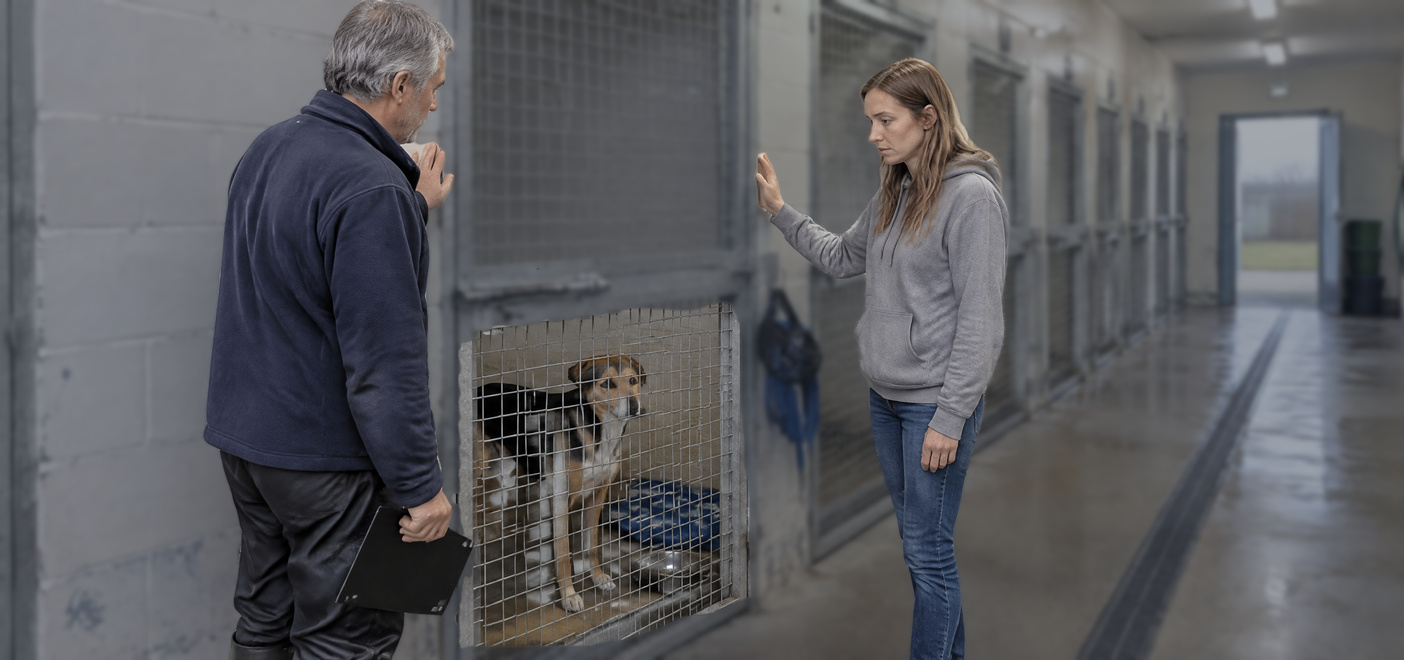
A seized dog may be kept in kennels while officers investigate the incident, arrange assessments or await court proceedings.
This can be upsetting for owners, particularly where the dog has been a family pet for many years.
The length of time the dog remains in kennels will depend on the investigation and the legal basis for its continued detention. There may also be costs associated with kennelling and care.
Your solicitor can examine the basis for seizure and retention and advise whether there is a route to seek the dog’s return.
They may also request information about the dog’s welfare and any behavioural assessment being carried out. If criminal proceedings follow, the court may need to decide whether the dog presents a danger to public safety.
Seizure and destruction are separate matters. A court can order destruction under the relevant legislation, while voluntary surrender or consent to destruction may allow a different process.
What Evidence Can Help Establish What Happened?
The other person’s account is not the only evidence that matters in a dangerous dog case.
Courts consider the full picture, and several types of evidence can be relevant to whether the dog was dangerously out of control, to any available defence and to the question of what order should be made about the dog.
CCTV footage from the scene or from nearby properties and vehicles is often important, particularly because it captures what actually happened rather than what each party recalls.
This footage can be overwritten quickly, so acting early to identify and preserve it matters.
Independent witness accounts can carry significant weight. Photographs of the location, any injuries and the conditions at the time can also help establish context in a dangerous dog investigation.
Evidence about the dog’s history and temperament is relevant to sentencing and to any application regarding a destruction order.
Veterinary records, training certificates, Canine Good Citizen assessments and similar documentation can help demonstrate the dog’s behaviour and character.
Evidence of provocation, or of the behaviour of the other person or other animal immediately before the incident, can be significant to the question of whether the dog was dangerously out of control.
Expert evidence from a veterinary behaviourist or approved dog assessor may also be instructed to assist the court in understanding the dog’s risk profile.
Where the householder defence is raised, evidence about the complainant’s status at the relevant time, specifically whether they were a lawful visitor or a trespasser, becomes a central question.
Documents, photographs, witness accounts or other material that bear on that question should be preserved.
Penalties and Sentencing for Dangerous Dog Offences
The penalties depend on whether the dog was dangerously out of control and whether a person or assistance dog was injured.
For the basic offence, where no injury is caused, the maximum sentence is six months’ imprisonment and a fine in the Magistrates’ Court. More serious penalties apply to aggravated offences.
Where a person is injured, the maximum sentence in the Crown Court is five years’ imprisonment. If a person dies because of the injuries, the maximum increases to fourteen years.
Where an assistance dog is injured or killed, the maximum custodial sentence is three years. These are statutory maximums, not the sentences automatically imposed.
The court considers the seriousness of the incident, the harm caused, the defendant’s culpability and any aggravating or mitigating factors.
For example, a case involving severe injuries and a history of poor control may be treated differently from an isolated incident involving less serious harm.
Depending on the offence and circumstances, the court may impose a fine, community order, suspended sentence or immediate imprisonment.
A conviction may also have consequences for employment, travel and your criminal record.
Facing Legal Issue?
Speak to one of our Animal Related Offences Defence Specialists for confidential advice on your position and next steps.
Strictly Confidential and No Obligation
What Orders Can the Court Make About Your Dog?
The court’s decision about your dog is separate from any criminal sentence imposed on you.
Under the Dangerous Dogs Act 1991, the court may consider a destruction order, a contingent destruction order or disqualification from keeping dogs.
A destruction order requires the dog to be put down.
For an aggravated offence, the law generally requires destruction unless the court is satisfied that the dog would not present a danger to public safety.
For a non-aggravated offence, the court has discretion and must consider whether destruction is appropriate in the circumstances.
The dog’s temperament, previous behaviour and the ability of the owner or handler to control it are relevant to that assessment.
A contingent destruction order is an alternative that allows the dog to remain alive provided specified conditions are met.
These may include muzzling, keeping the dog on a lead, restricting access to certain places or other measures intended to manage the risk. If the conditions are not followed, the order may lead to the dog’s destruction.
The court may also disqualify a person from having custody of a dog for a specified period.
Evidence from a veterinary behaviourist, along with training and veterinary records, may help the court assess the dog’s behaviour and whether suitable control measures would protect the public.
Destruction is not inevitable in every dangerous dog case, but the applicable legal test depends on the offence and the circumstances.
The Role of a Dangerous Dog Defence Solicitor
A solicitor experienced in dangerous dog offences can advise you from the first police enquiry through to any court proceedings.
They can examine whether the prosecution has evidence that the dog was dangerously out of control and whether any statutory defence may apply.
This may include considering where the incident occurred, who was responsible for the dog and whether the householder defence is relevant.
A solicitor can also review CCTV footage, witness accounts and medical evidence.
If your dog has been seized, they can advise on the legal basis for detention, possible applications concerning its return and any proposed destruction order.
Where the court must assess the dog’s risk to public safety, a solicitor may instruct a veterinary behaviourist or another appropriate expert.
They can also present mitigation and make representations about whether a contingent destruction order would be suitable.
Speak to a Criminal Defence Solicitor About a Dangerous Dog Charge
A dangerous dog charge can have serious consequences for both you and your dog.
Depending on the allegations, you may face a criminal conviction, financial penalties, imprisonment or restrictions on keeping dogs. Your dog may also be subject to a court order affecting its future.
Ashmans Solicitors advises individuals facing allegations under the Dangerous Dogs Act 1991.
Our criminal defence team can review the circumstances, explain the possible charges and advise on evidence, seizure and court proceedings.
Send an Online Enquiry to discuss your dangerous dog case and the options available to you.
5 Key Takeaways
- The Dangerous Dogs Act 1991 applies to dogs of any breed, including incidents in private homes and gardens.
- A bite does not automatically establish a dangerous dog offence, and a dog may be dangerously out of control even without causing injury.
- Owners and handlers can both face prosecution, although specific defences may apply depending on who was responsible for the dog.
- Police seizure does not automatically mean destruction, but signing a disclaimer or consent form may have irreversible consequences.
- Courts must consider the dog’s danger to public safety when deciding whether destruction or a contingent destruction order is appropriate.
Frequently Asked Questions
Yes. Dangerous dog law applies to private homes as well as public places. A limited householder defence may apply where the person was trespassing in or entering the home, but it does not generally cover gardens or driveways.
The person handling your dog may face prosecution, and you could also be investigated as the owner.
You should obtain legal advice before attending a police interview. Your solicitor can explain your rights, the allegation and how to respond to questioning.
A destruction order requires the dog to be put down. A contingent destruction order allows the dog to remain alive if specified control measures are followed, such as muzzling or keeping it on a lead.
Police cannot simply impose a court destruction order themselves. However, an owner may consent to destruction or surrender ownership through a disclaimer, which can allow destruction without a further court order.
The basic offence carries up to six months’ imprisonment. Where a person is injured, the maximum is five years; where a person dies, fourteen years; and where an assistance dog is injured or killed, three years.
Call us on 0333 009 6275. We are available to take your call 24 hours a day, 7 days a week.
You can also email us on enquiries@ashmanssolicitors.com or complete our Online Enquiry Form and we’ll be in touch soon.
 Imran Ali
Get in touch
We’ll respond within 15 minutes during office hours
Search our legal articles
Free expert guidance on criminal law, your rights, and what to expect at every stage.
Searching Legal Help Hub articles
Related insights and updates

Can the Court Order My Dog to Be Destroyed and How Do I Prevent It?

UWO Response: What It Requires and What Happens Next

What to Do if You Are Named in a Buy-to-Let Mortgage Fraud Investigation

Wedding Deposit Fraud Allegations: What Happens When Couples Report a Supplier

Arrested for Printing Fake Documents a Customer Supplied: What Print Shop Owners Need to Know
Dangerous Dog Charges: What Happens If Your Dog Bites Someone?

Cyberstalking and Online Harassment: When Does It Become a Criminal Offence?

Criminal Records and Employment: What Can Employers Legally Ask?

Dawn Raid on Your Business Premises: A Step-by-Step Response Plan

New Year Separation: What to Do If Your Ex-Partner Makes an Allegation After You Leave

New Year Job Hunting With a Criminal Record: What Shows on a DBS Check in 2027

New Year Driving Bans: What Happens If You Are Disqualified in January & How to Keep Working

HMRC MTIC Investigation: Am I a Witness or a Suspect, and What Should I Do?

Can Buying Shares After a Friend’s Hint Lead to an Insider Dealing Charge?

SEISS Fraud Investigation: What You Should Do First if HMRC Writes to You?

MTIC VAT Fraud: What a Freight Forwarder Should Do After an Interview Under Caution?

HMRC Is Asking About Years of Crypto Trades I Never Declared: Am I Facing Prosecution?

What Should I Do if HMRC Is Refusing VAT Repayments and Investigating Me for VAT Fraud?

Is It Advance Fee Fraud to Charge an Upfront Broker Fee if the Finance Falls Through?