

Legal Help Hub
Hip Flask Defence in Drink Driving Cases








Introduction
Drink driving allegations are treated seriously in England and Wales. A conviction can result in disqualification from driving, a significant financial penalty and, in some cases, imprisonment.
One defence sometimes raised in drink driving cases is known as the hip flask defence. This argument arises where a person says they consumed alcohol after they had finished driving, rather than before or during the journey.
Understanding when this defence may apply requires careful analysis of the evidence, the timing of alcohol consumption and the legal framework surrounding drink driving offences.
What Is the Hip Flask Defence?
The hip flask defence refers to a situation where a driver argues that the alcohol detected during police testing came from alcohol consumed after driving had ended.
For example, this may arise where:
- A driver consumes alcohol after arriving home
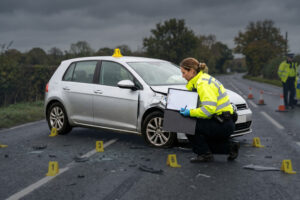
- Alcohol is consumed after a road traffic collision
- Alcohol is consumed before police arrive at the scene
In these circumstances, a driver may argue that they were not over the legal alcohol limit while driving, and that the alcohol level detected during testing resulted from post-incident drinking.
However, raising this defence does not automatically prevent prosecution. The court will examine the evidence closely to decide whether the explanation is credible.
The Law on Drink Driving in England and Wales
Drink driving offences are governed primarily by the Road Traffic Act 1988.
Under this legislation, it is an offence to:
- Drive or attempt to drive while above the prescribed alcohol limit
- Be in charge of a motor vehicle while over the limit
The prescribed limits in England and Wales are currently:
- 35 micrograms of alcohol per 100ml of breath
- 80 milligrams per 100ml of blood
- 107 milligrams per 100ml of urine
In drink driving cases, the prosecution may rely on the alcohol level shown in the evidential specimen.

How the Hip Flask Defence Works in Practice
The hip flask defence focuses on the timing of alcohol consumption.
If a driver can show that alcohol was consumed only after the driving was completed, it may be possible to challenge the prosecution case.
The court will consider whether the alcohol level detected during testing can realistically be explained by post-incident drinking.
Post-Incident Drinking
Post-incident drinking occurs when alcohol is consumed after:
- A collision
- Parking the vehicle
- Returning home
The key question is whether the alcohol detected during testing reflects alcohol consumed before driving, after driving, or both.
Alcohol Calculations
In many cases, expert evidence is required.
Forensic toxicologists may carry out calculations to estimate:
- Blood alcohol concentration at the time of driving
- Absorption rates
- Elimination rates
These calculations can be complex and must take into account:
- Body weight
- Alcohol strength
- Timing of drinks
- Food consumption
- Individual metabolism
Evidence Used in Hip Flask Defence Cases
Courts may rely on several types of evidence when assessing drink driving cases.
Breath Test Evidence
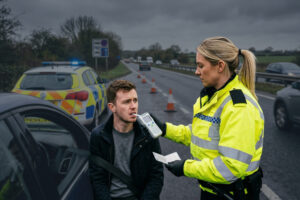
Roadside breath tests and evidential breath tests are often the first indication of alcohol levels.
Police powers to conduct breath tests are set out in legislation and explained by the Crown Prosecution Service guidance on drink driving offences.
Blood or Urine Samples
Where breath tests are not possible, or where another type of specimen is required, police may request blood or urine samples.
These samples are analysed to determine alcohol concentration at the time of testing.
Expert Toxicology Evidence
Where the hip flask defence is raised, expert forensic evidence may be necessary.
A toxicology expert may assess:
- Alcohol absorption timelines
- Blood alcohol levels at the time of driving
- Whether the driver could realistically have been under the limit while driving
Risks of Relying on the Hip Flask Defence
Although post-incident drinking is recognised in law, it is not easy to establish.
Courts will carefully scrutinise claims of post-incident drinking.
Potential difficulties include:
- Lack of supporting evidence
- Inconsistent statements
- Scientific calculations contradicting the defence
If the explanation is not accepted, the court may conclude that the driver was over the legal limit while driving.
Sentencing guidance for drink driving offences can be found through the Sentencing Council for England and Wales, which outlines penalties including driving disqualification, fines, and potential imprisonment.
Facing Legal Issue?
Speak to our Motoring Offences team for confidential advice on your position and next steps.
Strictly Confidential and No Obligation
How Defence Solicitors Challenge Drink Driving Evidence
Defending a drink driving allegation often requires detailed examination of the prosecution case.
A defence solicitor may consider:
- Whether police followed correct procedures
- Accuracy of breath testing equipment
- Timing of alcohol consumption
- Scientific alcohol calculations
- Reliability of witness evidence
Where post-incident drinking is alleged, expert evidence may be required to analyse whether the alcohol level detected could be explained by drinks consumed after driving.
Each case turns on its specific facts and evidence, which is why legal advice is important when facing an allegation of this nature.
Speak to a Criminal Defence Solicitor
Drink driving allegations can carry serious consequences, including disqualification from driving, financial penalties and possible imprisonment.
If you are facing an investigation or prosecution involving allegations of drink driving, obtaining advice from experienced criminal defence solicitors is essential. Early legal guidance can help ensure the evidence is properly assessed and that any available defence is carefully considered.
5 Key Takeaways
- The hip flask defence arises where alcohol was allegedly consumed after driving but before police testing.
- It is often referred to as post-incident drinking.
- The issue is whether the alcohol detected in breath, blood, or urine can be explained by alcohol consumed after driving.
- Expert alcohol calculations are often needed in these cases.
- The defence requires careful legal and forensic analysis.
Frequently Asked Questions
The hip flask defence is a legal argument that alcohol detected during police testing was consumed after driving, rather than before.
Yes. Courts recognise that alcohol may sometimes be consumed after driving. However, the defence must be supported by credible evidence.
Evidence may include witness statements, timing of alcohol consumption, and expert forensic analysis of blood alcohol levels.
No. Courts examine the evidence carefully and may reject the defence if it is not supported by credible evidence or scientific analysis.
Yes. If the prosecution case remains strong, or if the court rejects the post-incident drinking explanation, a conviction may still follow.
Yes. In some cases, forensic toxicologists provide expert analysis on alcohol absorption, elimination and likely alcohol levels at the time of driving.
Call us on 0333 009 6275. We are available to take your call 24 hours a day, 7 days a week.
You can also email us on enquiries@ashmanssolicitors.com or complete our Online Enquiry Form and we’ll be in touch soon.
Get in touch
We’ll respond within 15 minutes during office hours
Search our legal articles
Free expert guidance on criminal law, your rights, and what to expect at every stage.
Searching Legal Help Hub articles
Related insights and updates

Drunk in Charge vs Drink Driving UK: What’s the Legal Difference?

Failing to Provide a Specimen for Analysis – Legal Advice

Drink Driving and Drug Driving Penalties in the UK

Caught Drink Driving in the UK: What Happens Next?
Using a Mobile Phone While Driving in the UK: Law, Penalties and Legal Defence

Mobile Phone Driving Law in the UK: Rules, Penalties and Legal Defences

Totting Up Ban Explained: What Happens If You Reach 12 Penalty Points?

Taking Penalty Points for Someone Else: Is It Perverting the Course of Justice?

What Happens If Your Licence Is Revoked as a New Driver in the UK?
Motoring Offence Convictions in the UK: What You Need to Know

Common Motoring Law Myths in the UK Explained
Mobile Phone Driving Laws in the UK: Rules, Penalties and Legal Defences

How to Report a Road Traffic Accident in the UK

Failure to Stop After an Accident in the UK: Law, Penalties and Legal Defence
Fail to Produce Driving Documents: Offence, Penalties and Legal Defence
Drug Driving UK: Legal Limits, Penalties and Defences

Driving Without Insurance UK Penalties: Fines, Points and Court Consequences

Driving Whilst Disqualified in the UK: Penalties, Court Process and Legal Defences
Causing Death by Dangerous Driving in the UK: Law, Sentencing and Legal Defence