

Legal Help Hub
How Does County Lines Exploitation Affect Youth Crime Charges?






Introduction
In England and Wales, children who have been pressured, groomed or controlled by criminal gangs may be recognised as victims of exploitation, even when they have been arrested for drug-related offences.
However, being exploited does not automatically mean criminal charges will be dropped.
Police and prosecutors must consider the child’s circumstances, their level of involvement and whether the alleged offending was connected to exploitation.
This article explains how county lines exploitation affects youth crime charges, what protections may apply under the Modern Slavery Act 2015 and what parents or carers can do if a child is under investigation.
What Is County Lines Exploitation?
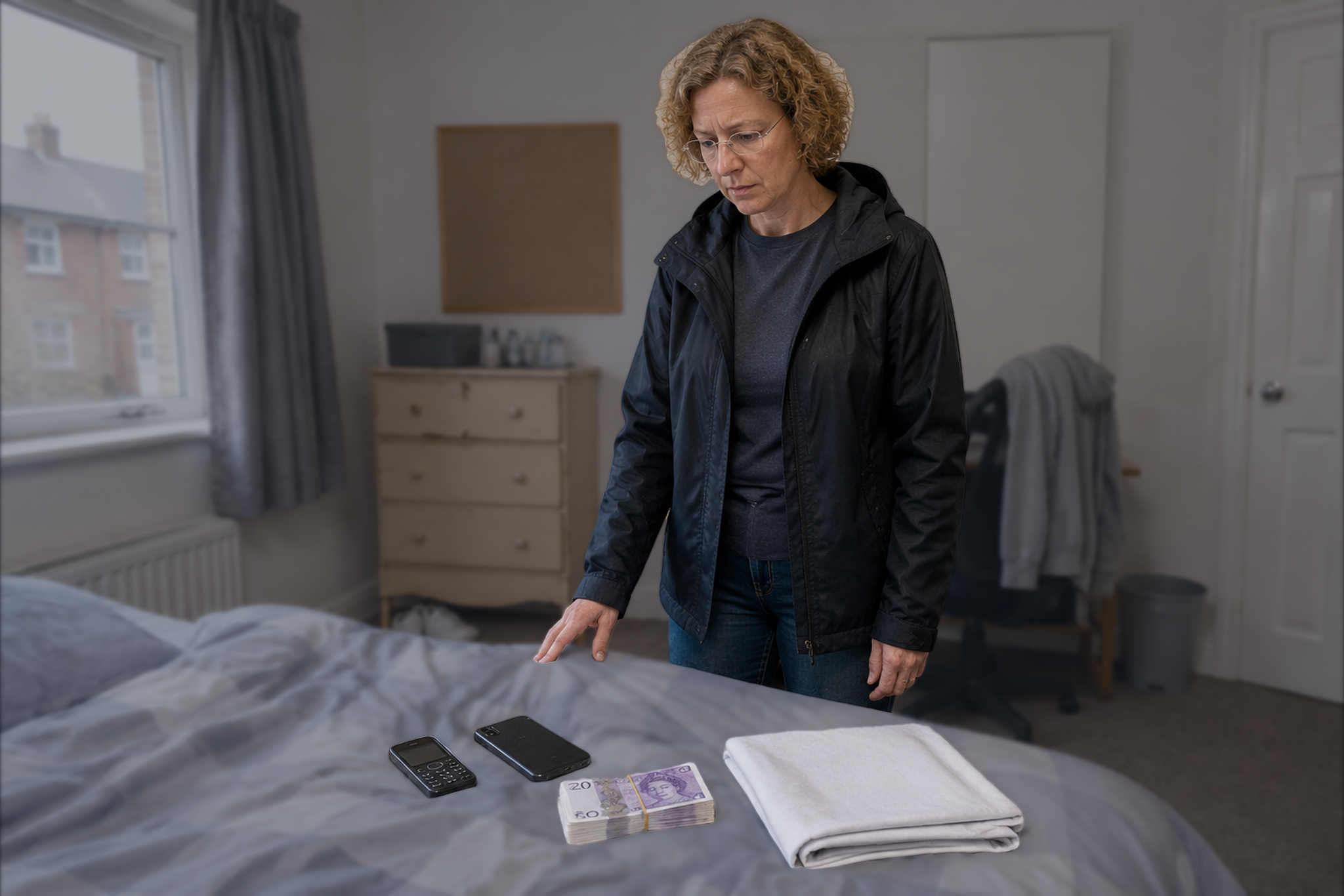
County lines is a form of organised drug dealing in which criminal networks move and sell drugs between different areas, often using dedicated mobile phone numbers to arrange sales.
These networks frequently target children and vulnerable adults to transport drugs, handle money or carry out other tasks.
The young person may initially be offered money, gifts or friendship before becoming increasingly involved.
Child criminal exploitation happens when someone takes advantage of a child’s vulnerability or a power imbalance to manipulate, pressure or control them into criminal activity.
This can involve threats, violence or intimidation, but exploitation is not always obvious.
Some children are groomed through friendships or relationships. Others may be encouraged to believe they are making money independently or gaining status within a group.
A child may even appear willing to participate while being manipulated or controlled.
The absence of physical force does not automatically mean a child has not been exploited.
County lines networks may also use debt, threats against family members or fear of punishment to prevent young people from leaving.
Some gangs take over the homes of vulnerable people and use them as bases for drug dealing. This practice is known as cuckooing.
Children involved in county lines may also experience trafficking, sexual exploitation or other forms of abuse.
These circumstances are important because a young person’s involvement in criminal activity may be directly connected to exploitation rather than a freely made decision.
Can a Child Be Both a Victim and a Suspect?
Yes. A child involved in county lines can be treated as both a victim of exploitation and a suspect or defendant in criminal proceedings at the same time.
The child may therefore need safeguarding support while also facing criminal proceedings.
Children’s level of agency in county lines operations varies considerably.
Some children are under near-total control, have been threatened or groomed over a long period, and have little or no meaningful choice about what they do.
Others may have a greater degree of agency, or may exploit younger or more vulnerable children as part of the same network.
This places children on a continuum rather than fixing them permanently as either innocent victims or knowing offenders.
In practice, professionals and agencies do not always identify and act on this distinction consistently.
Research and inspection reports have noted that some young people who have been formally identified as potential victims of modern slavery through the National Referral Mechanism continue to be charged by the CPS.
The existence of a safeguarding referral or a support plan does not automatically translate into a decision not to prosecute.
The dual status does not resolve itself without active legal engagement.
The same set of facts must be assessed from both angles: what happened, what degree of control existed, what the child knew and what choices were realistically available.
A solicitor experienced in youth crime and exploitation can ensure that this assessment is put before the right people, at the right stage of the process, with the evidence that supports it.
How Exploitation May Affect Charging Decisions
The evidential and public interest tests
The CPS applies a two-part test before deciding to charge anyone: whether the evidence is sufficient to provide a realistic prospect of conviction, and whether prosecution is in the public interest.
In county lines cases involving potentially exploited young people, the CPS follows a more specific four-step approach set out in its prosecution guidance.
The first step is to consider whether there is reason to believe the young person was a victim of human trafficking or modern slavery.
This does not require a formal NRM decision to have been made.
The second step is to assess whether a defence of duress is available on the facts.
Duress requires the defendant to have acted under an immediate threat of serious harm, and the courts have set clear conditions for when it applies.
The third step is to consider whether there is clear evidence that the statutory defence under the Modern Slavery Act 2015 would apply.
The fourth step, which applies even where no specific defence is available, is whether prosecution is in the public interest, having particular regard to the young person’s culpability in light of any exploitation they experienced.
When exploitation may weigh against prosecution
There is a strong emphasis on diverting children away from criminal prosecution where appropriate.
If a young person was groomed or controlled by a county lines network, their circumstances may reduce their responsibility for the alleged offending.
For example, a child threatened with violence unless they transported drugs may be in a different position from someone who independently organised drug dealing.
However, exploitation does not automatically mean the CPS will decide against prosecution.
The seriousness of the offence, the child’s involvement and the evidence of exploitation must all be considered.
Even where a specific legal defence is unavailable, prosecutors should still assess whether pursuing charges is in the public interest.
A solicitor can help identify evidence of exploitation and ensure that it is considered before a charging decision is made.
The Modern Slavery Defence and Its Limits
What section 45 provides
The Modern Slavery Act 2015 provides a legal defence for certain people who commit offences because they have been subjected to slavery or relevant exploitation.
The defence can apply in some county lines cases where a young person was exploited into criminal activity.
For example, a child who transported drugs after being groomed or controlled by a criminal network may have grounds to rely on this defence.
However, it is not available automatically.
The court must consider the circumstances and whether the legal requirements are met.
The child-specific test
The law recognises that children may be especially vulnerable to manipulation and control.
For defendants under 18 at the time of the alleged offence, the modern slavery defence has different requirements from those applying to adults.
A child does not have to prove that they were forced or compelled to commit the offence.
However, the offending must have been a direct consequence of the exploitation.
The court must also consider whether a reasonable person of the child’s age and relevant characteristics, facing the same circumstances, would have acted in the same way.
For example, a teenager who was groomed, threatened or placed under the control of older gang members may have experienced pressures that affected their ability to make independent decisions.
These circumstances are relevant when assessing whether the defence applies.
A solicitor can examine the evidence and explain whether the legal requirements may be satisfied.
Excluded offences
The modern slavery defence does not apply to every criminal offence.
Certain serious offences are excluded, including murder, manslaughter and some sexual and weapons offences.
Whether a particular charge is excluded depends on the offence involved.
For example, a child accused of carrying drugs may be in a different legal position from someone facing a serious violence charge.
A solicitor must examine the exact allegation before advising whether the defence is available.
Even where the defence cannot be used, exploitation may still be relevant to the decision to prosecute or to sentencing.
Limits on the defence
A positive decision by the National Referral Mechanism that a young person is a potential or confirmed victim of modern slavery does not automatically establish a defence.
The NRM and the criminal court are separate processes operating under different standards.
A positive NRM outcome is relevant evidence that can be placed before the court, but the defence must still be raised in the criminal proceedings and assessed by the court on the criminal standard.
Section 45 is one potential route. Where the facts support it, duress may be argued as a separate common law defence.
Other arguments, including those going to mens rea or the voluntariness of the act, may also be relevant.
The question of which arguments are available depends entirely on the specific facts, the charges and the evidence.
A solicitor needs to assess this in full before any court appearance.

What the National Referral Mechanism Does
How referrals are made
The National Referral Mechanism is the government framework for identifying and referring potential victims of modern slavery and human trafficking.
It is a safeguarding and identification process, not a criminal one.
For children, referrals are made by organisations designated as first responders, which currently include the police, local authorities, certain government departments and several approved charities.
Parents, carers and solicitors cannot make a direct NRM referral themselves, but they can ask a first responder to make one.
If a police officer or social worker is already involved with the child, they can be asked whether an NRM referral has been made and, if not, why not.
A solicitor acting for the young person can raise this with the relevant agencies.
What a positive decision means in practice
There are two stages to an NRM decision.
A Reasonable Grounds decision means the decision-maker believes there are reasonable grounds to think the person may be a victim of modern slavery.
This is a lower threshold, designed to trigger initial support and protection.
A Conclusive Grounds decision is reached after a fuller investigation and represents a higher level of confidence that the person is a victim.
A positive NRM decision is relevant evidence in criminal proceedings involving county lines charges.
It can be disclosed to the CPS at the charging stage and placed before the court during any trial or sentencing hearing.
However, it does not bind the court and does not automatically stop a prosecution.
The criminal court makes its own assessment of the facts and the law.
A child can receive a positive Conclusive Grounds decision from the NRM and still be convicted of a criminal offence if the defence or other arguments are not established to the court’s satisfaction.
Families who assume that a positive trafficking decision ends the criminal case may not prepare adequately for the proceedings that continue alongside the NRM process.
Understanding this distinction is important from the outset.
Evidence That May Help Establish Exploitation
A safety note first
Families must not confront suspected exploiters or take any action that could place the child or themselves at risk of harm.
County lines operations are run by organised criminal networks, and intervention by family members can have serious consequences.
The child’s immediate safety is the priority.
If there is any risk of ongoing harm, contact the police or local safeguarding services before doing anything else. Evidence gathering is secondary to safety in every case.
Types of evidence relevant to county lines exploitation
Mobile phone messages already lawfully accessible to the family may contain communications showing contact from exploiters, instructions to transport drugs, threats, coercive demands or inducements.
If a child’s phone has been seized by the police, those messages may become part of the prosecution’s evidence.
A solicitor can consider whether and how they also support the defence case.
Records of changes in behaviour, school attendance, relationships or appearance that coincide with the period of alleged offending can be relevant.
School records may already document unexplained absences or welfare concerns.
If a school or college has raised safeguarding concerns at any point, those records should be preserved and provided to the solicitor.
Medical records, social services records and any existing local authority assessments may contain documentation of earlier concerns.
If a child protection plan was in place, or if the child has been the subject of any safeguarding referral, those records are potentially relevant to the criminal proceedings.
The solicitor can seek disclosure of relevant material.
Evidence of control or coercion may also include records of financial transactions showing the child did not retain the proceeds of drug sales.
Evidence of the child being moved between locations against their will, witness accounts from other family members who observed concerning behaviour, and any communications showing the child was threatened.
Each piece of evidence needs to be assessed by a solicitor for how it fits into the overall defence.
The police and CPS also hold evidence gathered during their own investigation.
A solicitor acting for the young person is entitled to seek disclosure of material that may assist the defence case, including evidence gathered about the county lines network that exploited the child.
Facing Legal Issue?
Speak to one of our Youth Crime Defence Specialists for confidential advice on your position and next steps.
Strictly Confidential and No Obligation
Penalties and Youth Sentencing Where Exploitation Is Relevant
Young people involved in county lines may face charges including drug possession, possession with intent to supply, drug supply or conspiracy to supply controlled drugs.
Some cases may also involve weapons offences, robbery or other allegations.
The possible sentence depends on the offence, the child’s age and the circumstances.
Children under 18 are generally dealt with through the youth justice system, which places particular importance on rehabilitation and preventing further offending.
The court must also consider the child’s welfare.
For example, a teenager who was groomed into carrying drugs may need support to address the exploitation and reduce the risk of becoming involved again.
Youth courts have several sentencing options.
These may include referral orders, youth rehabilitation orders and, for more serious cases, custodial sentences.
The most serious cases may be dealt with in the Crown Court.
However, custody should be a last resort when sentencing children and young people.
Courts must consider whether another sentence would be appropriate.
Where exploitation is relevant, the court should examine how the child’s circumstances affected their involvement.
For example, a young person acting under threats or manipulation may have had less control over their actions than someone directing a drug supply operation.
The court may also consider the child’s maturity, upbringing, mental health, education and support needs.
Evidence of exploitation can affect the assessment of responsibility and the appropriate sentence.
However, it does not guarantee that a custodial sentence will be avoided.
The outcome depends on the offence, the evidence and the child’s individual circumstances.
A solicitor can help present relevant exploitation and safeguarding evidence during sentencing.
The Role of a Youth Crime Solicitor
If your child has been arrested, interviewed or charged in connection with county lines activity, seek advice from a solicitor experienced in youth crime.
Early legal advice can help ensure that possible exploitation is identified and considered from the beginning.
A solicitor can assess whether these circumstances may affect the charging decision or provide grounds for a legal defence.
They can advise your child before and during police questioning and explain the allegations.
Where appropriate, they can also raise evidence of exploitation with police and prosecutors before charges are brought.
A youth crime solicitor can consider whether the modern slavery defence applies and whether a referral through the National Referral Mechanism should be made.
If criminal proceedings continue, they can represent your child in court and help ensure that relevant safeguarding and exploitation evidence is presented.
Parents and carers can provide important information, particularly where they have noticed changes in behaviour or have concerns about threats and manipulation.
However, they should not attempt to manage the criminal case or approach suspected exploiters themselves.
Ashmans Solicitors advises individuals and families facing criminal investigations, including youth crime allegations involving drug offences and exploitation.
If your child has been drawn into county lines activity, our criminal defence team can review the circumstances, explain the available options and advise on the next steps.
Speak to our youth crime team for advice about your child’s position and how the criminal proceedings may be affected by evidence of exploitation.
5 Key Takeaways
- A child involved in county lines may be both a victim of exploitation and a criminal suspect.
- Exploitation can affect CPS charging decisions, available defences and sentencing, but does not automatically prevent prosecution.
- The Modern Slavery Act offers a defence for certain offences, with specific protections for children under 18.
- A positive National Referral Mechanism decision supports an exploitation claim but does not automatically end criminal proceedings.
- Early legal advice can help protect your child’s rights and ensure evidence of exploitation is properly considered.
Frequently Asked Questions
County lines is an organised drug supply model. Child criminal exploitation occurs when someone manipulates or controls a child into criminal activity, including county lines.
Yes. However, prosecutors must consider evidence of exploitation, and a modern slavery defence may be available depending on the offence and circumstances.
No. An NRM referral or positive decision does not automatically stop prosecution, although it may provide important evidence of exploitation.
It can protect certain exploited people from conviction for offences linked to their exploitation. Children have a different legal test, and some offences are excluded.
Possible sentences include referral orders, youth rehabilitation orders and custody for serious offences. Courts must consider exploitation and treat custody as a last resort.
Prioritise your child’s safety and contact police or children’s safeguarding services. If criminal allegations are involved, seek advice from a youth crime solicitor.
Call us on 0333 009 6275. We are available to take your call 24 hours a day, 7 days a week.
You can also email us on enquiries@ashmanssolicitors.com or complete our Online Enquiry Form and we’ll be in touch soon.
 Imran Ali
Get in touch
We’ll respond within 15 minutes during office hours
Search our legal articles
Free expert guidance on criminal law, your rights, and what to expect at every stage.
Searching Legal Help Hub articles
Related insights and updates

Does a Youth Conviction Stay on My Child’s Record?

Christmas Holidays, Group Chats and Knife Images: Why Police Contact Parents in January

Can a Child Be Tried in the Crown Court? Grave Crimes and Joint Trials With Adults

Can a Child Under 18 Go to Prison in England and Wales?

Halloween, Mischief Night and Your Child: Fireworks, Eggs and Criminal Damage Explained

How Do Solicitors Defend Rape Cases?

How Does County Lines Exploitation Affect Youth Crime Charges?

How Do Police Prove Intent to Supply Drugs?

How Criminal Charges Affect Professional Licences and Regulated Careers

Arrested for Working Under Someone Else’s Identity Documents: What Will Happen to You?

Community Remittance Cash Seized & Money Laundering Investigation: What to Do in England and Wales

Arrested for Spending Counterfeit Notes You Did Not Know Were Fake: What Happens Next?

Was I Working in a Pension Scam Call Centre? Do I Face Criminal Charges?

Firearms Offences in England & Wales: Charges, Minimum Sentences & Defences

How Sexual Allegations Are Investigated in England & Wales: The Process and Your Rights

First-Time Offender Charged With Assault: Will I Go to Prison?

Fraud by Abuse of Position: Employees, Carers and Directors Accused of Misusing Trust

Insider Dealing: Selling Shares Before Company Results

Used Card Details from an Online Telegram Group & Been Arrested: How Much Trouble Are You In?