Legal Help Hub
Drug Driving Blood Tests: How Accurate Are They & Can the Result Be Challenged?



Introduction
A drug driving blood test result in England and Wales is not automatically conclusive. Although forensic testing is generally reliable, errors in sample collection, storage or laboratory analysis may provide grounds for challenging the evidence.
There are two main drug driving offences: driving while unfit through drugs and driving with a specified drug above its legal limit. The first requires proof of impairment, while the second does not.
For the specified-limits offence, the blood test is central to the prosecution’s case. Understanding how it works and what may affect its reliability can help you assess your legal position.
How Drug Driving Blood Tests Work
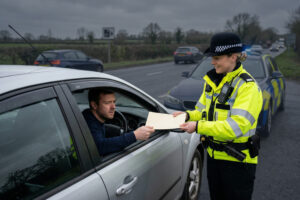
Roadside screening helps police identify whether a driver may have taken drugs. A blood sample is then used to establish whether a specified drug exceeds its legal limit.
Seventeen drugs are listed in the relevant regulations, each with its own threshold.
Very low limits apply to several illegal drugs. For example, cannabis has a limit of 2 micrograms per litre of blood, while cocaine has a limit of 10 micrograms per litre.
Higher limits apply to some prescription medicines, including diazepam and temazepam. A statutory medical defence may also apply where prescribed medication was taken in accordance with medical advice.
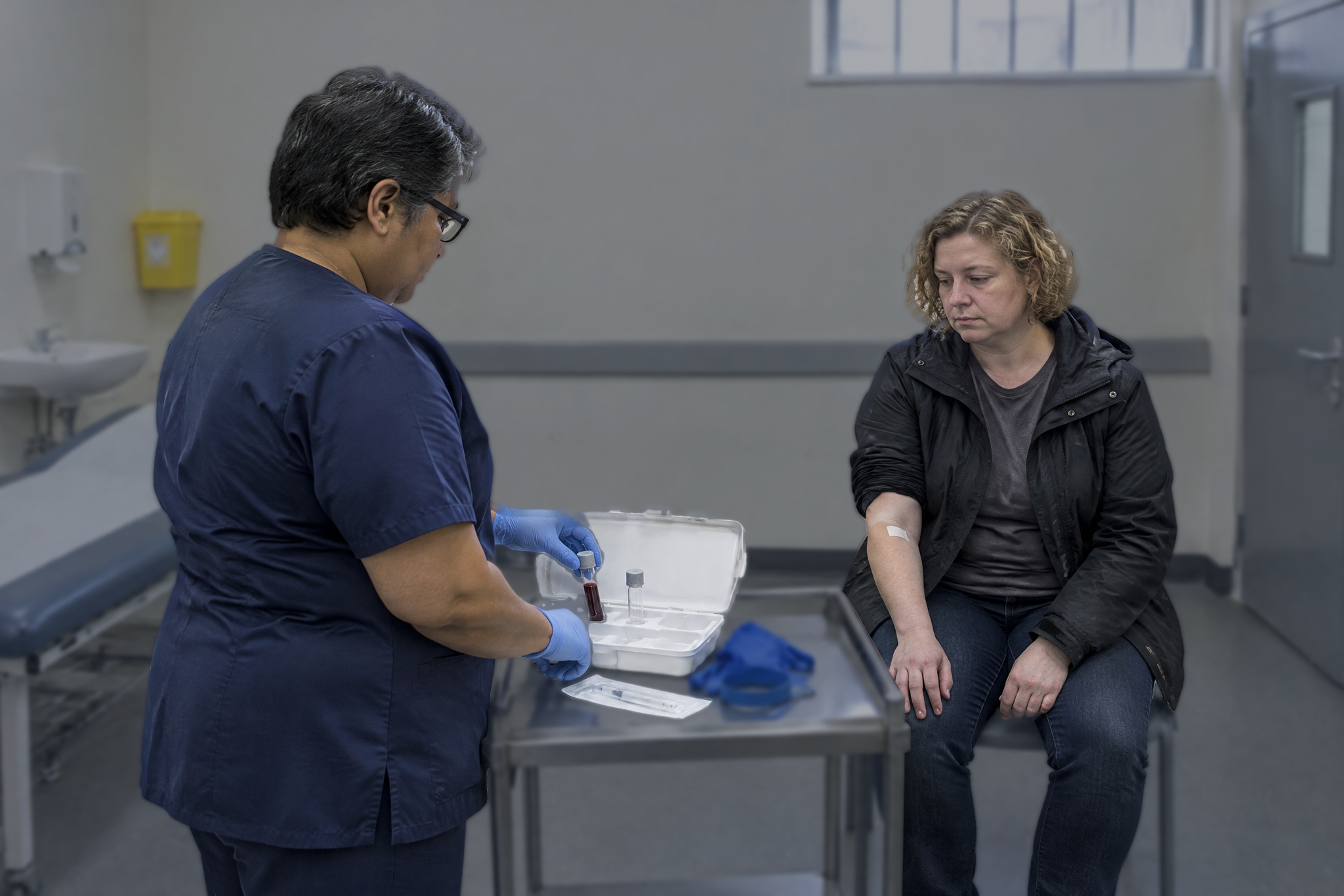
After arrest, an appropriately qualified healthcare professional takes the blood sample. It is divided, allowing the driver to request a portion for independent testing.
The prosecution’s portion is sent to a forensic laboratory, where the concentration of any specified drug is measured.
Roadside Screening vs Evidential Blood Tests
A roadside drug test is a preliminary screening tool. Approved devices generally screen for cannabis and cocaine, but they do not establish the concentration of either drug in the blood.
A positive result may provide grounds for arrest and further testing. However, the laboratory blood result provides the main evidence for a specified-limits prosecution.
This distinction matters when challenging the evidence. Questioning the roadside result alone may not undermine a case supported by a properly collected and analysed blood sample.
How Accurate Are Drug Driving Blood Test Results?
Forensic laboratories must follow strict testing and quality standards, including relevant accreditation requirements and the Forensic Science Regulator’s Code of Practice.
However, several factors can affect a result:
- Sample handling: Incorrect labelling or gaps in the chain of custody may raise doubts about the sample’s identity.
- Storage conditions: Delays or unsuitable temperatures can affect the stability of certain drugs in blood.
- Laboratory errors: Problems with equipment calibration, analytical methods or quality controls may affect accuracy.
- Measurement uncertainty: Every laboratory measurement has a recognised margin of uncertainty.
Measurement uncertainty is particularly important where the reported drug concentration is close to the legal limit.
For example, a borderline result may require closer examination to establish whether the prosecution can prove that the threshold was exceeded.
These issues do not automatically invalidate a blood test. A forensic expert must assess whether a particular problem could have affected the result.
When Can a Drug Driving Result Be
Challenged?
A drug driving result may be challenged where there are genuine concerns about how the sample was collected, handled or analysed.
A solicitor may examine whether the correct collection procedures were followed, whether the sample was properly identified and whether laboratory records support the reported concentration.
The main evidence includes custody records, medical notes, sample continuity documents and the laboratory’s certificate of analysis.
Where necessary, an independent expert can review the testing methods, measurement uncertainty and relevant quality control records.

Independent Blood Testing
Drivers can request a portion of the divided blood sample for independent analysis.
An accredited forensic laboratory can test the retained sample and provide a separate concentration measurement. This may be useful where the prosecution’s result is close to the legal limit or there are concerns about the original analysis.
Timing matters because drugs and their metabolites can degrade during storage. Delaying independent testing may make the results less useful.
If you have retained a sample, seek legal advice promptly about suitable storage and whether independent analysis is appropriate.
A second result does not automatically overturn the prosecution’s evidence. Any differences must be assessed by a forensic expert.
Facing Legal Issue?
Speak to one of our Motoring Offences Defence Specialists for confidential advice on your position and next steps.
Strictly Confidential and No Obligation
Penalties for Drug Driving
Drug driving is a criminal offence normally dealt with in the magistrates’ court.
The maximum penalty for the specified-limits or impairment offence is six months’ imprisonment, an unlimited fine or both.
A conviction also normally carries a mandatory driving disqualification of at least 12 months.
Where the driver has a qualifying previous drink or drug driving conviction within ten years, the minimum ban increases to three years.
The court considers the circumstances of the offence, including the drug concentration, driving behaviour, previous convictions and any aggravating or mitigating factors.
In limited cases, special reasons connected to the offence may justify a shorter disqualification or no ban.
A conviction may also affect employment, insurance and travel to certain countries.
How a Solicitor Can Help with a Drug Driving Case
A specialist motoring defence solicitor can review the full body of evidence in a drug driving case from the outset: the custody record, the medical notes, the certificate of analysis, the continuity documents and any available information about the laboratory’s accreditation and quality controls.
This review identifies whether there are procedural or scientific issues worth pursuing and informs advice on the realistic strength of any potential challenge to the drug driving evidence.
Where a retained sample exists, a solicitor can advise on the urgency of commissioning independent analysis and arrange for it to be carried out by a suitably accredited forensic laboratory.
Where measurement uncertainty is potentially relevant to the drug driving charge, the solicitor can instruct a defence expert to examine the prosecution’s analytical data and produce a report that can be used at trial or in discussions with the prosecution.
Early advice matters in drug driving cases
The window for independent analysis is finite, some procedural challenges require prompt action before evidence is lost, and decisions about plea and trial strategy are better made with a full understanding of the evidence rather than after it has been formally served.
Speak to our Motoring Offences solicitors for advice about your drug driving position and next steps.
5 Key Takeaways
- Drug driving blood tests can be challenged where genuine procedural or scientific concerns affect the evidence.
- The specified-limits offence does not require proof of impairment, although a statutory medical defence may apply.
- Measurement uncertainty may be important where the reported concentration is close to the legal limit.
- Independent blood testing is available, but prompt action is important because samples can deteriorate.
- Drug driving normally carries a minimum 12-month ban, increasing to three years for certain repeat offences.
Frequently Asked Questions
Yes. Errors in sample collection, storage or laboratory analysis can affect results. However, a forensic expert must assess whether an identified problem is significant.
Measurement uncertainty reflects the limits of laboratory testing. It may affect a borderline result where the reported concentration is close to the legal limit.
Yes. You can request a portion of the divided blood sample for independent analysis. Testing should be arranged promptly because the sample may deteriorate.
Procedural errors may affect the evidence, but not every mistake invalidates a result. A solicitor can assess whether the error has legal significance.
Yes. The specified-limits offence does not require proof of impairment. However, a statutory medical defence may apply to prescribed medication taken correctly.
The usual minimum is 12 months. It increases to three years where a qualifying previous drink or drug driving conviction occurred within ten years.
The roadside test is a preliminary screening tool. The laboratory blood result provides the main evidence of whether a specified drug exceeded its legal limit.
A drug driving endorsement normally remains on your driving record for 11 years from the date of conviction. Criminal record disclosure follows separate rules.
Call us on 0333 009 6275. We are available to take your call 24 hours a day, 7 days a week.
You can also email us on enquiries@ashmanssolicitors.com or complete our Online Enquiry Form and we’ll be in touch soon.
Get in touch
We’ll respond within 15 minutes during office hours
Search our legal articles
Free expert guidance on criminal law, your rights, and what to expect at every stage.
Searching Legal Help Hub articles
Related insights and updates

Drink Driving the Morning After: How Long Alcohol Stays in Your System & the Law

Causing Death by Careless Driving: How It Differs from Dangerous Driving & What Sentence to Expect

Careless Driving vs Dangerous Driving: What Is the Difference and Why Does It Matter?

Can I Reopen old Conviction from Two Years Ago If I Knew Nothing About It?

Drunk in Charge vs Drink Driving UK: What’s the Legal Difference?

Failing to Provide a Specimen for Analysis – Legal Advice

Drink Driving and Drug Driving Penalties in the UK
Caught Drink Driving in the UK: What Happens Next?
Using a Mobile Phone While Driving in the UK: Law, Penalties and Legal Defence

Mobile Phone Driving Law in the UK: Rules, Penalties and Legal Defences

Totting Up Ban Explained: What Happens If You Reach 12 Penalty Points?

Taking Penalty Points for Someone Else: Is It Perverting the Course of Justice?

What Happens If Your Licence Is Revoked as a New Driver in the UK?
Motoring Offence Convictions in the UK: What You Need to Know

Common Motoring Law Myths in the UK Explained
Mobile Phone Driving Laws in the UK: Rules, Penalties and Legal Defences

How to Report a Road Traffic Accident in the UK

Hip Flask Defence in Drink Driving Cases

Failure to Stop After an Accident in the UK: Law, Penalties and Legal Defence