Legal Help Hub
New Year’s Eve Drug Arrests: What Police Look For and Your Rights






Introduction
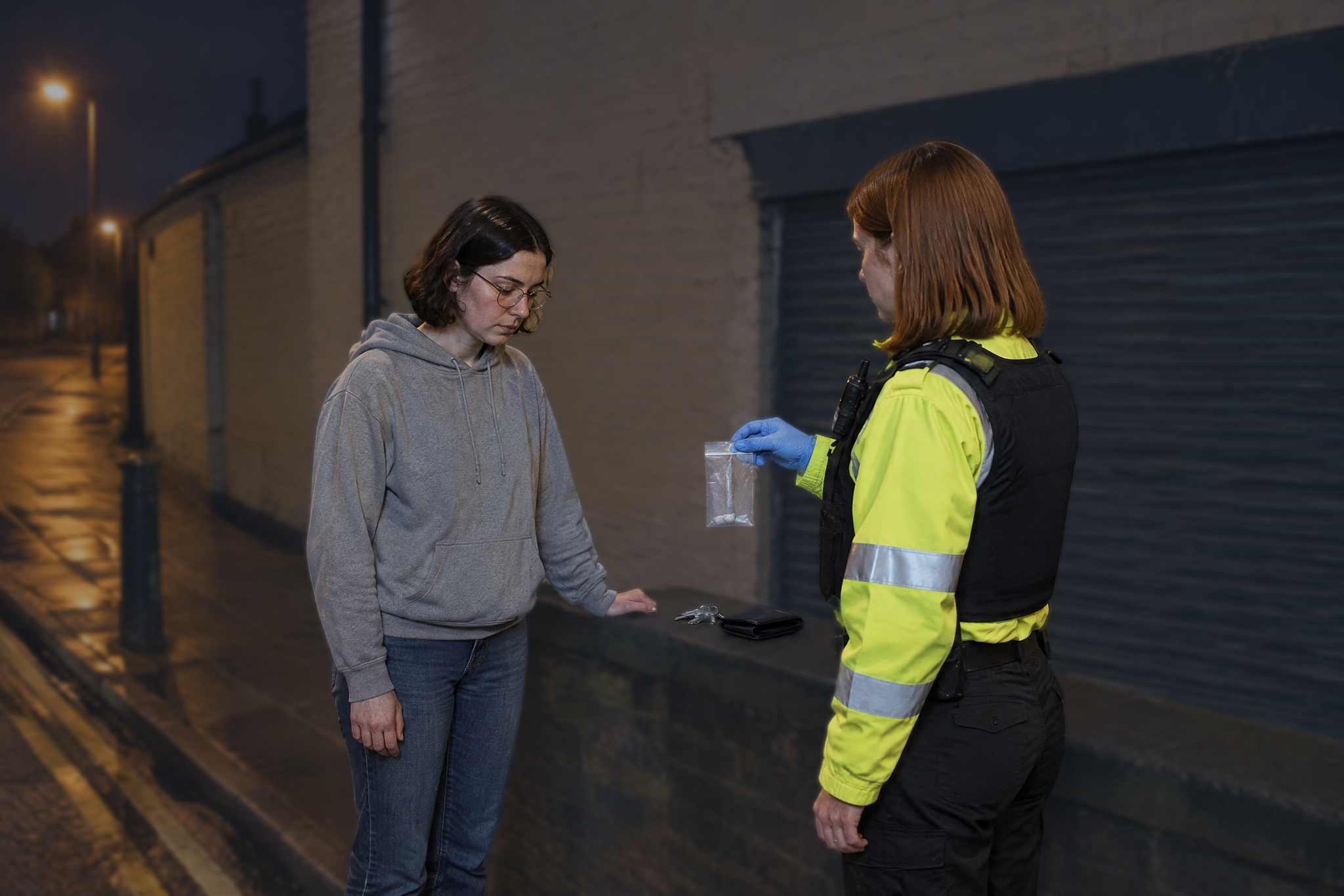
New Year’s Eve celebrations often involve busy streets, parties and nightlife venues where police may be carrying out checks. Although officers may be more visible during these events, their legal powers are the same as on any other night.
This article explains when police can search you for drugs, what happens if drugs are found, your rights following arrest and the possible consequences of a drug offence in England and Wales.
When Police Can Stop and Search for Drugs
Police have powers to stop and search people they reasonably suspect of carrying illegal drugs.
The Misuse of Drugs Act 1971 gives officers the main power to search for controlled substances. The Police and Criminal Evidence Act 1984 (PACE) also provides search powers for certain other items, including weapons and stolen property.
In most cases, officers must have reasonable grounds for suspicion before searching.
Being out late on New Year’s Eve, attending a party or standing in a crowded area does not, by itself, justify a drug search.
The main search powers
Under the Misuse of Drugs Act, police can stop and search any person in a public place where there are reasonable grounds to suspect they are carrying a controlled drug. Officers may also search a vehicle in a public place for prohibited articles, a category that includes drugs.
Officers must follow the relevant rules governing how searches are conducted.
There are also separate powers that permit searches without individual suspicion in a defined authorised area, declared in connection with anticipated serious violence.
This is not a routine drug search power, and its use requires authorisation from a senior officer.
What counts as reasonable suspicion
Reasonable suspicion must be based on objective information, observed behaviour or verified intelligence. It cannot be based on a person’s appearance, ethnicity or any other protected characteristic.
A hunch, the fact that someone is part of a crowd, or the time of year is not a lawful basis for a search.
A search is not an arrest
Being stopped and searched does not mean you are under arrest.
An officer may briefly detain a person to search, but that detention ends when the search is complete unless further grounds arise.
Remaining calm and not physically obstructing the search is the practical step at this stage.
Your Rights During a Stop and Search
Before an officer searches you, they are required to give you specific information. Knowing what that information is helps you recognise whether the search is being conducted lawfully.
What the officer must tell you before searching
Before searching you, an officer must provide certain information.
This includes their identity and police station, the legal power being used, the grounds for the search and what they are looking for.
If the officer is not in uniform, they must also provide appropriate identification.
You should also be told that you are being detained for the search and that you are entitled to a record of it.
Police should provide this information before the search begins, unless an applicable exception affects how particular information is given.
What you can ask and record
You are entitled to ask which power is being used and why. You can request and keep a copy of the search record. You may calmly ask for the officer’s name and station.
You are not required to answer questions during the search itself, though you should seek legal advice if you are uncertain whether a specific statutory power requires you to provide your name in a given situation.
Outer clothing and intimate searches
An officer may ask you to remove outer clothing such as a coat or jacket in public. The removal of anything beyond outer clothing must take place out of public view and must be carried out by an officer of the same sex.
An intimate search requires separate authorisation and cannot take place on the street under any circumstances.
If the officer fails to follow the rules
A failure to provide the required information before searching may amount to a breach of Code A.
Evidence obtained as a result of an unlawful search may be challenged under PACE 1984 at any subsequent proceedings.
Record what was or was not said as soon as possible after the encounter, while the details are fresh.
Children and vulnerable people
Additional safeguards apply where police search a child under 18 or a vulnerable adult.
For example, an appropriate adult is normally required for a strip search that exposes intimate parts of the body, subject to limited exceptions.
If a child or vulnerable person is subsequently arrested or interviewed under caution, further safeguards apply.
These protections are intended to help ensure that the individual understands what is happening and that their rights are respected.
What Happens if Drugs Are Found?
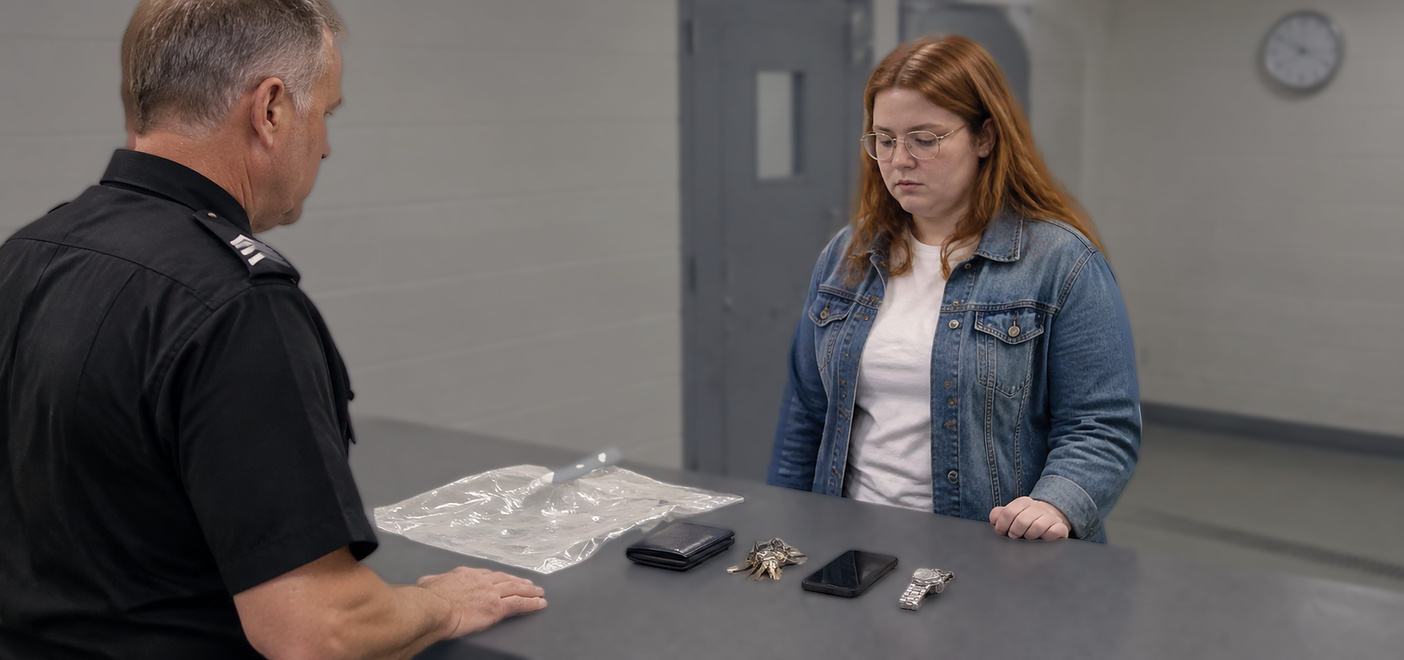
Finding drugs during a search does not automatically mean you will be arrested or charged. The outcome depends on the substance, the quantity, the surrounding circumstances and any previous offences.
Police may seize the suspected drugs and decide whether further investigation is needed.
The officer’s options when drugs are discovered
For certain lower-level drug possession offences, police may consider an out-of-court outcome rather than prosecution.
For example, a small amount of cannabis may result in a warning or another appropriate disposal, depending on the circumstances and local procedures. However, this is not guaranteed, even if you have never been in trouble with the police before.
Where the evidence suggests a more serious offence, such as possession with intent to supply, arrest and further investigation may be more likely.
The necessity test for arrest
Police must have lawful grounds to arrest you. Under PACE, an officer must reasonably suspect that you are involved in an offence and have reasonable grounds to believe that arrest is necessary.
For example, arrest may be necessary to establish your identity, prevent you from leaving before essential enquiries can be made or allow officers to investigate promptly and effectively.
The officer must be able to justify the decision. If you believe you were arrested without proper grounds, a solicitor can examine whether the arrest was lawful.
What happens to the drugs
Seized items are recorded and may be sent for forensic analysis to confirm the substance and quantity. The result of that analysis will form part of the prosecution evidence if a charge follows.
The analysis can take days or weeks, which is one reason why release under investigation is a common outcome before any charging decision is made.
What Happens After a Drug Arrest?
Once you have been arrested on drug charges, the process moves to the police station.
Understanding what happens there helps you make informed decisions at each step.
Arrival at the police station
After a drug arrest, you will be taken to a police station and presented to the custody officer. The custody officer is independent of the investigating officer and must decide whether to authorise your detention.
Your rights will be read to you at this point. These include the right to have someone informed of your arrest, the right to free independent legal advice and the right to consult the Codes of Practice.
Detention and time limits
In most cases, police can detain you for up to 24 hours before charging or releasing you. For serious offences, detention may be extended to 36 hours with the necessary authorisation.
A Magistrates’ Court may authorise further detention, up to a total of 96 hours in the relevant circumstances. These longer periods are not routine for ordinary possession cases.
Throughout your detention, police must follow the rules governing custody and review whether continued detention is necessary.
Outcomes short of charge
After interview, the custody officer may release you without charge, release you under investigation, issue a caution or refer the matter to the Crown Prosecution Service (CPS) for a charging decision.
A caution requires an admission of guilt and has its own consequences, including potential disclosure in future criminal record checks. Accepting a caution without first taking legal advice carries real risk.
Out-of-court disposals for drug possession include cannabis warnings, penalty notices and conditional cautions.
None is guaranteed, and all depend on the circumstances, the substance involved and the discretion of the officer or decision maker.
A first-time drug arrest does not automatically lead to an out-of-court disposal. Prior history, the drug involved and the surrounding evidence all affect what outcome is offered.
Legal Advice Before a Police Interview
If you have been arrested for a drug offence, understanding your position before answering police questions is important. What you say during an interview may later be used as evidence.
A solicitor can explain the allegation, advise on your rights and help you decide how to respond.
The right to free legal advice
If you are held at a police station, you have the right to legal advice.
You may request a solicitor before being interviewed and, subject to limited legal exceptions, have legal advice available during questioning.
This helps ensure that you understand the allegation and the possible consequences of your answers.
Why legal advice before interview matters
A solicitor can review the evidence the police hold, advise on the strength of the case and help you understand the questions likely to be asked.
They can advise whether giving a prepared statement, answering questions selectively or making no comment is the appropriate course in your specific circumstances.
No single approach suits every situation.
The right course depends on the individual facts of the case, the evidence the police have and the offence under investigation. What matters is understanding your position before you speak.
The caution and its meaning
Before questioning you under caution, police will explain that you do not have to answer questions, but remaining silent may have consequences in certain circumstances.
If you later rely on something in court that you did not mention when questioned, the court may sometimes take that into account. Anything you do say during the interview may also be used in evidence.
This is why it is important to understand your rights and obtain advice before deciding how to respond.
Appropriate adults in interview
If you are under 18 or are a vulnerable adult, additional safeguards apply during a police interview.
An appropriate adult must normally be involved to help protect your interests and ensure you understand the process. An appropriate adult is not a solicitor and cannot provide legal advice.
Where both safeguards apply, they serve different purposes and should not be treated as interchangeable.
Facing Legal Issue?
Speak to one of our Drugs and Conspiracy Defence Specialists for confidential advice on your position and next steps.
Strictly Confidential and No Obligation
Possession and Suspected Supply: The Difference
The distinction between possessing drugs for personal use and possessing them with intent to supply is important. The offences carry different maximum penalties, and the evidence needed to establish them is not the same.
What the law says about possession
Drug possession generally involves having a controlled substance in your possession without lawful authority. The prosecution must establish the relevant elements of the offence.
Questions about whether you knew the drugs were present or understood the nature of the substance may be relevant to your defence.
For example, where someone genuinely did not know they were carrying a controlled drug, the circumstances may require closer examination.
However, claiming that the drugs were not yours does not automatically provide a defence.
A solicitor can assess what you knew, how the substance came into your possession and what the available evidence shows.
What raises suspicion of supply
Police may suspect possession with intent to supply where the circumstances suggest that drugs were intended for distribution rather than personal use.
Relevant evidence may include the quantity found, separate packaging, weighing scales, cash or messages suggesting drug transactions. The presence of these items does not automatically prove supply.
For example, a large quantity of drugs does not necessarily establish an intention to sell them. Equally, a smaller quantity may be connected with other evidence indicating supply.
Police and prosecutors must consider the evidence as a whole.
Why the distinction matters for outcome
Possession and possession with intent to supply carry significantly different maximum penalties and sentencing ranges.
The classification of the drug also affects both the available powers at the point of search and the likely sentence if convicted.
Getting this analysis right at the earliest stage of a drug arrest can affect the entire course of the case.
Penalties and Sentencing for Drug Offences
The possible sentence for a drug offence depends on the class of the substance, the nature of the offence and the circumstances.
The Misuse of Drugs Act 1971 divides controlled drugs into Classes A, B and C.
Drug classification and maximum penalties
Class A drugs include cocaine, heroin and MDMA. Class B drugs include cannabis, ketamine and amphetamines. Class C drugs include certain benzodiazepines and anabolic steroids.
The maximum penalties for ordinary possession are:
- Class A: Up to seven years’ imprisonment, an unlimited fine or both.
- Class B: Up to five years’ imprisonment, an unlimited fine or both.
- Class C: Up to two years’ imprisonment, an unlimited fine or both, although exceptions apply to some substances, including personal possession of anabolic steroids.
For possession with intent to supply, the maximum sentence is life imprisonment for Class A drugs and 14 years for Classes B and C.
These are maximum penalties, not the sentence everyone convicted will receive.
How sentencing guidelines work in practice
The Sentencing Council publishes guidelines for drug offences that courts in England and Wales are required to follow. The guidelines assess culpability and harm separately.
For possession offences, culpability considers factors such as whether the defendant is a vulnerable user and the degree of planning involved.
Harm is assessed by reference to quantity and drug type.
The guideline starting points and ranges for possession are significantly lower than the statutory maximums.
Aggravating and mitigating factors
Factors that may increase a sentence include a previous criminal record, offending while on bail, involvement of a vulnerable person or a child, and offending in a public place or near licensed premises.
Factors that may reduce a sentence include an early guilty plea, genuine remorse, evidence of personal drug dependency and cooperation with treatment programmes.
An early guilty plea can reduce a sentence by up to one third. The reduction decreases the later the plea is entered.
A solicitor can advise on the timing and implications of a plea in your specific circumstances.
Out-of-court outcomes and diversions
Not every drug arrest results in a court appearance. Cannabis warnings, penalty notices for disorder and conditional cautions are established out-of-court options that police and the CPS can use for lower-level possession.
A conditional caution may require the person to attend a drug education or treatment programme.
Eligibility for these disposals depends on the nature of the offence, the person’s history and the discretion of the decision maker.
They are not available as a right, and accepting one without legal advice may have consequences for future proceedings or employment.
How a Solicitor Can Help After Drug Arrests
If you have been arrested or are under investigation for a drug offence, a solicitor can advise you from the earliest stage of police involvement.
They can examine the circumstances of the stop and search, consider whether the arrest was lawful and review the evidence police are relying on.
During a police interview, a solicitor can help you understand the allegation and advise on how to respond.
If you are charged, they can assess whether the evidence supports possession, possession with intent to supply or another alleged offence.
Where there are grounds to challenge the search, arrest or evidence, these can be considered as part of your defence.
If you or someone you know has been stopped, arrested or questioned about suspected drugs during New Year’s Eve celebrations, speak to our drugs and conspiracy team for advice about your position and next steps.
5 Key Takeaways
- Police do not gain additional stop-and-search powers on New Year’s Eve. Most drug searches require reasonable grounds for suspicion.
- Officers must explain the legal basis for a search and what they are looking for.
- Being searched does not mean you are arrested, and being arrested does not mean you will be charged.
- Drug possession and possession with intent to supply are different offences.
- You have rights during police detention and questioning. Legal advice can help you understand the allegation, your options and any potential consequences.
Frequently Asked Questions
Generally, no. Police usually need reasonable grounds to suspect you are carrying controlled drugs. Certain authorised searches relating to serious violence or weapons may take place without individual suspicion, but New Year’s Eve does not create a special search power.
Avoid physically obstructing the search. Ask which power is being used, request the search record and note what happened afterwards.
There is no general requirement to answer police questions during a stop and search. However, separate legal powers may require particular information in some circumstances.
No. The outcome depends on the substance, quantity, surrounding circumstances and your previous history. Police may investigate further, consider an out-of-court disposal or bring charges where the evidence supports it.
Release under investigation means you are free to leave, but police enquiries continue and charges may follow. Being told that no further action will be taken usually means police are not proceeding at that stage.
Yes. A solicitor can review what happened during the interview, assess the evidence and advise you on any further police contact, possible charges or defence options.
Drug classification affects the maximum penalty and can influence how police and prosecutors approach the case. Class A offences generally carry the most severe penalties, but the actual outcome depends on the offence.
Call us on 0333 009 6275. We are available to take your call 24 hours a day, 7 days a week.
You can also email us on enquiries@ashmanssolicitors.com or complete our Online Enquiry Form and we’ll be in touch soon.
Get in touch
We’ll respond within 15 minutes during office hours
Search our legal articles
Free expert guidance on criminal law, your rights, and what to expect at every stage.
Searching Legal Help Hub articles
Related insights and updates

Can a First-Time Drug Possession Charge Be Avoided? Cautions, Resolutions and Diversion

Can a Drug Offence Affect My Visa or Immigration Status?

Arrested for Drug Offences in the UK: What You Should Do

Conspiracy to Supply Drugs (Class A & Class B) – UK Law and Sentencing

Caught With Cocaine in the UK: Laws, Penalties and Legal Consequences

Possession of Controlled Drugs in the UK: What Happens if You Are Caught?

New Year’s Eve Drug Arrests: What Police Look For and Your Rights

Christmas Bonus Season & Insider Dealing: Why Year-End Trading Draws FCA Scrutiny

Can You Travel Abroad With a Criminal Conviction From England and Wales?

Can the Court Order My Dog to Be Destroyed and How Do I Prevent It?

Can My Employer Find Out About a Sexual Offence Arrest?

Can I Claim Self-Defence If I Am Charged With Assault?

Device Seizure by Police: Can They Search Your Phone Without a Warrant?

Border Force Seized My Cash at the Airport and I Have a Court Date: How Do I Get My Money Back?

Fighting a Prosecution Confiscation Calculation Under POCA

Could I Be Prosecuted for False Accounting Over Accounts Supplied to a Bank?

Reported for Pension Fraud as a Trustee: How Serious is This?

Black Friday & Christmas Online Fraud Arrests: When Buyers & Sellers Are Accused

Black Friday Shoplifting: Retail Theft Charges and Likely Outcomes