

Legal Help Hub
Christmas Drink Driving Checks: What to Expect from Police and What to Do After an Arrest




Introduction
Police across England and Wales carry out increased drink driving checks during December as part of their Christmas road safety campaigns.
If you are stopped, officers may require a roadside breath test where the legal conditions are met. Failing the test can lead to arrest, further testing at a police station and possible criminal charges.
A first conviction for driving over the alcohol limit normally carries a minimum 12-month driving ban, alongside a possible fine or imprisonment. However, failing a roadside test does not automatically mean you will be convicted.
This guide explains what to expect during Christmas drink driving checks, when police can test you, what happens after an arrest and how legal advice may help if you are charged.
Christmas Drink Driving Campaigns: What Drivers Should Know
Every December, police forces across England and Wales increase roadside checks as part of Operation Limit, a nationally coordinated campaign targeting drink and drug driving.
The campaign involves more patrols, roadside testing and enforcement around busy roads, nightlife areas and places where Christmas events take place.
These campaigns aim to reduce collisions and injuries caused by drivers who are over the alcohol limit or impaired by drugs.
Police also carry out early morning checks because alcohol can remain in the body long after drinking has stopped. Someone who drinks heavily at a Christmas party may still be over the legal limit when driving to work the following morning.
Operation Limit does not give police any additional powers. Officers must follow the same laws that apply throughout the year, although the increased enforcement activity means drivers may be more likely to encounter roadside checks during December.
When Police Can Stop You and Require a Breath Test
Stopping a vehicle
Police officers in uniform can stop vehicles on public roads without first suspecting drink driving.
For example, you may be stopped during a Christmas road safety operation even if you have not been seen driving dangerously or breaking a traffic rule.
However, being stopped does not automatically mean an officer can require you to take a breath test. Separate legal conditions apply before testing can be demanded.
When a breath test can be required
Police can require a roadside breath test if they reasonably suspect that you have alcohol in your body while driving, attempting to drive or being in charge of a vehicle.
They may also require a test if you have committed a moving traffic offence or if they reasonably believe you were driving or in charge of a vehicle involved in a road traffic accident.
For example, an officer may ask you to provide a breath sample after noticing signs of alcohol consumption, following a traffic offence or after a collision.
Police cannot require a breath test simply because they have stopped your vehicle as part of a random check. There must be a lawful reason for the testing requirement.
If you refuse to cooperate with a valid roadside test without reasonable excuse, you may commit a separate offence and could be arrested.

Roadside Screening and Evidential Testing
What the roadside screening test does
The roadside breath test is a preliminary screening device, not an evidential measurement.
A positive result, or a refusal to cooperate, does not in itself prove a drink driving offence or establish the alcohol reading that will be used in court.
It gives the officer grounds to arrest the driver so that a formal evidential test can be conducted at the police station.
Arrest and transfer to the police station
A positive or refused roadside test will ordinarily lead to arrest and transport to a police station.
The evidential reading obtained at the station, not the roadside screening figure, is used as proof in any court proceedings.
Some drivers mistakenly believe the roadside device produces the number used in court: it does not.
Evidential testing under the Road Traffic Act 1988
At the police station, officers will normally require you to provide two breath samples using an approved evidential testing device.
The lower of the two readings is used when determining the alcohol level for evidential purposes.
If breath testing is not possible or appropriate under the legal requirements, police may instead require a blood or urine sample. This can arise in certain medical circumstances or where other statutory conditions apply.
In England and Wales, the legal alcohol limit is 35 microgrammes per 100 millilitres of breath, 80 milligrammes per 100 millilitres of blood or 107 milligrammes per 100 millilitres of urine.
Although the legal breath limit is 35 microgrammes, CPS guidance states that prosecutions for driving over the prescribed limit are not normally brought on a breath reading below 40 microgrammes.
Police must explain the requirement to provide an evidential specimen and warn you about the consequences of failing to do so without reasonable excuse.
Refusing or failing to provide an evidential specimen
Failing to provide an evidential specimen without reasonable excuse is a more serious matter than refusing to cooperate with the preliminary roadside test.
The maximum penalties are equivalent to those for the substantive drink driving offence.
Reasonable excuse is a narrow legal concept: a genuine physical or medical inability to provide a specimen may apply, but simple unwillingness does not.
A refusal at the roadside carries lower maximum penalties.
A failure to provide at the police station without reasonable excuse carries the same maximum sentence as a conviction for drink driving itself.
What Happens After a Drink Driving Arrest
Arrival at the police station
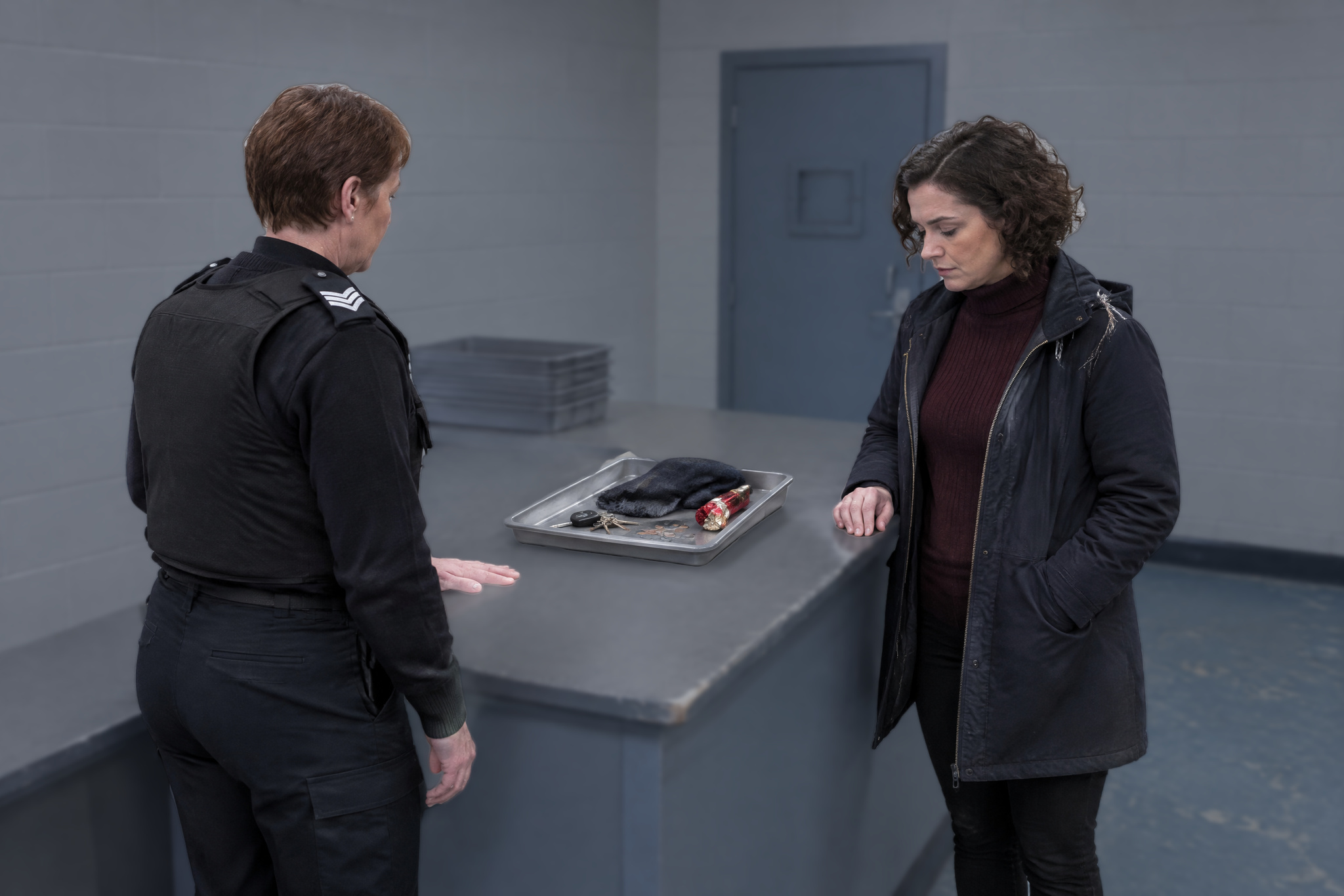
On arrival at the police station following a drink driving arrest, a custody officer books the driver in and records the reason for arrest. A custody record is opened at this point.
All subsequent steps, including the evidential test result, any interview and decisions about charge or release, are documented in that record.
Custody rights
While in police custody, you must be informed of your rights.
These include speaking privately with a solicitor, having someone informed of your detention and being able to consult the relevant police codes of practice.
You can request legal advice before an interview and ask for a solicitor to attend.
However, requesting legal advice does not automatically allow you to postpone a lawful requirement to provide a breath, blood or urine sample.
Evidential testing in custody
Evidential breath, blood or urine testing takes place after booking in and before interview.
The result is recorded and forms the basis of any subsequent drink driving charge.
The obligation to provide a specimen under the Road Traffic Act 1988 applies independently of the right to legal advice. Requesting a solicitor does not suspend or delay the testing requirement.
Police interview
After testing, police may conduct a recorded interview under caution. The driver has the right to legal advice before and during the interview.
The standard caution applies: anything said may be used in evidence, and remaining silent may be commented on in court if the case proceeds.
Exercising the right to legal advice before interview does not affect the requirement to have already provided an evidential specimen.
Charge, release or further action
If there is sufficient evidence, the driver may be charged with the relevant drink driving offence and given a date to appear at a Magistrates’ Court.
Alternatively, the driver may be released under investigation while the file is reviewed, or released without charge.
Conditional bail may be imposed, with conditions such as not driving or surrendering a driving licence.
The driving licence at this stage
Police may require surrender of the driving licence pending court proceedings in some circumstances.
The court can also impose an interim disqualification at the first hearing, before the case is concluded.
This means a driver may lose the ability to drive before any finding of guilt is made.
Your Rights to Legal Advice and How Testing Requirements Differ
The right to legal advice
If you are arrested for suspected drink driving, you have the right to consult a solicitor privately while in police custody.
You can request legal advice before an interview, and a solicitor can attend questioning where appropriate.
The police must explain your rights and arrange access to legal advice in accordance with the relevant custody procedures.
Seeking advice does not imply that you have done anything wrong. It allows you to understand the investigation and make informed decisions before answering questions.
What legal advice covers in this context
A motoring offence solicitor can advise on the significance of the evidential reading, whether grounds for challenge exist, how to approach the interview, what to say and what not to say, and what the likely charges and sentencing range are.
This custody advice is distinct from representation at a later hearing, which may involve separate funding arrangements.
Requesting legal advice does not suspend testing obligations
Requesting a solicitor does not entitle the driver to delay or refuse the evidential breath, blood or urine test.
The obligation to provide a specimen under the Road Traffic Act 1988 applies independently of any request for legal advice.
Attempting to withhold a specimen until a solicitor arrives could result in a charge of failing to provide.
Solicitor advice is obtained after testing has been completed or alongside the booking-in process, not as a reason to decline a specimen.
Differences between roadside and station obligations
At the roadside, the preliminary screening test falls under the Road Traffic Act 1988.
Refusing is an offence, but it carries lower maximum penalties than the evidential stage.
At the police station, the evidential drink driving test follows more formal procedures and provides the evidence generally relied upon in court.
Refusing without reasonable excuse carries penalties equivalent to the substantive drink driving offence.
The right to legal advice applies fully at the police station stage and before interview.
It does not apply to the roadside screening step in the same way, and invoking it cannot be used to avoid providing a roadside test.
Penalties and Sentencing for Drink Driving
The offence and sentencing framework
Driving or attempting to drive while over the legal alcohol limit is a criminal offence in England and Wales.
A conviction can result in a driving ban, an unlimited fine and up to six months’ imprisonment.
Being in charge of a vehicle while over the limit is a separate offence with different possible penalties. It does not always carry the same mandatory disqualification as driving or attempting to drive.
Failing to provide an evidential specimen without reasonable excuse can also lead to serious penalties, including a driving ban.
The sentence depends on the offence, the alcohol reading and the circumstances.
Mandatory minimum disqualification
For a first conviction involving driving or attempting to drive over the alcohol limit, the court must normally impose a driving ban of at least 12 months.
A longer ban may be imposed where the alcohol reading is particularly high or aggravating circumstances are present.
For example, a collision, dangerous driving behaviour or the presence of a child in the vehicle may affect the sentence.
The court may avoid or reduce the normal minimum disqualification only where the law permits, such as when special reasons are established.
Repeat drink driving offences
A driver convicted of a qualifying drink driving offence within ten years of a previous qualifying conviction normally faces a minimum three-year driving ban.
The court may impose a longer disqualification depending on the circumstances and the seriousness of the offending.
Repeat convictions can also affect sentencing, insurance costs and future employment.
The drink drive rehabilitation course
If a court imposes a driving ban of 12 months or more for a qualifying drink driving offence, it may offer you the opportunity to complete an approved drink drive rehabilitation course.
Completing the course within the required period can reduce the length of your ban, usually by one quarter.
The course is voluntary, and you must pay the relevant fee.
Not everyone convicted of drink driving is offered this option. The decision rests with the court, and you generally need to accept the offer when it is made.
Occupation and disqualification
If you need to drive for work, losing your licence can have serious financial and employment consequences.
However, relying on your licence for your job does not automatically prevent a mandatory drink driving ban.
The court may consider relevant personal circumstances when deciding the appropriate sentence, but ordinary employment hardship is not enough on its own to remove the minimum disqualification.
A solicitor can explain whether any legally recognised argument may affect the length of the ban in your case.
Fines and ancillary orders
Drink driving fines depend on the seriousness of the offence and your financial circumstances.
The court will usually consider your income when setting the amount.
A conviction may also result in court costs, a victim surcharge and a criminal record.
In limited cases, a special reasons argument may allow the court to avoid or reduce a mandatory driving ban. Such an argument must relate to the circumstances of the offence and meet specific legal requirements.
Your solicitor can assess whether there is evidence to support that type of application.
Facing Legal Issue?
Speak to one of our Motoring Offences Defence Specialists for confidential advice on your position and next steps.
Strictly Confidential and No Obligation
Challenging a Drink Driving Conviction or Driving Ban
Appealing a magistrates’ court decision
If you have been convicted of drink driving in the magistrates’ court, you may be able to appeal against the conviction, sentence or both.
An appeal is normally heard in the Crown Court, where the case can be considered again.
Under the current Criminal Procedure Rules, the appeal notice must usually be submitted within 15 business days of the relevant sentencing decision.
If you are considering an appeal, seek legal advice promptly because the deadline is strict and preparing the necessary documents can take time.
Appealing out of time
If you miss the normal appeal deadline, you may apply for permission to appeal late.
The court will consider why the deadline was missed and whether an extension should be allowed.
A late appeal is not automatically accepted, so you should explain the delay and provide any supporting information.
The sooner you obtain advice, the easier it may be to assess whether an application for an extension is realistic.
Grounds for challenging a drink driving conviction
A drink driving conviction may be challenged where there are genuine concerns about the evidence or how the legal procedures were followed.
For example, your solicitor may examine whether police had lawful grounds to require a test, whether the evidential device was used correctly or whether a medical condition affected your ability to provide a specimen.
They may also review whether the required warnings were given and whether the prosecution can establish the alleged offence.
Not every procedural mistake will invalidate a conviction. The importance of any error depends on the relevant law and how it affected the evidence.
Challenging the disqualification rather than the conviction
You may accept the conviction but believe that the driving ban or another part of the sentence is excessive.
In those circumstances, you may be able to appeal against the sentence without challenging the finding of guilt.
The Crown Court can reconsider the sentence and may reduce or increase it, depending on the circumstances.
A solicitor can explain the possible outcomes and assess whether the grounds for appeal justify proceeding.
Special reasons and exceptional hardship
Special reasons and exceptional hardship are different legal arguments.
Special reasons may allow a court to avoid or reduce an otherwise mandatory drink driving ban where particular circumstances connected with the offence justify doing so.
Exceptional hardship generally arises in cases involving disqualification because a driver has accumulated too many penalty points.
Simply needing a licence for work is not normally enough to avoid a mandatory drink driving disqualification.
If you believe unusual circumstances apply to your case, obtain advice before sentencing so the appropriate argument can be considered and supported by evidence.
The Role of a Motoring Offences Solicitor in Drink Driving Cases
A motoring offences solicitor can advise you from the time of arrest through to any court proceedings or appeal.
At the police station, they can explain your rights, review the circumstances of the evidential testing and advise you before and during questioning.
If you are charged, your solicitor can examine the prosecution evidence, identify any procedural concerns and advise whether there are grounds to contest the allegation.
They can also help prepare mitigation where you intend to plead guilty, including relevant personal circumstances and any evidence that may affect sentencing.
If you have already been convicted and are considering an appeal, a solicitor can assess the grounds, explain the risks and help you meet the relevant deadline.
Legal aid may be available for some court proceedings, depending on the circumstances and eligibility requirements. Your solicitor can explain the available funding arrangements.
Speak to a Motoring Offences Solicitor
If you have been stopped, arrested or charged with drink driving during a Christmas police campaign, obtaining legal advice early can help you understand what happens next.
Ashmans Solicitors advises individuals facing motoring offences, including drink driving allegations, failure to provide a specimen and driving disqualification proceedings.
Our motoring offences team can review the evidence, explain your rights during a police investigation and advise on possible defences, sentencing and appeals.
If you are concerned about losing your licence or facing criminal charges, contact Ashmans Solicitors for advice about your circumstances.
Book a Consultation with our motoring offences solicitors.
5 Key Takeaways
- Christmas drink driving campaigns increase roadside checks, but police must still have lawful grounds to require a breath test.
- A roadside breath test is a preliminary check; formal evidential testing at the police station is generally used to establish alcohol levels in court.
- Failing to provide an evidential specimen without reasonable excuse can lead to criminal charges and penalties similar to drink driving.
- A first drink driving conviction normally carries a minimum 12-month ban, increasing to at least three years for qualifying repeat offences within ten years.
- Appeals against magistrates’ court drink driving decisions are normally subject to a 15-business-day deadline, making early legal advice important.
Frequently Asked Questions
No. Police can stop vehicles without suspecting drink driving, but they must have a lawful reason to require a breath test. This may include suspected alcohol consumption, a moving traffic offence or involvement in a collision.
Refusing a lawful roadside breath test without reasonable excuse is a criminal offence and may lead to arrest. The penalties differ from those for failing to provide an evidential specimen at the police station.
No. The roadside breathalyser is a screening device. If you are arrested, police will normally conduct an evidential test at the station, and that result is generally used in court proceedings.
No. Requesting legal advice does not automatically allow you to delay a lawful evidential test. Failing to provide a specimen without reasonable excuse may result in prosecution, so you should comply with the testing requirement while requesting advice before any interview.
A first conviction for driving or attempting to drive over the alcohol limit normally carries a minimum 12-month ban. The court may impose a longer period depending on the circumstances.
Yes. You can normally appeal a Magistrates’ Court conviction or sentence to the Crown Court. The appeal notice usually must be submitted within 15 business days of the relevant decision, although late appeals may be permitted in certain circumstances.
No. Needing your licence for employment does not automatically prevent a mandatory drink driving ban. The court may consider your circumstances when sentencing, but special legal grounds are required to avoid the normal minimum disqualification.
It is an approved course that a court may offer when imposing a qualifying drink driving ban of at least 12 months. Completing it within the required period can reduce the ban, usually by one quarter.
Call us on 0333 009 6275. We are available to take your call 24 hours a day, 7 days a week.
You can also email us on enquiries@ashmanssolicitors.com or complete our Online Enquiry Form and we’ll be in touch soon.
 Imran Ali
Get in touch
We’ll respond within 15 minutes during office hours
Search our legal articles
Free expert guidance on criminal law, your rights, and what to expect at every stage.
Searching Legal Help Hub articles
Related insights and updates

Failing to Identify the Driver (Section 172): The Offence That Catches Company Car Drivers

New Year Driving Bans: What Happens If You Are Disqualified in January & How to Keep Working

Drink Driving the Morning After: How Long Alcohol Stays in Your System & the Law

Drug Driving Blood Tests: How Accurate are They and Can the Result Be Challenged?

Causing Death by Careless Driving: How It Differs from Dangerous Driving & What Sentence to Expect

Careless Driving vs Dangerous Driving: What Is the Difference and Why Does It Matter?

Can I Reopen old Conviction from Two Years Ago If I Knew Nothing About It?

Early Return of Driving Licence Disqualification in the UK

Drink Driving and Drug Driving Penalties in the UK

Can Police Take a Blood Sample in Hospital for Drink Driving?

Notice of Intended Prosecution (NIP) UK: What It Means and What To Do

How to Report a Road Traffic Accident in the UK
Can Hand Sanitiser Affect a Drink Driving Breathalyser Test?

Motoring Offence Solicitors in Dewsbury
Drug Driving UK: Legal Limits, Penalties and Defences

Failing to Provide a Specimen for Analysis – Legal Advice
Fail to Produce Driving Documents: Offence, Penalties and Legal Defence
Charged With Drink Driving – What Should You Do Next?

Common Motoring Law Myths in the UK Explained