
Strategic Advice
Client-Focussed
Proven Record
Strategic Advice
Client-Focussed
Proven Record
Strategic Advice
Client-Focussed
Proven Record

Offence Category: Motoring Offences

  • How to Report a Road Traffic Accident in the UK

    How to Report a Road Traffic Accident in the UK

    Report Road Traffic Accident UK
    Strategic Advice
    Client-Focussed
    Proven Record
    Strategic Advice
    Client-Focussed
    Proven Record
    Strategic Advice
    Client-Focussed
    Proven Record

    When Must You Report a Road Traffic Accident in the UK?

    Drivers involved in a road traffic accident have legal responsibilities under Section 170 of the Road Traffic Act 1988

    This legislation requires drivers to stop and provide certain details when an accident results in: 

    • Injury to another person 
    • Damage to another vehicle 
    • Damage to property such as buildings, fences, or street furniture 
    • Injury to certain animals including dogs, horses, cattle, pigs, sheep, goats, or donkeys 

    If one of these circumstances occurs, drivers must stop and provide their details to anyone with reasonable grounds to request them. 

    These obligations exist to ensure that injured parties, property owners, and insurers can identify the drivers involved in the collision.

    What Information Must Drivers Exchange After an Accident?

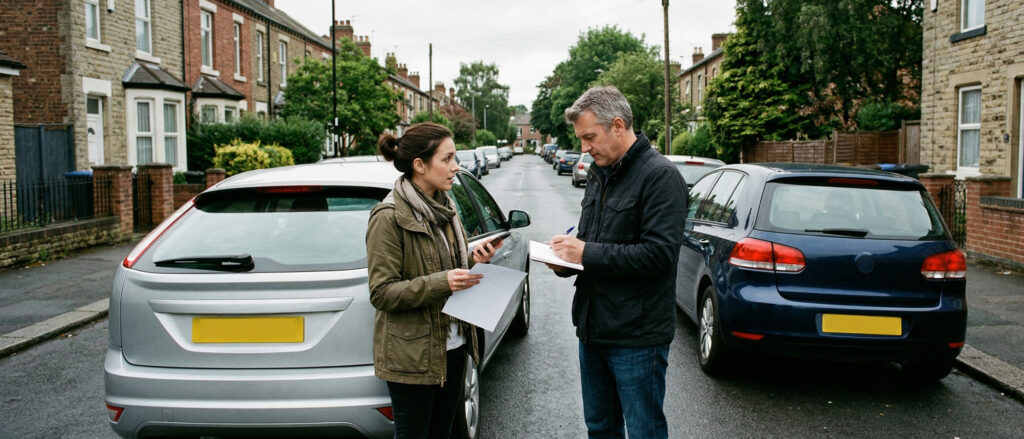
    If you are involved in a road traffic accident, you should exchange the following details: 

    • Your name and address 
    • The name and address of the vehicle owner (if different) 
    • The vehicle registration number 
    • Insurance information if requested 

    Providing accurate information is important. Refusing to provide these details may itself amount to an offence. 

    Drivers should also consider recording additional information, such as photographs of the scene, the time and location of the accident, and contact details of witnesses where possible. 
    Report Road Accident Legal Expert Advice

    How to Report an Accident to the Police

    If it is not possible to exchange the required details at the scene of the accident, the incident must generally be reported to the police. 

    In most cases, the accident must be reported within 24 hours

    Drivers can report an accident by: 

    • Attending a local police station 
    • Contacting the police through appropriate reporting channels 

    When reporting an accident, the police may ask for details such as: 

    • The location and time of the collision 
    • Vehicles involved 
    • Injuries or damage 
    • Witness information 

    Police may decide to investigate the incident further, particularly if there are allegations of careless driving, dangerous driving, or other motoring offences.

    When Do You Need to Inform Your Insurance Company?

    In addition to legal reporting requirements, most motor insurance policies require drivers to notify their insurer following an accident. 

    Even if the collision appears minor or no claim is immediately made, failing to inform your insurer could potentially affect your policy. 

    Insurers will typically request details such as: 

    • Circumstances of the accident 
    • Other parties involved 
    • Damage to vehicles 
    • Police reference numbers if available 

    It is important to review your policy terms to understand your reporting obligations. 

    What Happens If You Fail to Report a Road Traffic Accident?

    Failing to comply with accident reporting requirements can lead to criminal offences

    Two common offences arising after collisions are failing to stop and failing to report an accident

    These offences are frequently investigated together. 

    Failing to Stop

    Drivers must stop after an accident where injury or damage has occurred. 

    Leaving the scene without stopping may result in prosecution. 

    Courts treat failing to stop seriously because it can prevent injured people from receiving assistance and obstruct proper investigation of the incident. 

    Failing to Report an Accident

    If drivers cannot exchange details at the scene, the accident must generally be reported to police within 24 hours. 

    Failing to do so may result in prosecution. 

    Penalties can include: 

    • Penalty points on a driving licence 
    • Fines 
    • Disqualification from driving 
    • In some cases, imprisonment 

    The exact penalty will depend on the circumstances of the case and the seriousness of the incident. 

    Sentencing guidance for motoring offences is available through the Sentencing Council. 

    How a Criminal Defence Solicitor Can Help

    Road traffic accident cases can sometimes lead to criminal allegations, particularly where there are disputes about what happened at the scene. 

    Legal advice may be important where a driver is accused of offences such as: 

    • Failing to stop after an accident 
    • Failing to report a collision 
    • Careless or dangerous driving 
    • Driving without insurance 

    A criminal defence solicitor can examine the evidence, advise on the applicable law, and represent clients if the matter proceeds to court. 

    Early legal advice may assist in protecting your position and ensuring that your rights are properly safeguarded

    Contact Our Motoring Defence Solicitors

    If you are under investigation or facing allegations following a road traffic accident, obtaining legal advice as early as possible is important. 

    Our criminal defence solicitors regularly represent drivers accused of motoring offences and can provide clear advice about your legal position and the options available to you. 

    To speak with a solicitor about your case, contact our team for confidential legal advice.


    Search our legal articles

    Free expert guidance on criminal law, your rights, and what to expect at every stage.

    Searching Legal Help Hub articles

  • Hip Flask Defence in Drink Driving Cases

    Hip Flask Defence in Drink Driving Cases

    Hip Flask Driving Cases Defence

    Strategic Advice
    Client-Focussed
    Proven Record
    Strategic Advice
    Client-Focussed
    Proven Record
    Strategic Advice
    Client-Focussed
    Proven Record

    One defence sometimes raised in drink driving prosecutions is known as the hip flask defence. This argument arises where a person claims they consumed alcohol after they had finished driving, rather than before or during the driving itself. 

    Understanding how this defence works and when it may be legally viable requires careful analysis of the evidence and the legal framework surrounding drink driving offences. 

    This article explains the hip flask defence in drink driving cases, how courts assess it, and why experienced legal representation is essential when facing such allegations. 

    What Is the Hip Flask Defence?

    The hip flask defence refers to a situation where a driver argues that the alcohol detected during police testing came from alcohol consumed after the driving took place

    For example, this may arise where: 

    • A driver consumes alcohol after arriving home 
    • Alcohol is consumed after a road traffic collision 
    • Alcohol is consumed before police arrive at the scene 

    In these circumstances, a driver may argue that they were not over the legal alcohol limit while driving, and that the alcohol level detected during testing resulted from post-incident drinking

    However, raising this defence does not automatically prevent prosecution. Courts will examine the evidence closely to determine whether the explanation is credible.

    The Law on Drink Driving in England and Wales

    Drink driving offences are governed primarily by the Road Traffic Act 1988

    Under this legislation, it is an offence to: 

    • Drive or attempt to drive while above the prescribed alcohol limit 
    • Be in charge of a motor vehicle while over the limit 

    The prescribed limits in England and Wales are currently: 

    • 35 micrograms of alcohol per 100ml of breath 
    • 80 milligrams per 100ml of blood 
    • 107 milligrams per 100ml of urine 

    Further guidance on drink driving law can be found on UK Government guidance pages. 

    In prosecution cases, the Crown must prove that the defendant was over the legal limit at the time of driving.

    Hip Flask Defence Strategy

    How the Hip Flask Defence Works in Practice

    The hip flask defence focuses on the timing of alcohol consumption

    If a driver can demonstrate that alcohol was consumed only after the driving was completed, it may be possible to challenge the prosecution case. 

    However, courts will consider whether the alcohol level detected during testing could realistically be explained by post-incident drinking. 

    Post-Incident Drinking

    Post-incident drinking occurs when alcohol is consumed after: 

    • A collision 
    • Parking the vehicle 
    • Returning home 

    The key question becomes whether the alcohol detected during testing reflects alcohol consumed before driving, or after driving

    Alcohol Calculations

    In many cases, expert evidence is required. 

    Forensic toxicologists may carry out calculations to estimate: 

    • Blood alcohol concentration at the time of driving 
    • Absorption rates 
    • Elimination rates 

    These calculations can be complex and must take into account: 

    • Body weight 
    • Alcohol strength 
    • Timing of drinks 
    • Food consumption 
    • Individual metabolism 

    Evidence Used in Hip Flask Defence Cases

    Courts rely on several types of evidence when assessing drink driving cases. 

    Breath Test Evidence

    Roadside breath tests and evidential breath tests are often the first indication of alcohol levels. 

    Police powers to conduct breath tests are set out in legislation and explained by the Crown Prosecution Service guidance on drink driving offences. 

    Blood or Urine Samples

    Where breath tests are not possible or are challenged, police may request blood or urine samples. 

    These samples are analysed to determine alcohol concentration at the time of testing. 

    Expert Toxicology Evidence

    Where the hip flask defence is raised, expert forensic evidence may be necessary. 

    A toxicology expert may assess: 

    • Alcohol absorption timelines 
    • Blood alcohol levels at the time of driving 
    • Whether the driver could realistically have been under the limit while driving 

    Risks of Relying on the Hip Flask Defence

    Although the hip flask defence is recognised in law, it is not easy to establish

    Courts will carefully scrutinise claims of post-incident drinking. 

    Potential difficulties include: 

    • Lack of supporting evidence 
    • Inconsistent statements 
    • Scientific calculations contradicting the defence 

    If the explanation is not accepted, the court may conclude that the driver was over the legal limit while driving

    Sentencing guidance for drink driving offences can be found through the Sentencing Council for England and Wales, which outlines penalties including driving disqualification, fines, and potential imprisonment.

    How Defence Solicitors Challenge Drink Driving Evidence

    Defending a drink driving allegation often requires detailed examination of the prosecution case. 

    A defence solicitor may consider: 

    • Whether police followed correct procedures 
    • Accuracy of breath testing equipment 
    • Timing of alcohol consumption 
    • Scientific alcohol calculations 
    • Reliability of witness evidence 

    Where post-incident drinking is alleged, expert evidence may be required to analyse whether the alcohol level detected could be explained by the drinks consumed after driving. 

    Each case turns on its specific facts and evidence, which is why specialist legal advice is essential when facing allegations of this nature. 

    Speak to a Criminal Defence Solicitor

    Drink driving allegations can carry serious consequences, including disqualification from driving, financial penalties, and potential imprisonment. 

    If you are facing an investigation or prosecution involving allegations of drink driving, obtaining advice from experienced criminal defence solicitors is essential. Early legal guidance can help ensure the evidence is properly assessed and that any available defence is carefully considered.

    You can also email us on enquiries@ashmanssolicitors.com or complete our Online Enquiry Form and we’ll be in touch soon.


    Search our legal articles

    Free expert guidance on criminal law, your rights, and what to expect at every stage.

    Searching Legal Help Hub articles

  • Failure to Stop After an Accident in the UK: Law, Penalties and Legal Defence

    Failure to Stop After an Accident in the UK: Law, Penalties and Legal Defence

    Failure to Stop after Accident UK

    Strategic Advice
    Client-Focussed
    Proven Record
    Strategic Advice
    Client-Focussed
    Proven Record
    Strategic Advice
    Client-Focussed
    Proven Record

    If a driver leaves the scene without complying with these obligations, they may face prosecution for failure to stop after an accident. The consequences can include penalty points, fines, disqualification from driving and, in some circumstances, imprisonment. 

    Understanding the law surrounding this offence is important, particularly for drivers who may be under investigation or facing charges.

    What Is Failure to Stop After an Accident?

    The offence of failure to stop after an accident arises when a driver involved in a road traffic collision leaves the scene without fulfilling their legal responsibilities. 

    UK law requires drivers involved in certain types of accidents to: 

    • Stop at the scene 
    • Provide their name and address 
    • Provide the vehicle owner’s details if different 
    • Give the vehicle registration number 

    If these details are not provided at the scene, the accident must normally be reported to the police within a specified timeframe. 

    Where a driver leaves the scene without complying with these obligations, they may be prosecuted for: 

    • Failing to stop after an accident 
    • Failing to report an accident 

    Both offences are commonly charged together.

    What Does the Road Traffic Act 1988 Say?

    The legal duties relating to accidents are set out in the Road Traffic Act 1988

    Section 170 Road Traffic Act

    Section 170 of the legislation establishes the responsibilities of drivers following certain road traffic accidents. 

    The law applies where an accident causes: 

    • Injury to another person 
    • Damage to another vehicle 
    • Damage to property 
    • Injury to certain animals 

    Duty to Stop and Exchange Details

    Where an accident occurs in the circumstances described above, the driver must stop and provide their details to anyone with reasonable grounds for requesting them. 

    These details include: 

    • The driver’s name and address 
    • The name and address of the vehicle owner 
    • The vehicle registration number 

    Failing to stop when required may lead to prosecution. 

    Duty to Report an Accident

    If a driver does not exchange details at the scene, the accident must normally be reported to the police. 

    In most cases this must be done as soon as reasonably practicable and within 24 hours

    Failure to report an accident when required is also a criminal offence. 

    Defence Strategy After Accident

    What Counts as an Accident Under UK Law?

    Not every minor incident necessarily triggers the legal duty to stop. 

    However, the law generally applies where an accident results in: 

    • Injury to another person 
    • Damage to another vehicle 
    • Damage to roadside property 
    • Injury to certain animals such as horses, cattle, sheep, pigs, goats or dogs 

    Even relatively minor collisions may fall within the scope of the legislation if damage has occurred. 

    In many cases, drivers may not initially realise that damage has been caused. However, where the court believes a driver knew or should reasonably have known about the accident, criminal liability may arise.

    Penalties for Failing to Stop After an Accident

    Failure to stop after an accident is treated seriously by the courts. 

    Penalty Points

    A conviction can result in: 

    5 to 10 penalty points on a driving licence. 

    For drivers who already have points on their licence, this may result in totting-up disqualification

    Disqualification

    Courts have the power to impose a driving disqualification in appropriate cases. 

    The length of the ban will depend on factors such as: 

    • Seriousness of the accident 
    • Level of damage or injury 
    • Whether the driver attempted to avoid responsibility 

    Fines and Imprisonment

    The offence may also result in: 

    • A substantial fine 
    • In the most serious cases, a custodial sentence

    How Courts Deal With Failure to Stop Offences

    When determining sentence, the court will consider several factors. 

    Aggravating factors may include: 

    • Leaving the scene deliberately 
    • Failing to report an accident involving injury 
    • Attempting to conceal involvement 
    • Previous motoring convictions 

    Mitigating factors may include: 

    • Genuine lack of awareness that an accident occurred 
    • Minor damage 
    • Prompt reporting after realising the incident 

    Each case will be assessed on its own facts. 

    The availability of a defence will depend on the circumstances of the case. 

    Common defence arguments may include: 

    Lack of Knowledge

    One potential defence is that the driver did not know and could not reasonably have known that an accident occurred. 

    This issue frequently arises in minor collisions or incidents involving parked vehicles. 

    No Damage or Injury

    If the prosecution cannot prove that the accident involved damage or injury within the meaning of the legislation, the duty to stop may not arise. 

    Incorrect Identification of the Driver

    In some cases, the prosecution may struggle to prove who was driving the vehicle at the relevant time. 

    Where identity cannot be established beyond reasonable doubt, a conviction may not follow.

    Allegations of failing to stop after an accident can have serious consequences for drivers. 

    A conviction may result in: 

    • Penalty points 
    • Disqualification 
    • Increased insurance costs 
    • A criminal record 

    Specialist legal representation can help ensure that: 

    • The prosecution evidence is properly examined 
    • Potential legal defences are considered 
    • Mitigation is effectively presented before the court 

    Early legal advice can make a significant difference to the outcome of a case.

    Speak to a Criminal Defence Solicitor

    If you are facing allegations of failure to stop after an accident, it is important to obtain legal advice as soon as possible. 

    An experienced criminal defence solicitor can assess the evidence, advise on the strength of the prosecution case and represent you throughout the legal process. 

    Prompt legal guidance can help protect your rights and ensure that your case is handled properly.

    You can also email us on enquiries@ashmanssolicitors.com or complete our Online Enquiry Form and we’ll be in touch soon.


    Search our legal articles

    Free expert guidance on criminal law, your rights, and what to expect at every stage.

    Searching Legal Help Hub articles

  • Fail to Produce Driving Documents: Offence, Penalties and Legal Defence

    Fail to Produce Driving Documents: Offence, Penalties and Legal Defence

    Fail to Product Documents Penalties Defence

    Strategic Advice
    Client-Focussed
    Proven Record
    Strategic Advice
    Client-Focussed
    Proven Record
    Strategic Advice
    Client-Focussed
    Proven Record

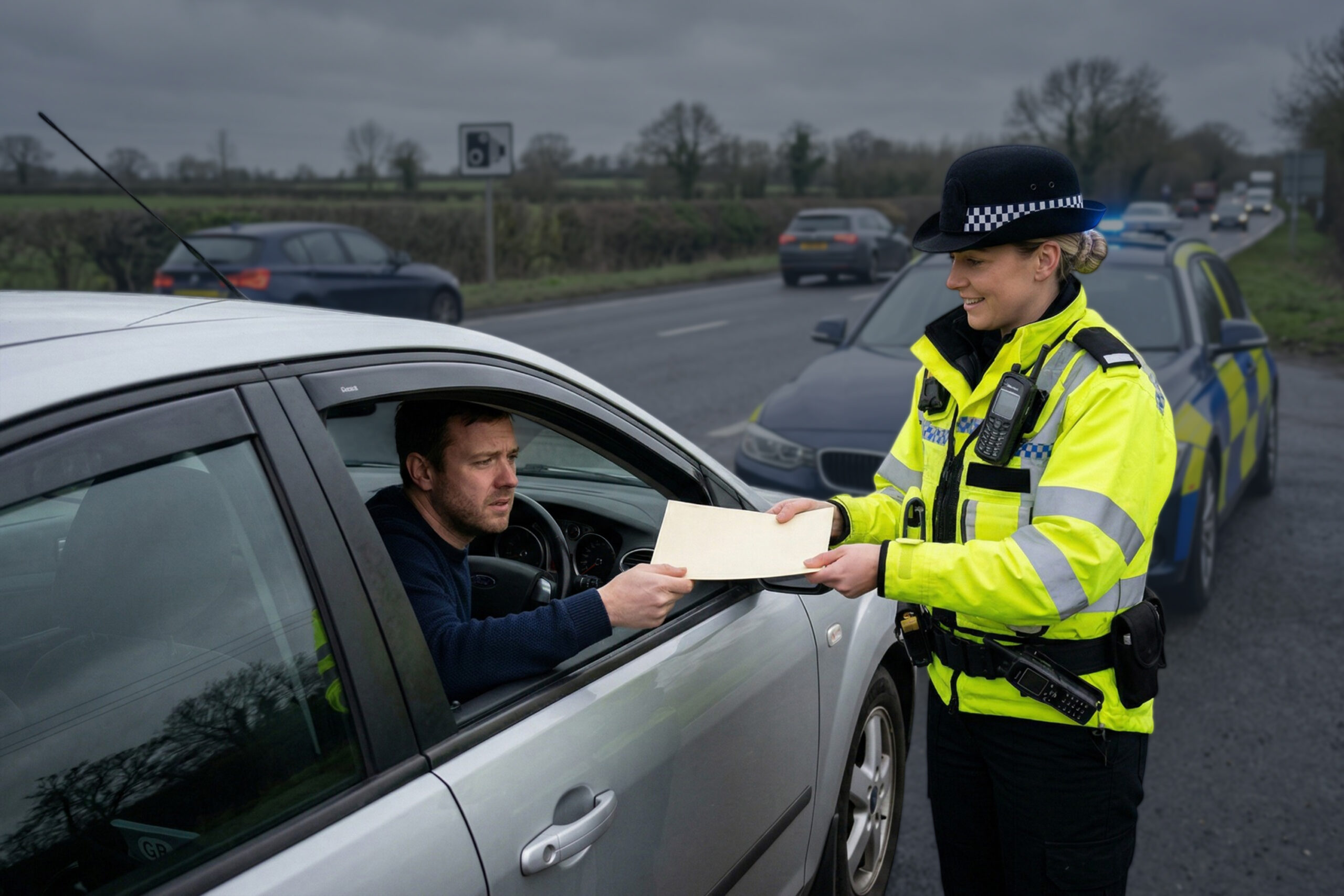
    Where a driver cannot produce those documents at the roadside, the police will usually issue a producer notice, requiring the documents to be presented at a police station within a specified period. 

    Failing to comply with that request can lead to a “fail to produce driving documents” offence, which may carry financial penalties and points on your licence. 

    Understanding your legal obligations and your options if you are accused of failing to comply is essential to protecting your driving licence.

    What Is the Offence of Failing to Produce Driving Documents?

    Under the Road Traffic Act 1988, police officers have the authority to require drivers to produce documents confirming that they are legally entitled to drive and that the vehicle is lawfully on the road. 

    If a driver cannot show these documents when asked, the officer may issue a formal notice requiring the documents to be produced later. 

    Failing to comply with this requirement can lead to prosecution for failing to produce driving documents

    What Is a HORT1 Producer Notice?

    HORT1, commonly known as a producer, is a notice issued by police officers when a driver cannot present documents during a roadside stop. 

    The notice will list the documents that must be produced. 

    The driver is normally required to attend a nominated police station within seven days to show the original documents. 

    The notice may require the production of: 

    • A driving licence 
    • Insurance certificate 
    • MOT certificate 
    • Other vehicle documentation 

    The time limit usually begins from the date the notice is issued. 

    Defence Strategy Failure Documents

    Which Driving Documents Can the Police Ask For?

    Police officers may request several different documents during a roadside stop. 

    Driving Licence

    Drivers must hold a valid driving licence to operate a motor vehicle on public roads. 

    If the licence cannot be shown at the roadside, it must normally be produced at a police station within the time specified on the HORT1 notice. 

    Insurance Certificate

    Motor insurance is legally required for vehicles driven on public roads. 

    Failure to produce valid insurance documents may lead the police to investigate driving without insurance, which carries more serious penalties. 

    MOT Certificate

    If a vehicle is old enough to require an MOT test, a valid certificate must be held confirming that the vehicle meets safety standards. 

    Failure to produce an MOT certificate may lead to further investigation regarding the vehicle’s roadworthiness. 

    Vehicle Registration Document (V5C)

    Police may also ask for the vehicle registration document, particularly where ownership or vehicle identity needs to be confirmed.

    What Happens If You Fail to Produce Documents Within 7 Days?

    If the requested documents are not produced within the time stated on the producer notice, the police may proceed with a prosecution for failing to produce driving documents

    In some cases, the failure to produce documents can lead officers to suspect that the driver does not have valid documentation. 

    This may result in further charges such as: 

    • Driving without insurance 
    • Driving without a valid licence 
    • Driving without an MOT 

    Each of these offences carries separate penalties and may significantly increase the seriousness of the case. 

    Penalties for Failing to Produce Driving Documents

    The penalties for failing to produce documents can vary depending on the circumstances of the case. 

    Possible consequences include: 

    • fine of up to £1,000 
    • Penalty points on your driving licence 
    • Further investigation for other motoring offences 

    Drivers who accumulate too many penalty points may also face a totting-up disqualification, which can lead to a driving ban. 

    Possible Defences to a Fail to Produce Documents Charge

    Every case depends on the specific facts and evidence involved. 

    Potential defences may include situations where: 

    • The documents were produced but administrative errors occurred 
    • The driver had a valid reason for not producing them within the deadline 
    • The notice was issued incorrectly 
    • The documents were in fact valid at the time of the stop 

    In some cases it may also be possible to demonstrate that the underlying documents were valid and that the failure to produce them was due to circumstances beyond the driver’s control. 

    Legal advice should always be sought before responding to allegations or accepting a fixed penalty.

    How a Motoring Defence Solicitor Can Help

    Motoring allegations can quickly escalate, particularly where the police suspect additional offences such as driving without insurance or without a licence. 

    A solicitor experienced in motoring defence can: 

    • Review the circumstances of the roadside stop 
    • Examine the legality of the producer notice 
    • Identify possible procedural issues 
    • Assess whether a defence is available 
    • Represent you in court if proceedings are issued 

    Early legal advice can be crucial in protecting your licence and minimising the impact of a prosecution. 

    If you have been accused of failing to produce driving documents, obtaining specialist legal advice as soon as possible can help you understand your options and prepare an effective defence.

    You can also email us on enquiries@ashmanssolicitors.com or complete our Online Enquiry Form and we’ll be in touch soon.


    Search our legal articles

    Free expert guidance on criminal law, your rights, and what to expect at every stage.

    Searching Legal Help Hub articles

  • Drug Driving UK: Legal Limits, Penalties and Defences

    Drug Driving UK: Legal Limits, Penalties and Defences

    Drug Driving Limites Penalties UK

    Strategic Advice
    Client-Focussed
    Proven Record
    Strategic Advice
    Client-Focussed
    Proven Record
    Strategic Advice
    Client-Focussed
    Proven Record

    Drug driving laws apply to both illegal substances and certain prescription medications. Many drivers are unaware that legally prescribed drugs can still lead to criminal charges if they impair driving or exceed legal limits. 

    Understanding how drug driving laws work, how police enforce them and what penalties may apply is important for anyone facing an investigation or charge. 

    What Is the Drug Driving Offence in the UK?

    Drug driving offences are governed primarily by the Road Traffic Act 1988

    The law makes it an offence to drive or attempt to drive while: 

    • Unfit through drugs, or 
    • Having a specified drug in your body above the legal limit. 

    This means prosecution may occur even if the driver does not appear visibly impaired, provided laboratory analysis confirms drug levels above the statutory threshold. 

    The law applies to: 

    • Illegal drugs 
    • Prescription medications 
    • Certain over-the-counter medicines.

    The UK introduced specific legal limits for a number of controlled drugs to simplify prosecution and enforcement. 

    These limits are extremely low for illegal drugs because the presence of these substances while driving is considered inherently dangerous.

    Illegal Drugs 

    Specified drugs include substances such as: 

    • Cannabis 
    • Cocaine 
    • MDMA (ecstasy) 
    • Ketamine 
    • LSD 

    The legal thresholds are set at levels intended to capture recent drug use. 

    Prescription Medications 

    Some prescription medicines also have legal limits, including: 

    • Morphine 
    • Methadone 
    • Diazepam 
    • Oxazepam 
    • Temazepam 

    Patients who are lawfully prescribed medication must ensure they follow medical guidance and that their ability to drive is not impaired. 

    Defence Strategy Drug Driving Penalties

    How Police Test Drivers for Drugs

    Police officers may carry out roadside drug tests if they suspect a driver may be under the influence of drugs. 

    This suspicion may arise from: 

    • Erratic driving behaviour 
    • Involvement in a collision 
    • Physical signs of impairment 
    • Intelligence or reports from the public. 

    Roadside Drug Screening

    Officers may use a drug screening device that analyses saliva to detect specific substances. 

    If the test indicates drug presence, the driver may be arrested and taken to a police station. 

    Blood Testing

    At the police station, a blood sample is usually taken for laboratory analysis. 

    This laboratory result is the primary evidence used in drug driving prosecutions.

    What Happens if You Are Arrested for Drug Driving

    If arrested on suspicion of drug driving, the police will begin a formal criminal investigation. 

    This may involve: 

    • Blood sample analysis 
    • Questioning under caution 
    • Review of driving behaviour 
    • Examination of medical or prescription evidence. 

    If the drug level exceeds the legal threshold, the driver may be charged with a drug driving offence

    The case will normally proceed to the Magistrates’ Court, where the prosecution must prove the offence beyond reasonable doubt. 

    Penalties for Drug Driving in the UK

    Drug driving penalties can be severe and may significantly affect a person’s personal and professional life. 

    If convicted, the court may impose: 

    • Minimum 12-month driving disqualification 
    • Unlimited fine 
    • Community order 
    • Imprisonment in serious cases. 

    Additional consequences may include: 

    • Increased insurance costs 
    • A criminal record 
    • Employment difficulties. 

    Sentencing guidance can be found via the Sentencing Council

    Possible Defences to a Drug Driving Charge

    Every drug driving case must be assessed on its individual facts. 

    Possible defence strategies may include challenging: 

    Testing Procedures

    If police procedures were not properly followed when obtaining or handling samples, the reliability of evidence may be questioned. 

    Laboratory Evidence

    Defence experts may examine laboratory analysis to identify possible inaccuracies or contamination. 

    Medical Defence

    Drivers taking prescription medication may rely on a statutory medical defence where: 

    • The drug was prescribed or supplied lawfully 
    • Medical advice was followed. 

    Procedural Errors

    Errors during investigation or charging procedures may also affect the prosecution case. 

    An experienced criminal defence solicitor can assess whether such issues exist.

    How a Criminal Defence Solicitor Can Help

    Drug driving allegations require careful legal analysis. 

    A defence solicitor can: 

    • Review the prosecution evidence 
    • Examine laboratory reports 
    • Assess potential legal defences 
    • Represent clients in court proceedings. 

    Early legal advice is often crucial when facing a drug driving investigation or charge. 

    Specialist legal representation can help ensure the case is handled correctly and that the strongest possible defence is presented.

    You can also email us on enquiries@ashmanssolicitors.com or complete our Online Enquiry Form and we’ll be in touch soon.


    Search our legal articles

    Free expert guidance on criminal law, your rights, and what to expect at every stage.

    Searching Legal Help Hub articles

  • Driving Without Insurance UK Penalties: Fines, Points and Court Consequences

    Driving Without Insurance UK Penalties: Fines, Points and Court Consequences

    Driving Without Insurance Fines

    Strategic Advice
    Client-Focussed
    Proven Record
    Strategic Advice
    Client-Focussed
    Proven Record
    Strategic Advice
    Client-Focussed
    Proven Record

    Understanding the legal penalties for driving without insurance is essential for any motorist. The offence is governed primarily by the Road Traffic Act 1988, which makes it unlawful to drive or allow a vehicle to be driven without valid insurance. 

    This guide explains the penalties for driving without insurance in the UK, how the courts deal with these offences, and what drivers should know if they are facing prosecution. 

    What Counts as Driving Without Insurance in UK Law

    Under Section 143 of the Road Traffic Act 1988, it is an offence to use or permit the use of a motor vehicle on a road or public place without valid motor insurance. 

    You may commit this offence if: 

    • You drive a vehicle without any insurance policy in place 
    • Your insurance policy has expired or been cancelled 
    • You drive a vehicle not covered by your insurance policy 
    • You allow another person to drive your vehicle without insurance 

    Many drivers assume they are insured under another policy when they are not. For example, some policies previously allowed drivers to operate other vehicles with third-party cover, but this is no longer commonly included. 

    Penalties for Driving Without Insurance

    The penalties for driving without insurance can be imposed either through a fixed penalty notice or by the courts. 

    Penalty Points for No Insurance

    The standard penalty is six penalty points added to your driving licence. 

    For new drivers who passed their test within the previous two years, six penalty points may result in the revocation of the driving licence under the New Drivers Act. 

    Penalty points remain on your licence for several years and may significantly increase future insurance premiums. 

    Fine for Driving Without Insurance

    Drivers may receive a fixed penalty fine of £300 if the matter is dealt with without court proceedings. 

    However, if the case proceeds to court, the fine can be significantly higher. Courts may impose a fine that reflects the seriousness of the offence and the driver’s financial circumstances. 

    Vehicle Seizure by Police

    Police officers have powers to seize vehicles being driven without insurance. 

    These powers arise under Section 165A of the Road Traffic Act 1988, which allows officers to: 

    • Seize the vehicle at the roadside 
    • Remove the vehicle to a secure compound 
    • Require proof of insurance before releasing it 

    Drivers may be required to pay recovery and storage charges to reclaim the vehicle. If the vehicle is not collected, it may ultimately be destroyed. 

    Defence Strategy Driving Without Insurance

    Court Prosecution and Possible Disqualification

    Some cases are prosecuted in the Magistrates’ Court. 

    This may happen where: 

    • The driver has previous motoring convictions 
    • The offence involves aggravating circumstances 
    • The fixed penalty is not accepted 

    In court, the penalties can include: 

    • Six to eight penalty points 
    • A financial penalty 
    • Discretionary driving disqualification 

    What Happens If Police Stop You Without Insurance

    If police officers stop a vehicle and believe it is uninsured, they will normally check the Motor Insurance Database (MID)

    If the database does not confirm insurance, officers may: 

    • Issue a fixed penalty notice. 
    • Seize the vehicle. 
    • Require production of insurance documents. 
    • Refer the matter for court prosecution. 

    Drivers who cannot prove valid insurance at the roadside may be required to produce documentation at a police station within a specified period. 

    Can You Be Banned for Driving Without Insurance

    Although penalty points are the most common outcome, courts do have the power to impose a driving disqualification

    A ban may be more likely where: 

    • The driver has a poor driving record 
    • The offence is repeated 
    • Other motoring offences are involved 

    Disqualification can have serious consequences for employment and personal life. Courts will consider the circumstances of the offence and the driver’s history before deciding whether a ban is appropriate. 

    Are There Any Defences or Special Reasons

    In some cases, drivers may have legal arguments that affect the outcome of the case. 

    For example, there may be special reasons relating to the circumstances of the offence that could justify avoiding penalty points. 

    These arguments must be carefully presented and supported with evidence. Courts will consider whether the circumstances justify departing from the usual penalties. 

    Each case depends on its specific facts and the evidence available.

    How a Criminal Defence Solicitor Can Help

    Driving without insurance may appear straightforward, but the legal consequences can be significant. 

    A criminal defence solicitor can assist by: 

    • Reviewing the evidence against you 
    • Advising on possible legal arguments 
    • Representing you in court proceedings 
    • Presenting mitigation to reduce penalties 
    • Protecting your driving licence where possible 

    Professional legal representation is particularly important where court proceedings are involved or where the risk of disqualification arises. 

    If you are facing allegations of driving without insurance, obtaining legal advice as early as possible can help ensure your case is properly prepared and presented. 

    You can also email us on enquiries@ashmanssolicitors.com or complete our Online Enquiry Form and we’ll be in touch soon.


    Search our legal articles

    Free expert guidance on criminal law, your rights, and what to expect at every stage.

    Searching Legal Help Hub articles

  • Driving Whilst Disqualified in the UK: Penalties, Court Process and Legal Defences

    Driving Whilst Disqualified in the UK: Penalties, Court Process and Legal Defences

    Driving Whilst Disqualified in UK

    Strategic Advice
    Client-Focussed
    Proven Record
    Strategic Advice
    Client-Focussed
    Proven Record
    Strategic Advice
    Client-Focussed
    Proven Record

    If you are caught driving during that disqualification period, you may face prosecution in the Magistrates’ Court, a possible custodial sentence, and a further driving ban

    Understanding the legal consequences and the court process is essential if you are facing this allegation. 

    This guide explains the law on driving whilst disqualified, the penalties, and how the courts approach sentencing in England and Wales

    What Is Driving Whilst Disqualified?

    Driving whilst disqualified occurs when a person drives a motor vehicle on a road or public place while they are banned from driving by a court order

    A disqualification can arise from many different offences, including: 

    • Drink driving 
    • Dangerous driving 
    • Totting up penalty points 
    • Serious motoring offences 

    Once a court imposes a disqualification, you must not drive until the ban has completely expired and your licence is valid again

    Even if the ban is close to ending, driving before it expires may still lead to prosecution. 

    What Law Covers Driving Whilst Disqualified in the UK?

    The offence is governed by section 103 of the Road Traffic Act 1988

    Under this legislation, it is an offence for a person to drive: 

    • A motor vehicle 
    • On a road or other public place 
    • While they are disqualified from holding or obtaining a driving licence.

    The prosecution must prove that: 

    • You were driving a motor vehicle, and 
    • You were disqualified from driving at the time

    If both elements are established, the court can proceed to sentence. 

    Penalties for Driving Whilst Disqualified

    The penalties for driving whilst disqualified can be severe. Courts treat the offence seriously because it represents a breach of an existing court order

    Sentencing depends on the circumstances of the case, your driving history, and whether any aggravating factors are present. 

    Possible Prison Sentence

    The Magistrates’ Court has the power to impose: 

    • Up to 6 months’ imprisonment 

    Custodial sentences are more likely if: 

    • The driver has previous similar convictions 
    • The driving involved dangerous behaviour 
    • The disqualification was recently imposed 

    Fines and Community Orders

    In less serious cases, the court may impose: 

    • fine 
    • community order 
    • curfew order 

    The level of penalty will depend on the seriousness of the offence and the defendant’s financial circumstances. 

    Extended Driving Disqualification

    In addition to any other sentence, the court must impose a further period of disqualification

    This means the original ban may be extended significantly, delaying when you are legally able to drive again.

    Can You Go to Prison for Driving Whilst Disqualified?

    Yes. Imprisonment is a possible outcome for this offence. 

    However, the likelihood of custody depends on several factors, including: 

    • The seriousness of the driving 
    • Whether the driver has previous convictions 
    • The length of the existing ban 
    • Whether the driver was involved in other offences 

    Courts assess the overall circumstances when deciding whether custody is necessary. 

    Where the offence is considered less serious, the court may impose a community sentence or fine instead of imprisonment.

    How Police Catch Disqualified Drivers

    Modern enforcement methods mean that drivers who are banned are often identified quickly. 

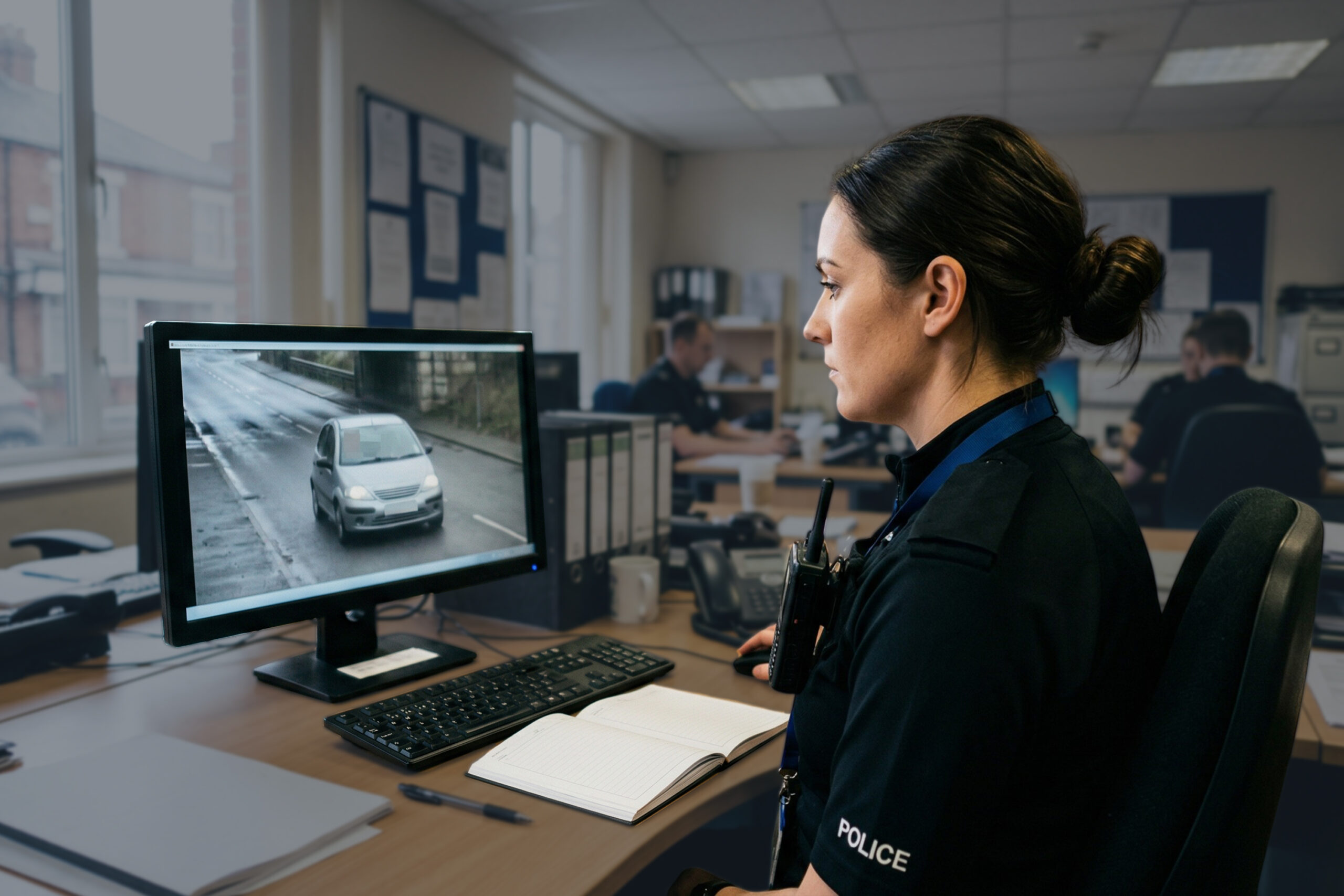
    Police frequently rely on Automatic Number Plate Recognition (ANPR) systems. 

    These systems automatically scan number plates and compare them against national databases. 

    If a vehicle is linked to a disqualified driver, officers may stop the vehicle to investigate further. 

    ANPR technology is widely used by police forces across the UK to detect: 

    • Uninsured vehicles 
    • Unlicensed drivers 
    • Disqualified drivers. 

    What Happens After You Are Arrested?

    If police suspect you of driving whilst disqualified, several steps may follow. 

    Arrest and Interview

    You may be arrested and taken to a police station where: 

    • Your details will be recorded 
    • Fingerprints and photographs may be taken 
    • You may be interviewed under caution 

    What you say during this interview may later be used as evidence in court. 

    Charge or Postal Requisition

    After the investigation, the police may: 

    • Formally charge you with the offence, or 
    • Issue a postal requisition requiring you to attend court

    The case will normally be heard in the Magistrates’ Court.

    Although the offence may appear straightforward, legal defences can arise in certain circumstances. 

    Examples may include: 

    Lack of Knowledge of Disqualification

    If a driver genuinely did not know they were disqualified, this may be relevant. 

    However, proving lack of knowledge can be difficult. 

    Not Driving on a Public Road

    The law generally applies when a vehicle is driven on a road or other public place

    There may be arguments about whether the location qualifies as a public place. 

    For example, some private land open to the public may still fall within the definition. 

    Identity Issues

    In some cases, the prosecution must prove who was actually driving the vehicle

    If there is uncertainty about the driver’s identity, the defence may challenge the evidence.

    Driving whilst disqualified cases often involve: 

    • Complex evidence 
    • Previous motoring convictions 
    • Sentencing risks 

    A solicitor experienced in motoring offence defence can: 

    • Review the prosecution evidence 
    • Assess potential legal defences 
    • Prepare mitigation for sentencing 
    • Represent you in court proceedings 

    Legal advice can be particularly important if there is a risk of imprisonment or a lengthy further driving ban

    Speak to a Motoring Offence Solicitor

    If you have been accused of driving whilst disqualified, it is important to obtain legal advice as soon as possible. 

    A conviction can result in: 

    • Imprisonment 
    • A further disqualification 
    • A criminal record 

    Experienced legal representation can help ensure your case is properly prepared and your position clearly presented before the court. 

    If you require advice regarding a driving whilst disqualified allegation, contact Ashmans Solicitors to discuss your situation with a member of the defence team.

    You can also email us on enquiries@ashmanssolicitors.com or complete our Online Enquiry Form and we’ll be in touch soon.


    Search our legal articles

    Free expert guidance on criminal law, your rights, and what to expect at every stage.

    Searching Legal Help Hub articles

  • Causing Death by Dangerous Driving in the UK: Law, Sentencing and Legal Defence

    Causing Death by Dangerous Driving in the UK: Law, Sentencing and Legal Defence

    Causing Death by Dangerous Driving UK

    Strategic Advice
    Client-Focussed
    Proven Record
    Strategic Advice
    Client-Focussed
    Proven Record
    Strategic Advice
    Client-Focussed
    Proven Record

    Understanding how the law defines dangerous driving, how courts approach sentencing, and what legal defences may be available is essential for anyone facing an allegation of this nature. 

    This guide explains the offence of causing death by dangerous driving under UK law, the penalties involved, and how criminal defence solicitors approach these cases.

    What Is Causing Death by Dangerous Driving?

    Causing death by dangerous driving occurs when a person drives a mechanically propelled vehicle on a road or public place in a manner that is considered dangerous, and that driving causes the death of another person. 

    The offence is set out in Section 1 of the Road Traffic Act 1988

    Dangerous driving involves conduct that falls far below the standard expected of a competent and careful driver, and where it would be obvious to a reasonable driver that the manner of driving would be dangerous. 

    The prosecution must prove two key elements: 

    • The defendant was driving dangerously
    • That dangerous driving caused the death of another person. 

    Both elements must be established beyond reasonable doubt.

    What Counts as Dangerous Driving?

    Dangerous driving is defined in Section 2A of the Road Traffic Act 1988. A driver’s behaviour is considered dangerous if: 

    • The driving falls far below the standard of a competent and careful driver, and 
    • It would be obvious to a competent and careful driver that driving in that way would be dangerous. 

    Danger can arise from the manner of driving or from the condition of the vehicle. 

    Defence Strategy Causing Death UK

    Examples of Dangerous Driving

    Examples may include: 

    • Excessive speeding in built-up areas 
    • Racing or aggressive driving 
    • Ignoring traffic signals or road signs 
    • Driving while heavily distracted 
    • Driving a vehicle with serious mechanical defects 

    In fatal collision cases, specialist collision investigators and expert evidence are often used to determine exactly how the incident occurred.

    The Law on Causing Death by Dangerous Driving

    The offence is governed by the Road Traffic Act 1988, which sets out the legal framework for dangerous driving offences in England and Wales. 

    Courts consider several factors when determining whether driving was dangerous, including: 

    • Speed and road conditions 
    • Visibility and traffic levels 
    • The driver’s actions immediately before the collision 
    • The condition of the vehicle 

    The prosecution will often rely on evidence such as: 

    • Collision investigation reports 
    • CCTV or dash-cam footage 
    • Witness statements 
    • Vehicle data and telematics 
    • Expert reconstruction analysis 

    Because of the complexity of fatal road traffic cases, detailed forensic investigation is usually carried out before charges are brought.

    Sentencing for Causing Death by Dangerous Driving

    Sentencing for this offence is determined by the courts using the Sentencing Council guidelines

    These guidelines require judges to assess the level of culpability and the seriousness of the offence

    Maximum Sentence

    The offence carries a maximum sentence of life imprisonment

    In addition to custody, courts will also impose: 

    • Mandatory driving disqualification 
    • A requirement to pass an extended driving test before driving again 

    Sentencing Guidelines

    Sentences vary depending on the seriousness of the driving and the circumstances of the case. 

    Factors that may increase the seriousness include: 

    • Extremely dangerous driving 
    • Driving while using a mobile phone 
    • Driving while under the influence of alcohol or drugs 
    • Ignoring warnings or previous convictions 

    Mitigating factors may include: 

    • Genuine remorse 
    • Attempts to assist at the scene 
    • Lack of previous offending 

    Each case is assessed individually, and sentencing depends heavily on the facts established in court. 

    Possible Defences to the Charge

    Defending allegations of causing death by dangerous driving requires careful examination of the evidence and circumstances surrounding the incident.

    Potential defence arguments may include: 

    Driving Was Not Dangerous

    The defence may challenge the prosecution’s claim that the driving fell far below the required standard. 

    Expert evidence may show that the driving was not legally dangerous

    Causation Issues

    The prosecution must prove that the dangerous driving caused the death

    If other factors contributed to the fatality, causation may be disputed. 

    Mechanical Failure

    In some cases, a sudden mechanical fault may have caused the loss of control of the vehicle. 

    Errors in Collision Investigation

    Fatal collision cases often rely heavily on expert reconstruction evidence. 

    Defence teams may instruct independent experts to review the investigation and identify inaccuracies or assumptions. 

    How Police Investigate Fatal Road Traffic Collisions

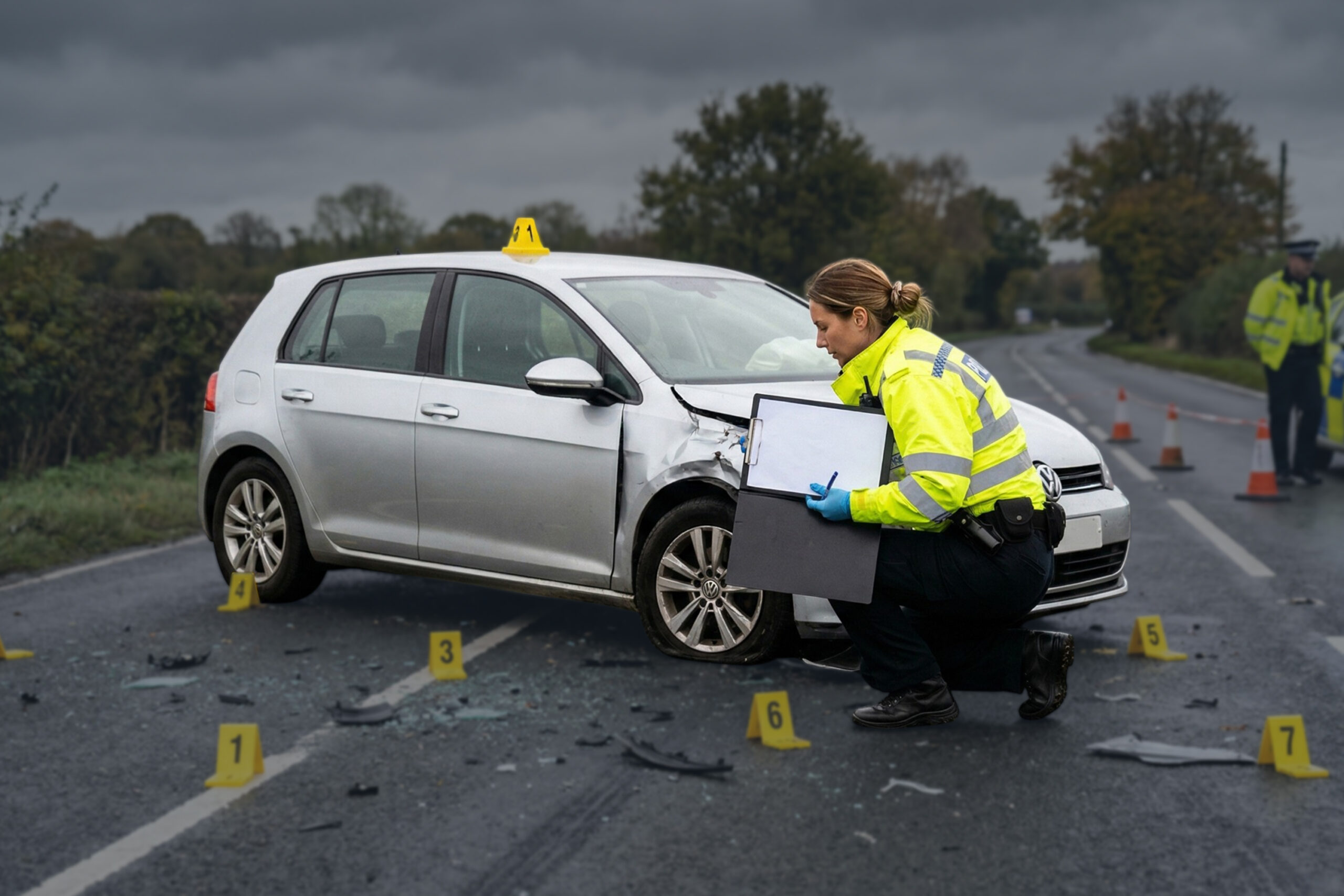
    Fatal collisions are investigated with significant scrutiny. Specialist police collision investigation units are typically involved. 

    Investigations may include: 

    • Detailed scene reconstruction 
    • Vehicle examinations 
    • Forensic evidence collection 
    • Digital evidence analysis 

    Drivers involved in a fatal collision may be interviewed under caution as part of the investigation process. 

    Because statements made during police interviews can have a major impact on a case, legal representation is crucial.

    Why Specialist Criminal Defence Representation Is Important

    Allegations involving fatal road traffic collisions are among the most complex cases within motoring law. 

    These cases frequently involve: 

    • Technical collision reconstruction evidence 
    • Expert witnesses 
    • Detailed legal arguments regarding causation and driving standards 

    Experienced criminal defence solicitors carefully analyse the prosecution evidence and identify potential weaknesses in the case. 

    Early legal advice can play a critical role in ensuring that the investigation and any subsequent court proceedings are handled properly. 

    Being investigated or charged with causing death by dangerous driving is an extremely serious situation. 

    These cases involve detailed legal analysis, complex expert evidence and significant potential penalties. 

    If you are facing allegations relating to a fatal road traffic incident, obtaining advice from experienced criminal defence solicitors is essential in order to understand your legal position and the options available to you.  

    You can also email us on enquiries@ashmanssolicitors.com or complete our Online Enquiry Form and we’ll be in touch soon.


    Search our legal articles

    Free expert guidance on criminal law, your rights, and what to expect at every stage.

    Searching Legal Help Hub articles

  • Can You Get a Driving Ban for Careless Driving in the UK?

    Can You Get a Driving Ban for Careless Driving in the UK?

    Careless Driving Ban UK

    Strategic Advice
    Client-Focussed
    Proven Record
    Strategic Advice
    Client-Focussed
    Proven Record
    Strategic Advice
    Client-Focussed
    Proven Record

    A careless driving conviction can result in penalty points, significant fines and, in some cases, a driving disqualification. Understanding when a careless driving offence can lead to a ban is essential if you are facing an investigation or court proceedings. 

    Motoring offences can have a lasting impact on your licence, insurance and professional life. If you are accused of careless driving, it is important to understand how the law works and how the courts determine penalties. 

    What is Careless Driving?

    Careless driving occurs when the standard of a person’s driving falls below what would be expected of a competent and careful driver

    This definition is established under Section 3 of the Road Traffic Act 1988

    The law focuses on whether the driver’s behaviour created a risk or demonstrated a lack of attention, rather than whether the driver intended to drive dangerously. 

    Careless driving is therefore different from dangerous driving, which involves a significantly higher level of risk. 

    What Are the Penalties for Careless Driving in the UK?

    The penalties for careless driving vary depending on the seriousness of the incident and the circumstances of the case. 

    Courts consider several factors, including the level of risk created, whether other road users were affected and whether any damage or injury occurred. 

    Penalty Points

    A conviction for careless driving usually results in 3 to 9 penalty points on a driving licence. 

    The number of points imposed will depend on the seriousness of the offence. 

    For example: 

    • Minor incidents may result in 3 or 4 points 
    • More serious cases may attract 7 to 9 points 

    Penalty points remain on a driving record and may significantly increase insurance costs. 

    Financial Penalties

    Careless driving can also lead to a substantial financial penalty. 

    Courts determine the level of fine based on the seriousness of the offence and the driver’s financial circumstances. 

    Fines can reach several thousand pounds in more serious cases, particularly if the case proceeds to court. 

    Additional court costs and a statutory surcharge may also be imposed. 

    Driving Disqualification

    In certain circumstances, the court may impose a driving disqualification instead of penalty points. 

    This means the driver will be banned from driving for a specified period. 

    Disqualification is more likely where: 

    • The driving created significant danger 
    • The offence involved aggressive or highly careless behaviour 
    • The driver already has a poor driving record

    Defence Strategy Careless Driving Ban

    When Can Careless Driving Lead to a Driving Ban?

    Although many careless driving cases result in penalty points, the courts do have the power to impose a driving ban

    The decision to disqualify a driver will usually depend on the seriousness of the conduct involved. 

    A ban may be considered where: 

    • The driving created a high level of risk 
    • Multiple vehicles were involved 
    • Pedestrians or cyclists were endangered 
    • There was significant damage 
    • The driver has previous motoring convictions 

    Courts follow guidance issued by the Sentencing Council when determining appropriate penalties. 

    More serious careless driving offences may justify immediate disqualification, particularly where the behaviour borders on dangerous driving.

    Examples of Careless Driving

    Careless driving can arise in many different situations on the road. 

    Common examples include: 

    • Using a mobile phone while driving 
    • Failing to observe traffic signals 
    • Driving too close to another vehicle 
    • Misjudging overtaking manoeuvres 
    • Emerging from junctions without proper observation 
    • Driving while distracted 

    Even relatively brief lapses in attention can result in prosecution if they create a risk to other road users.

    How Courts Decide Careless Driving Cases

    When a careless driving case reaches court, magistrates will consider the evidence presented by the prosecution

    This may include: 

    • Witness statements 
    • Police officer observations 
    • Dashcam footage 
    • CCTV footage 
    • Accident reconstruction evidence 

    The court will then determine whether the driver’s behaviour fell below the standard expected of a careful and competent driver. 

    If the court finds the allegation proven, it will then determine the appropriate penalty using the Sentencing Council’s guidelines for driving offences

    Factors that may increase the seriousness of the offence include: 

    • Poor road conditions 
    • High traffic levels 
    • Excessive speed 
    • Carrying passengers 
    • Previous driving offences 

    Defending a Careless Driving Allegations

    Being accused of careless driving does not automatically mean a conviction will follow. 

    Many cases involve complex factual disputes about what occurred on the road. 

    Possible defence arguments may include: 

    • The driving standard did not fall below the legal threshold 
    • The prosecution evidence is unreliable 
    • Witness accounts are inconsistent 
    • External factors caused the incident 

    Each case must be examined carefully, including reviewing all available evidence and assessing the prosecution case.

    Motoring offences can have serious consequences for drivers, particularly where a disqualification is possible. 

    A conviction can affect employment, insurance premiums and future driving eligibility. 

    Experienced legal representation can help by: 

    • Carefully reviewing the prosecution evidence 
    • Identifying weaknesses in the case 
    • Presenting mitigation to the court 
    • Protecting your driving licence wherever possible 

    If you are facing a careless driving allegation, obtaining advice from experienced criminal defence solicitors at an early stage can be crucial. 

    A solicitor can assess your case and guide you through the legal process while protecting your legal rights. 

    Speak to a Criminal Defence Solicitor

    If you are facing an allegation of careless driving, obtaining legal advice as early as possible can make a significant difference to the outcome of your case. 

    Motoring offence prosecutions can involve complex legal and evidential issues. An experienced criminal defence solicitor can carefully review the evidence, advise you on your legal position and represent you in court if necessary. 

    Contact our criminal defence team to discuss your case and receive clear legal guidance on the next steps.  

    You can also email us on enquiries@ashmanssolicitors.com or complete our Online Enquiry Form and we’ll be in touch soon.


    Search our legal articles

    Free expert guidance on criminal law, your rights, and what to expect at every stage.

    Searching Legal Help Hub articles

  • Can You Be Prosecuted for a Motoring Offence If You Were Not Driving?

    Can You Be Prosecuted for a Motoring Offence If You Were Not Driving?

    Motoring Offence Prosecution UK

    Strategic Advice
    Client-Focussed
    Proven Record
    Strategic Advice
    Client-Focussed
    Proven Record
    Strategic Advice
    Client-Focussed
    Proven Record

    However, problems can arise when the authorities believe that a particular person was responsible for a vehicle offence, even though they were not the person driving at the time

    This situation often raises an important legal question:

    Can You Be Prosecuted for a Motoring Offence If You Were Not Driving the Vehicle?

    The answer depends on the circumstances of the case, the evidence available to the prosecution, and the legal obligations placed on the vehicle’s registered keeper. 

    Understanding how the law works is crucial if you are facing a motoring allegation.

    Can You Be Prosecuted for a Motoring Offence If You Were Not the Driver?

    In most cases, a motoring offence requires the prosecution to prove that you were the person driving the vehicle at the time of the alleged offence

    For example, offences such as:

    • Speeding 
    • Careless driving 
    • Dangerous driving 
    • Driving while using a mobile phone 

    All require proof of driver identity. 

    If the prosecution cannot establish that you were the driver, it will usually be difficult for them to secure a conviction. 

    However, this does not mean that you cannot face legal consequences if the authorities believe you are connected to the offence. 

    This is because UK law places specific responsibilities on the registered keeper of a vehicle

    Defence Strategy Motoring Offence Prosecution

    What Is a Section 172 Driver Identification Notice?

    One of the most important provisions in motoring law is Section 172 of the Road Traffic Act 1988. 

    When the police suspect that a vehicle has been involved in a motoring offence, they may send a formal notice to the registered keeper asking them to identify the driver. 

    This notice is commonly known as a Section 172 notice

    The recipient is legally required to provide information that will help identify who was driving the vehicle at the time of the alleged offence. 

    Failure to respond properly can lead to a separate criminal offence. 

    If you are the registered keeper of a vehicle, you must respond to the notice within the time limit provided. 

    This typically involves confirming:

    • Who was driving the vehicle 
    • The address of the driver 
    • Any relevant details requested by the police

    If the information is not provided, the authorities may prosecute the registered keeper for failing to identify the driver

    This offence can carry serious penalties. 

    How the Police Identify the Driver

    Where the police investigate a motoring offence, they will rely on available evidence to determine who was responsible. 

    This may include several types of evidence

    Camera Evidence

    Speed cameras and traffic cameras often capture images of the vehicle involved in an alleged offence. 

    However, these images may not always clearly show the driver. 

    Where the image is unclear, the authorities may rely on the registered keeper to provide driver details. 

    Witness Evidence

    In some cases, witnesses or police officers may have seen the vehicle and the driver. 

    Witness testimony can sometimes be used to support the prosecution case. 

    Admissions or Statements

    If a person admits they were driving, this can become important evidence. 

    Statements made during police enquiries may be relied upon by the prosecution in court.

    What Happens If You Cannot Identify the Driver?

    There are situations where the registered keeper genuinely does not know who was driving the vehicle. 

    For example:

    • Several family members may have access to the vehicle 
    • Employees may use a company vehicle 
    • The offence may have occurred some time before the notice was received 

    In such circumstances, the law still expects the registered keeper to exercise reasonable diligence in identifying the driver. 

    This means taking reasonable steps to work out who was responsible. 

    Examples might include: 

    • Checking diaries or work schedules 
    • Reviewing insurance records 
    • Discussing the matter with other potential drivers 

    If the court believes that reasonable steps were taken but the driver genuinely could not be identified, a defence may be available.

    Possible Defences If You Are Wrongly Accused

    Several defences may arise where a person is accused of a motoring offence despite not being the driver. 

    These can include: 

    Incorrect Identification

    The prosecution must prove beyond reasonable doubt that you were the driver. 

    If the evidence is weak or unreliable, the allegation may be challenged. 

    Insufficient Evidence

    Camera images or witness evidence may not clearly establish driver identity. 

    In such cases the prosecution may struggle to prove the case. 

    Reasonable Diligence Defence

    Where a registered keeper cannot identify the driver despite making genuine efforts to do so, this may form a legal defence to a Section 172 allegation. 

    Each case depends heavily on its individual facts. 

    Penalties for Failing to Identify the Driver

    If the court finds that a person failed to comply with a Section 172 notice without a valid defence, the penalties can be significant. 

    Possible consequences include: 

    • Penalty points on your driving licence 
    • A financial penalty 
    • Increased insurance costs 

    In many cases, the penalty for failing to identify the driver can be more severe than the original alleged offence

    For that reason, these cases must be approached carefully. 

    Motoring law can be complex, particularly when the issue of driver identification arises. 

    Many people assume that if they were not driving, they cannot face legal consequences. Unfortunately, that is not always the case. 

    A solicitor can:

    • Assess the evidence in the prosecution case 
    • Determine whether the driver has been correctly identified 
    • Advise on possible legal defences 
    • Represent you in court proceedings 

    Early legal advice can often make a significant difference to the outcome of a motoring case. 

    If you are facing prosecution for a motoring offence or have received a notice requiring you to identify a driver, obtaining legal advice promptly can help protect your position and ensure the matter is handled properly. 

    You can also email us on enquiries@ashmanssolicitors.com or complete our Online Enquiry Form and we’ll be in touch soon.


    Search our legal articles

    Free expert guidance on criminal law, your rights, and what to expect at every stage.

    Searching Legal Help Hub articles

  • Can Police Take a Blood Sample in Hospital for Drink Driving?

    Can Police Take a Blood Sample in Hospital for Drink Driving?

    Blood Sample Hospital UK

    Strategic Advice
    Client-Focussed
    Proven Record
    Strategic Advice
    Client-Focussed
    Proven Record
    Strategic Advice
    Client-Focussed
    Proven Record

    Hospital drink driving cases are legally complex. The procedures followed by the police differ from the usual breath tests carried out at the roadside or police station. Strict rules apply regarding consent, medical approval and how samples are collected and tested. 

    Failure to follow the correct procedure can significantly affect whether the evidence is admissible in court. 

    This guide explains how drink driving blood samples taken in hospital work under the law in England and Wales.

    When Can Police Request a Blood Sample for Drink Driving?

    Under UK drink driving law, the police can require a driver to provide a specimen of breath, blood or urine when investigating suspected alcohol-related driving offences. 

    Normally, breath tests are carried out: 

    • At the roadside, or 
    • At a police station using an evidential breathalyser. 

    However, if a driver has been injured and taken to hospital, breath testing may not be possible. In these circumstances, the police may request a blood specimen instead.  

    This situation commonly arises following: 

    • Road traffic collisions 
    • Serious injuries 
    • Situations where medical treatment is required 
    • Circumstances where a driver cannot provide breath. 

    Can the Police Take Blood While You Are a Hospital Patient?

    Yes. The police can request a blood sample while you are receiving treatment in hospital. However, additional legal safeguards apply. 

    Medical practitioner approval

    The first requirement is that a doctor or medical practitioner responsible for your care must confirm that providing a sample would not interfere with your treatment

    If the doctor believes that taking blood could be harmful or interfere with urgent medical care, the police cannot proceed

    In most cases, the police must also obtain your consent before the blood sample can be taken and analysed. 

    Before requesting the sample, officers must provide a statutory warning explaining that: 

    • They require a specimen of blood; and 
    • Failure to provide a specimen may result in prosecution

    This warning is an important part of the legal process. 

    Defence Strategy BlooD Sample Hospital

    Hospital blood tests for drink driving must follow strict procedures

    Who can take the sample

    The blood must be taken by an approved healthcare professional, such as: 

    • A doctor 
    • A nurse 
    • Another qualified medical practitioner. 

    Police officers themselves cannot take the sample. 

    Number of samples

    Typically, the practitioner will draw two separate blood samples

    One sample is sent to a laboratory for analysis, while the other should be offered to the suspect for independent testing if required

    Laboratory testing rules

    Strict forensic procedures apply when analysing blood samples. 

    These include: 

    • Secure storage of the specimen 
    • Proper labelling and sealing 
    • Transport to an approved laboratory 
    • Calibration and maintenance of testing equipment. 

    Any issues in the chain of custody or testing process may raise questions about the reliability of the results.

    Following a serious accident, a driver may be unconscious or lack the capacity to give consent

    In these circumstances: 

    • A blood sample may still be taken if a medical practitioner approves; 
    • However, the sample cannot be analysed until the driver regains capacity and consents to testing

    Once the driver is capable of understanding the request, the police must explain: 

    • That a sample has already been taken; and 
    • That they require permission for it to be analysed. 

    If consent is then refused without reasonable excuse, the driver may face allegations of failing to provide a specimen

    Can You Refuse a Blood Test in Hospital? 

    Refusing to provide a blood sample when lawfully required can lead to prosecution

    The offence is commonly referred to as failing to provide a specimen

    However, there are limited circumstances where refusal may be justified. 

    Examples may include: 

    • Genuine medical reasons 
    • Physical inability to provide the sample 
    • Severe needle phobia in rare cases. 

    Each case depends heavily on the facts and supporting medical evidence. 

    What Happens After You Leave Hospital?

    Once you are discharged from hospital, you are no longer considered a patient. 

    At that point: 

    • Police procedures revert to standard drink driving procedures
    • Officers may request breath, blood or urine samples without needing a doctor’s approval. 

    If the police continue their investigation, you may later be: 

    • Released under investigation 
    • Asked to attend a police station 
    • Charged with a drink driving offence. 

    Common Police Procedure Errors in Hospital Drink Driving Cases

    Hospital drink driving cases often involve complex procedures, and mistakes can occur. 

    Examples of issues that may arise include: 

    • Failure to obtain proper medical approval 
    • Inadequate statutory warning before requesting a specimen 
    • Improper collection or labelling of samples 
    • Delays in sending samples to the laboratory 
    • Issues with forensic testing equipment. 

    If procedural rules are not followed, it may be possible to challenge the reliability or admissibility of the evidence.

    How a Solicitor Can Challenge Hospital Blood Test Evidence

    Drink driving allegations based on hospital blood samples often involve detailed technical evidence. 

    A defence solicitor may examine: 

    • Police witness statements 
    • Hospital medical records 
    • Laboratory analysis certificates 
    • Forensic procedures used during testing. 

    In some cases, these investigations reveal errors or procedural breaches that affect the prosecution’s case. 

    Careful legal analysis is often crucial in determining whether the evidence is reliable and whether the correct procedures were followed. 

    Speak to a Motoring Offence Defence Solicitor

    If you are facing allegations of drink driving following a hospital blood test, it is important to obtain legal advice as soon as possible. 

    Hospital cases frequently involve complex procedural rules, medical evidence and forensic testing issues. A solicitor can review the evidence, identify any procedural irregularities and advise you on the best way to respond to the allegation. 

    Early legal advice can be critical in understanding your position and preparing an effective defence. 

    You can also email us on enquiries@ashmanssolicitors.com or complete our Online Enquiry Form and we’ll be in touch soon.


    Search our legal articles

    Free expert guidance on criminal law, your rights, and what to expect at every stage.

    Searching Legal Help Hub articles

  • Common Driving Offences in the UK and Their Penalties

    Common Driving Offences in the UK and Their Penalties

    Common Driving Offences UK

    Strategic Advice
    Client-Focussed
    Proven Record
    Strategic Advice
    Client-Focussed
    Proven Record
    Strategic Advice
    Client-Focussed
    Proven Record

    Many road traffic offences result in penalty points, fines or even a driving disqualification. In more serious cases, offences such as dangerous driving can lead to criminal convictions and imprisonment. 

    Understanding the most common driving offences in the UK can help motorists recognise the potential legal consequences of their actions and the importance of seeking legal advice if they are accused of an offence. 

    What Is a Motoring Offence Under UK Law?

    A motoring offence occurs when a driver breaches road traffic legislation while using or being in charge of a vehicle. 

    These offences can range from relatively minor matters, such as speeding, to very serious allegations including causing death by dangerous driving. 

    The law governing motoring offences is primarily contained within the Road Traffic Act 1988, which sets out offences relating to driver conduct, vehicle standards and road safety. 

    Motoring offences are usually dealt with in the Magistrates’ Court, although the most serious cases may be heard in the Crown Court.

    How Penalty Points and Driving Bans Work

    Many driving offences result in penalty points being endorsed on a driver’s licence

    The number of points depends on the seriousness of the offence. 

    For example: 

    • Minor speeding offences may carry 3 penalty points
    • More serious offences can result in 6 to 11 points.

    Comming Driving Offences Explained

    The Totting-Up System

    If a driver accumulates 12 or more penalty points within three years, they will normally face a minimum six-month driving disqualification

    This is known as the totting-up ban

    New drivers face stricter rules. If they receive 6 or more points within two years of passing their test, their licence may be revoked and they must pass their driving test again. 

    10 Common Driving Offences in the UK

    Below are some of the most common motoring offences prosecuted in England and Wales

    Speeding Offences

    Speeding is one of the most common road traffic offences in the UK. 

    Drivers may be issued with: 

    • £100 fixed penalty 
    • 3 penalty points 

    More serious speeding offences may be prosecuted in court, where the penalties can include larger fines or a short driving disqualification.  

    Using a Mobile Phone While Driving

    It is a criminal offence to use a hand-held mobile phone while driving

    This includes texting, calling or interacting with apps while the vehicle is in use. 

    The usual penalty is: 

    • 6 penalty points 
    • £200 fine 

    In serious cases the court may impose a driving ban.  

    Driving Without Insurance

    Driving without valid motor insurance is a serious offence. 

    If caught, drivers may receive: 

    • 6 penalty points 
    • £300 fixed penalty 

    Courts can also impose larger fines and disqualification. In some cases, vehicles may be seized by the police.  

    Careless Driving

    Careless driving also known as driving without due care and attention occurs when a driver’s standard of driving falls below what would be expected of a competent driver. 

    Examples include: 

    • Tailgating 
    • Failing to observe traffic conditions 
    • Distractions while driving 

    Penalties can include 3 to 9 penalty points, fines or disqualification.  

    Dangerous Driving

    Dangerous driving involves driving that falls far below the expected standard and creates an obvious risk of danger. 

    This offence is significantly more serious than careless driving and can lead to: 

    • Lengthy driving bans 
    • Unlimited fines 
    • Imprisonment 

    Drink Driving

    Driving while over the legal alcohol limit is a criminal offence. 

    Penalties can include: 

    • minimum 12-month driving ban 
    • Unlimited fines 
    • Imprisonment in serious cases 

    Drug Driving

    Driving while impaired by drugs including illegal drugs or certain prescription medications is also an offence. 

    Drivers may face: 

    • Disqualification 
    • Fines 
    • A criminal record 

    Failing to Stop After an Accident 

    Drivers involved in a road traffic accident must stop and provide their details if required. 

    Failing to do so can lead to: 

    • Penalty points 
    • Fines 
    • Prosecution in court. 

    Driving Without a Licence

    Driving without the correct licence or while disqualified is a serious offence. 

    Penalties can include: 

    • Penalty points 
    • Fines 
    • Potential imprisonment. 

    Failing to Identify the Driver

    Vehicle owners must identify the driver of a vehicle if requested by the police following a suspected offence. 

    Failure to do so can result in 6 penalty points and a fine.

    What Happens If You Are Charged With a Motoring Offence?

    If you are accused of a driving offence, the case may be dealt with in one of two ways: 

    • Fixed penalty notice 
    • Court summons 

    In court proceedings, the prosecution must prove the offence beyond reasonable doubt. 

    Depending on the circumstances, a driver may have a legal defence or grounds to challenge the evidence.

    How a Motoring Defence Solicitor Can Help

    Being accused of a motoring offence can have serious consequences, particularly if your ability to drive affects your employment or daily life. 

    A specialist motoring defence solicitor can: 

    • Review the evidence against you 
    • Identify potential legal defences 
    • Advise on likely outcomes 
    • Represent you in court 

    Early legal advice can often make a significant difference to the outcome of a case. 

    If you are facing a driving offence investigation or prosecution, obtaining professional legal advice at the earliest opportunity is essential.

    You can also email us on enquiries@ashmanssolicitors.com or complete our Online Enquiry Form and we’ll be in touch soon.


    Search our legal articles

    Free expert guidance on criminal law, your rights, and what to expect at every stage.

    Searching Legal Help Hub articles