
Strategic Advice
Client-Focussed
Proven Record
Strategic Advice
Client-Focussed
Proven Record
Strategic Advice
Client-Focussed
Proven Record

Offence Category: Motoring Offences

  • Motoring Offence Solicitors in Sheffield

    Motoring Offence Solicitors in Sheffield

    Motoring Offences Solicitors Sheffield
    Strategic Advice
    Client-Focussed
    Proven Record
    Strategic Advice
    Client-Focussed
    Proven Record
    Strategic Advice
    Client-Focussed
    Proven Record

    What Is a Motoring Offence?

    A motoring offence is a criminal offence committed while driving or using a motor vehicle. These offences are governed by legislation such as the Road Traffic Act 1988

    Motoring offences range from relatively minor infractions to serious offences involving dangerous driving or alcohol. 

    Common consequences include: 

    • Penalty points on your licence 
    • Financial penalties 
    • Driving bans 
    • Increased insurance costs 
    • In serious cases, imprisonment. 

    Some offences are dealt with by way of fixed penalty notices, while others require a court appearance.

    Common Motoring Offences in Sheffield

    Drivers in Sheffield may face a wide range of road traffic allegations. 

    Speeding Offences

    Speeding is one of the most common motoring offences. Drivers may receive: 

    • A fixed penalty notice 
    • Penalty points 
    • A court summons for higher speeds. 

    Speeding cases often involve evidence from speed cameras or police detection equipment

    A solicitor may examine whether: 

    • The device was correctly calibrated 
    • The identification of the vehicle is reliable 
    • Correct legal procedures were followed. 

    Drink Driving Offences

    Drink driving is treated very seriously by the courts. 

    A conviction can lead to: 

    • Mandatory driving disqualification 
    • Significant fines 
    • Possible imprisonment in serious cases. 

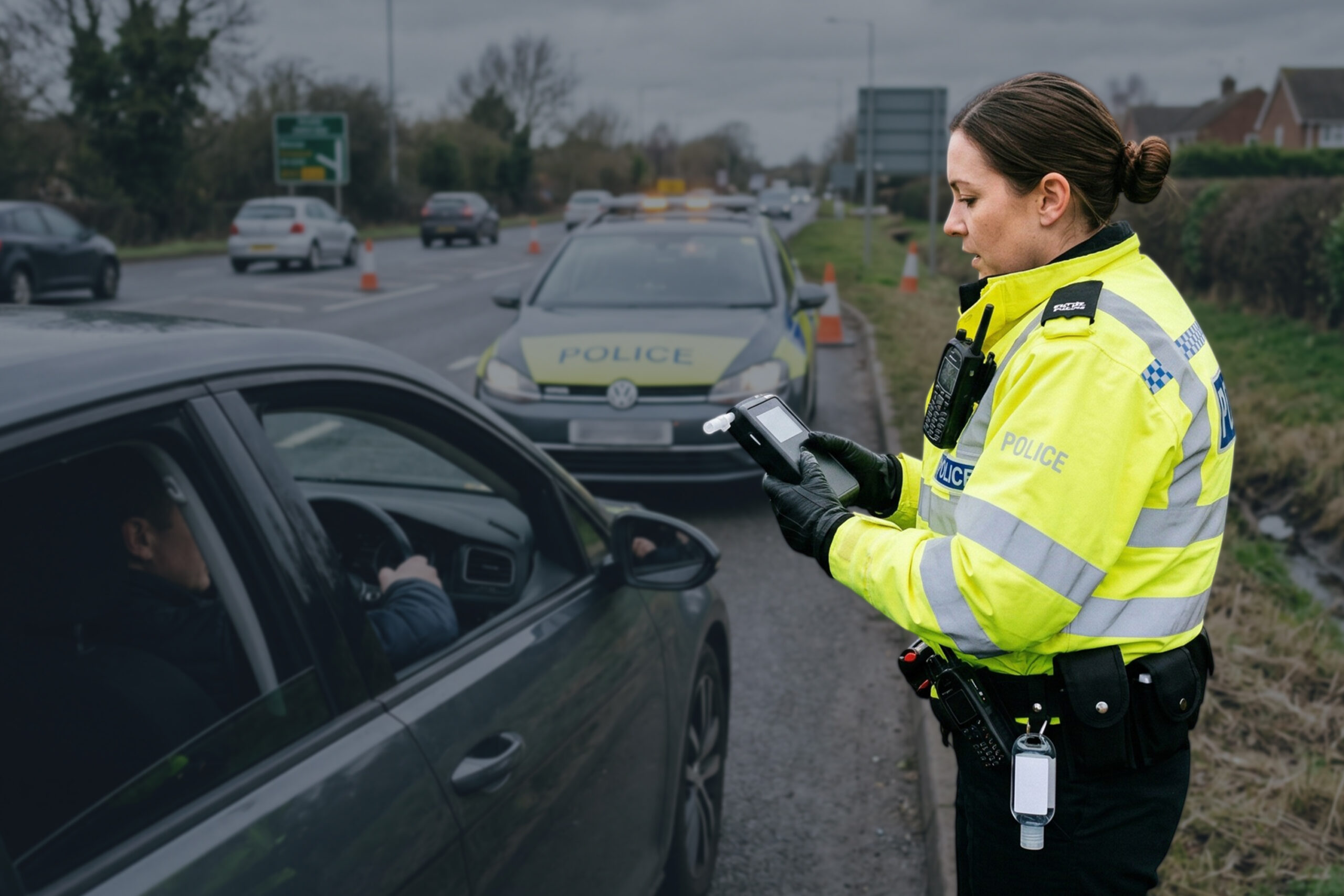
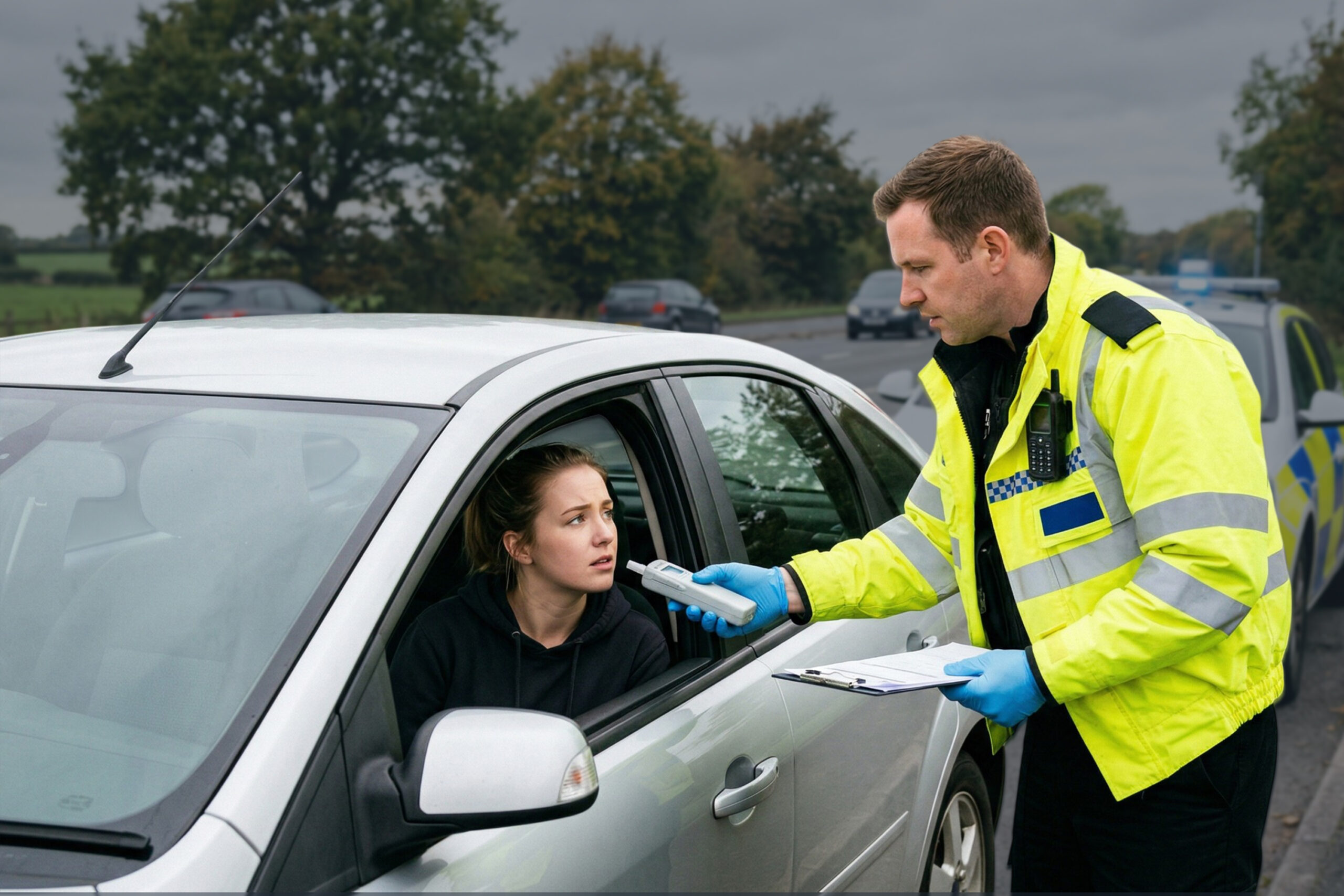
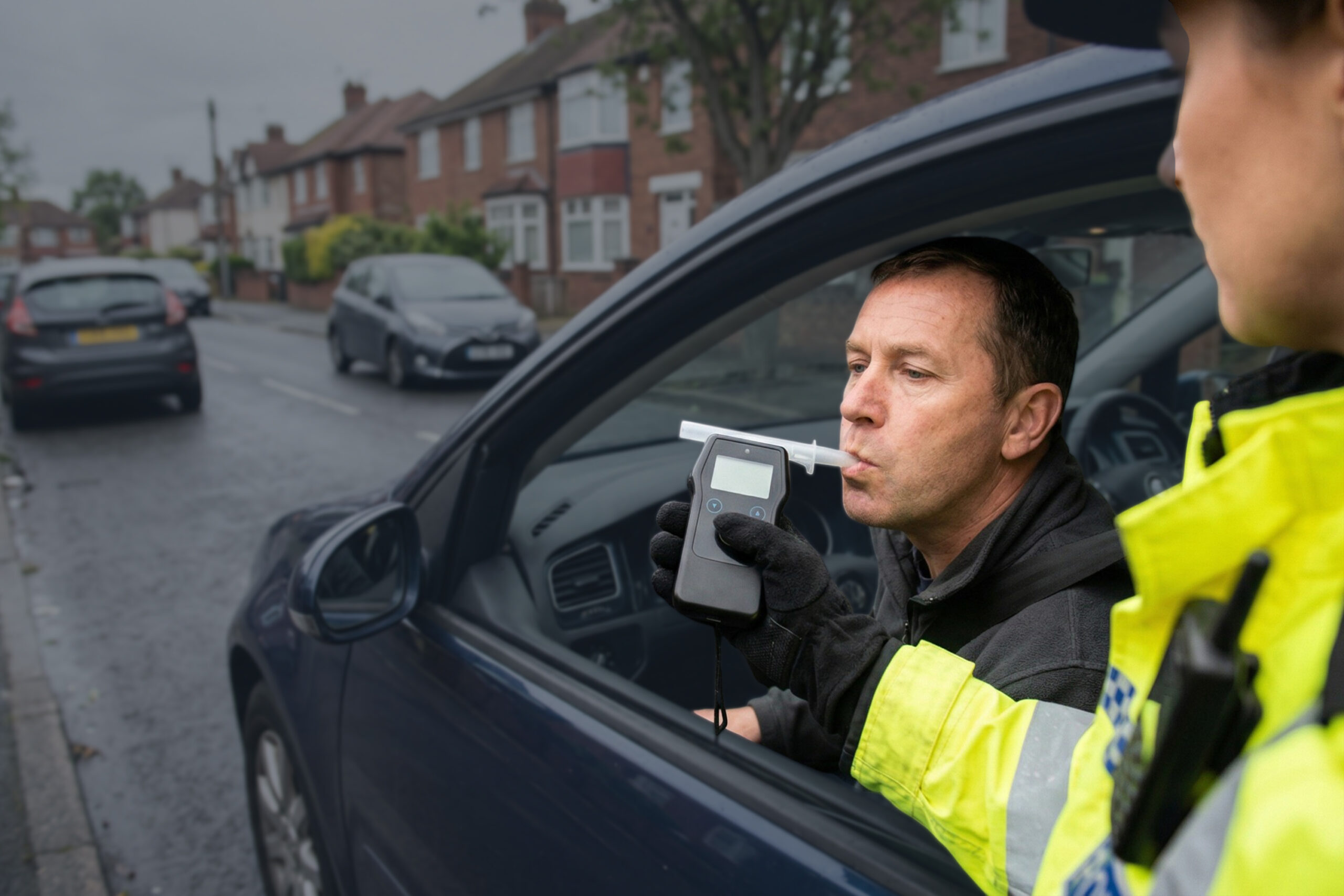
    These cases typically involve breath, blood or urine testing carried out by police officers. 

    Legal advice may be required to examine whether testing procedures were conducted correctly. 

    Dangerous Driving

    Dangerous driving is one of the most serious motoring offences. 

    A driver may be charged if their driving falls far below the standard expected of a competent driver and creates an obvious danger to others. 

    Penalties can include: 

    • Lengthy driving disqualification 
    • Substantial fines 
    • Imprisonment. 

    Careless Driving

    Careless driving (also known as driving without due care and attention) occurs when a driver’s behaviour falls below the standard expected of a competent driver. 

    Examples may include: 

    • Failing to observe traffic signals 
    • Distraction while driving 
    • Poor maneuvers. 

    Although less serious than dangerous driving, the consequences can still be significant. 

    Driving Without Insurance

    Driving without valid insurance is a strict liability offence. 

    If convicted, drivers may face: 

    • Penalty points 
    • Fines 
    • Potential vehicle seizure. 

    Legal advice may be necessary where there are disputes about policy validity or insurance cover.

    Defence Strategy Motoring Offences

    Penalties for Motoring Offences

    Penalties vary depending on the type and seriousness of the offence. 

    Courts consider factors such as: 

    • The nature of the offence 
    • Driving history 
    • Level of risk posed to the public 
    • Aggravating or mitigating circumstances. 

    Possible penalties include: 

    • Penalty points 
    • Financial penalties 
    • Driving disqualification 
    • Community orders 
    • Imprisonment for serious offences 

    Sentencing for motoring offences is guided by the Sentencing Council guidelines, which courts follow when determining appropriate penalties. 

    How a Motoring Offence Solicitor Can Help

    Specialist legal advice can be extremely important if you are accused of a motoring offence. 

    A solicitor can assist by: 

    Reviewing the Evidence

    This includes examining: 

    • Police witness statements 
    • Camera evidence 
    • Forensic testing 
    • Procedural compliance. 

    Identifying weaknesses in the prosecution case may form the basis of a defence. 

    Advising on Possible Defences

    Each case is different. Possible defence strategies may involve: 

    • Challenging the accuracy of speed detection 
    • Disputing identification of the driver 
    • Procedural irregularities 
    • Evidential weaknesses. 

    A solicitor will assess the strength of the prosecution case and advise accordingly. 

    Representation in Court

    Many motoring offences are heard in the Magistrates’ Court

    A solicitor can: 

    • Prepare your case 
    • Present legal arguments 
    • Challenge prosecution evidence 
    • Make mitigation submissions to the court. 

    Effective representation can significantly influence the outcome of proceedings. 

    What Happens If Your Case Goes to Court?

    If a case proceeds to court, the process generally involves several stages. 

    First Hearing

    The court will ask for a plea. Depending on the circumstances, the case may conclude at this stage or be listed for trial. 

    Trial

    If a not guilty plea is entered, the court will hear evidence from both the prosecution and defence. 

    Witnesses may be called and evidence examined before the magistrates make their decision. 

    Sentencing

    If the court finds a defendant guilty, sentencing will follow. 

    The court considers: 

    • Sentencing guidelines 
    • The seriousness of the offence 
    • Personal circumstances 
    • Mitigation presented by the defence. 

    Legal representation during this stage is often crucial.

    Why Instruct Specialist Motoring Offence Solicitors in Sheffield?

    Motoring offence cases involve complex legal and evidential issues. 

    Instructing a solicitor with experience in road traffic law ensures that: 

    • Your case is carefully reviewed 
    • Legal defences are fully explored 
    • You receive professional representation in court. 

    Drivers often underestimate the long-term consequences of motoring convictions. Penalty points and disqualification can have serious effects on employment, insurance and personal mobility. 

    Taking early legal advice can help protect your position and ensure you understand your options.

    Contact Our Motoring Offence Solicitors

    If you are facing a motoring offence allegation in Sheffield, obtaining legal advice as early as possible can make a significant difference to your case. 

    Our solicitors regularly represent clients in motoring offence cases and can provide clear guidance on the legal process, possible defences and court proceedings. 

    To discuss your situation with a member of our team, contact our motoring offence solicitors today. 


    Search our legal articles

    Free expert guidance on criminal law, your rights, and what to expect at every stage.

    Searching Legal Help Hub articles

  • Special Reasons Drink Driving: Can Driving a Short Distance Avoid a Ban?

    Special Reasons Drink Driving: Can Driving a Short Distance Avoid a Ban?

    Special Reasons Drink Driving UK

    Strategic Advice
    Client-Focussed
    Proven Record
    Strategic Advice
    Client-Focussed
    Proven Record
    Strategic Advice
    Client-Focussed
    Proven Record

    However, there are limited circumstances where a court may decide not to impose a driving ban. This is usually achieved through a legal argument known as “special reasons not to disqualify.” 

    One situation frequently raised in court is where a person only drove a very short distance while over the legal alcohol limit. Many drivers assume that a short journey automatically prevents disqualification. In reality, the law is more complex. 

    Understanding how special reasons drink driving arguments work is essential if you are facing this type of charge. 

    What Are Special Reasons in Drink Driving Cases?

    The law relating to drink driving disqualification is set out under the Road Traffic Offenders Act 1988, which governs sentencing for motoring offences in England and Wales. 

    Under this legislation, courts normally impose a mandatory disqualification following conviction for drink driving. 

    However, a court may decide not to disqualify a driver if special reasons relating to the offence itself are proven. 

    Special reasons must: 

    • Be a mitigating circumstance directly connected to the offence 
    • Not amount to a full legal defence 
    • Be something the court should properly take into account when sentencing 

    Courts apply this principle carefully, and the burden is on the defendant to prove the special reason on the balance of probabilities

    Can Driving a Short Distance Be a Special Reason?

    In some cases, the fact that a driver travelled only a short distance may be raised as part of a special reasons argument

    However, short distance alone is rarely sufficient

    Courts focus primarily on risk to the public, not simply the length of the journey. 

    Special Reasons Drink Driving Defence UK

    When Courts May Accept This Argument

    A short journey may be considered as part of a special reasons submission where additional circumstances exist, such as: 

    • Moving a vehicle a few metres to remove an obstruction 
    • Driving only to move a car to a safer location 
    • Situations where there was minimal risk to other road users 

    The court will consider the specific circumstances surrounding the incident.

    Situations Where It Usually Fails

    Arguments based purely on distance often fail where: 

    • The driver travelled on a public road 
    • The journey involved normal traffic conditions 
    • There was no urgent reason for driving 
    • The alcohol level was significantly over the legal limit

    In these cases, the court may conclude that the risk created by driving while over the limit outweighs the short distance travelled.

    Examples of Special Reasons Recognised by Courts

    Courts in England and Wales have recognised several types of special reasons in drink driving cases. These include situations where: 

    Genuine Emergency

    A driver may have acted in response to a real emergency requiring immediate action. 

    Spiked Drinks 

    If a driver unknowingly consumed alcohol because their drink was tampered with, this may amount to a special reason. 

    Short Distance with Exceptional Circumstances 

    Driving a short distance might form part of a successful argument if it was necessary to prevent danger or resolve an urgent situation

    Lack of Knowledge

    In rare cases, a driver may genuinely not have realised they were over the legal limit. 

    The Crown Prosecution Service provides guidance on prosecuting drink driving offences and how evidence should be assessed in such cases. 

    Evidence Needed to Argue Special Reasons

    A special reasons argument requires clear and persuasive evidence

    Courts expect the defendant to present detailed information about the circumstances surrounding the offence. 

    Evidence may include: 

    • Witness statements 
    • CCTV footage 
    • Photographs of the location 
    • Expert evidence where relevant 
    • Detailed explanation of the circumstances 

    The court will carefully examine whether the alleged circumstances genuinely reduce the seriousness of the offence

    Drink Driving Penalties in England and Wales

    Drink driving offences carry severe consequences. 

    Sentencing guidance issued by the Sentencing Council for England and Wales outlines the penalties courts may impose. 

    Typical penalties include: 

    • minimum 12-month driving disqualification 
    • An unlimited fine 
    • Possible community order 
    • In more serious cases, imprisonment 

    The length of disqualification increases depending on factors such as: 

    • Alcohol level 
    • Previous convictions 
    • Whether there was an accident 

    Risk posed to other road users  

    Special reasons arguments are highly technical legal submissions

    Courts require clear legal reasoning supported by evidence and relevant case law. 

    A solicitor experienced in motoring offence defence can: 

    • Analyse whether a special reasons argument is realistic 
    • Gather and present evidence effectively 
    • Prepare detailed legal submissions for the court 
    • Challenge weaknesses in the prosecution case 

    Without proper preparation, many defendants struggle to demonstrate the strict criteria required for special reasons.

    Speak to a Drink Driving Defence Solicitor

    If you are facing a drink driving allegation, the consequences can be serious and long-lasting. 

    A conviction may result in disqualification, financial penalties, and a criminal record

    Early legal advice can help you understand: 

    • Your legal position 
    • Possible defences 
    • Whether a special reasons drink driving argument may apply to your case 

    If you require advice about a drink driving offence or potential disqualification, speaking to an experienced criminal defence solicitor can help you understand the options available.

    If you have been accused of drink driving, it is important to understand the following: 

    You can also email us on enquiries@ashmanssolicitors.com or complete our Online Enquiry Form and we’ll be in touch soon.


    Search our legal articles

    Free expert guidance on criminal law, your rights, and what to expect at every stage.

    Searching Legal Help Hub articles

  • Can You Be Banned for Drink Driving if Your Drink Was Spiked?

    Can You Be Banned for Drink Driving if Your Drink Was Spiked?

    Banned for Drink Driving UK

    Strategic Advice
    Client-Focussed
    Proven Record
    Strategic Advice
    Client-Focussed
    Proven Record
    Strategic Advice
    Client-Focussed
    Proven Record

    However, some motorists face allegations after unknowingly consuming alcohol or drugs because their drink was spiked. In these circumstances, a key legal question arises:

    Can You Still Receive a Drink Driving Ban If Your Drink Was Spiked?

    The answer depends on the specific facts of the case and whether the court accepts that “special reasons” exist not to impose a driving disqualification

    Below, we explain how the law deals with drink spiking and drink driving offences in England and Wales. 

    What Is the Drink Driving Law in England and Wales?

    Under the Road Traffic Act 1988, it is a criminal offence to drive or attempt to drive a motor vehicle while over the legal alcohol limit. 

    The legal limits in England and Wales are: 

    • 35 micrograms of alcohol per 100ml of breath 
    • 80 milligrams of alcohol per 100ml of blood 
    • 107 milligrams per 100ml of urine 

    These limits are set out in law and enforced by the police through roadside breath tests and evidential samples taken at a police station. 

    If a driver provides a sample showing alcohol levels above the legal limit, they will usually be charged with a drink driving offence.

    Banned for Spiked Drink Driving Defence Strategy

    What Happens If Your Drink Was Spiked?

    Drink spiking involves adding alcohol, drugs or other substances to a person’s drink without their knowledge or consent

    In recent years, reports of drink spiking incidents have increased, particularly in nightlife environments. However, when a driver is found over the legal limit, the law does not automatically excuse the offence simply because the person claims their drink was spiked. 

    The court will still need to determine: 

    • Whether the driver was over the legal limit 
    • Whether they were driving or attempting to drive 
    • Whether there is credible evidence that their drink was spiked 

    Even if the drink was genuinely spiked, the offence itself may still technically be committed. 

    The key legal issue then becomes whether there are special reasons not to impose a driving ban

    Can Drink Spiking Be a “Special Reasons” Defence?

    In drink driving cases, it is sometimes possible to argue special reasons

    A special reason is not a defence to the charge itself. Instead, it is a legal argument asking the court not to impose the usual mandatory disqualification

    Guidance on sentencing in drink driving cases can be found from the 
    Sentencing Council for England and Wales.

    What Counts as Special Reasons?

    For a court to accept special reasons, four key criteria must usually be satisfied: 

    • The circumstance must be directly connected to the offence
    • It must not amount to a full legal defence
    • It must be mitigating or extenuating
    • The court must consider it just to reduce or avoid disqualification

    A genuinely spiked drink may qualify in certain circumstances because the driver did not knowingly consume alcohol or drugs

    However, the court will look carefully at the surrounding circumstances.

    Evidence Needed

    Simply claiming that a drink was spiked is rarely enough. 

    The court may expect supporting evidence such as: 

    • Witness accounts from friends or bar staff 
    • CCTV footage 
    • Medical or toxicology reports 
    • Evidence about the amount of alcohol consumed 
    • Expert evidence regarding intoxication levels 

    If the court is satisfied that the intoxication occurred without the driver’s knowledge, it may accept the special reasons argument. 

    If successful, the court could: 

    • Avoid imposing a driving ban 
    • Impose a shorter disqualification 
    • Impose a fine or other penalty instead 

    However, these outcomes depend entirely on the case.

    What Penalties Apply for Drink Driving?

    Drink driving penalties in England and Wales are severe. 

    According to government guidance, the maximum penalties include: 

    • A minimum 12-month driving ban 
    • An unlimited fine 
    • Up to 6 months’ imprisonment 
    • A criminal record 

    The exact sentence depends on several factors including: 

    • The level of alcohol in the driver’s system 
    • Whether an accident occurred 
    • Previous driving convictions 
    • The circumstances of the offence

    How Courts Assess Spiked Drink Claims

    Courts approach drink spiking claims cautiously. 

    Magistrates will consider several questions, including: 

    • How likely is it that the drink was spiked? 
    • Did the driver notice unusual symptoms? 
    • Did they continue drinking after feeling unwell? 
    • Is there evidence supporting the claim? 

    The credibility of the explanation is often crucial. 

    If the court believes the driver knowingly consumed alcohol or should reasonably have realised they were intoxicated, the argument may fail. 

    This is why legal preparation and evidence gathering are extremely important

    How a Drink Driving Solicitor Can Help

    Drink driving cases involving alleged drink spiking can be legally complex. 

    An experienced solicitor can: 

    • Review the evidence against you 
    • Obtain expert toxicology reports 
    • Analyse police procedures and testing methods 
    • Prepare a special reasons argument 
    • Represent you in the Magistrates’ Court 

    In many cases, early legal advice can significantly influence the outcome. 

    If you are facing a drink driving allegation and believe your drink may have been spiked, it is important to obtain legal advice as soon as possible. 

    A specialist defence solicitor can assess the strength of your case and advise you on the best strategy to protect your licence and your future.

    You can also email us on enquiries@ashmanssolicitors.com or complete our Online Enquiry Form and we’ll be in touch soon.


    Search our legal articles

    Free expert guidance on criminal law, your rights, and what to expect at every stage.

    Searching Legal Help Hub articles

  • Can Hand Sanitiser Affect a Drink Driving Breathalyser Test?

    Can Hand Sanitiser Affect a Drink Driving Breathalyser Test?

    Hand Sanitiser Effect Drink Driving UK

    Strategic Advice
    Client-Focussed
    Proven Record
    Strategic Advice
    Client-Focussed
    Proven Record
    Strategic Advice
    Client-Focussed
    Proven Record

    If you are stopped by police on suspicion of drink driving, you may be required to provide a roadside breath test. In some situations, alcohol vapours from hand sanitiser can affect breath testing equipment and potentially lead to inaccurate readings. 

    Understanding how breathalyser tests work and when errors may occur is important if you are facing a drink driving investigation. 

    How Drink Driving Breathalyser Tests Work in the UK

    Drink driving investigations in England and Wales usually begin with a roadside breath test

    Police officers use a handheld device to measure the amount of alcohol in a person’s breath. If the result indicates alcohol above the legal limit, the driver may be arrested and taken to a police station for further testing. 

    At the police station, an evidential breathalyser is used to measure alcohol concentration more accurately. 

    The current legal limit in England and Wales is: 

    • 35 micrograms of alcohol per 100 millilitres of breath 

    This limit is set out in the Road Traffic Act 1988, which governs drink driving offences. 

    Evidence from evidential breath testing can be used in court to support a charge of driving with excess alcohol. 

    Why Hand Sanitiser Can Affect Breathalyser Readings

    Alcohol-based hand sanitisers typically contain a high concentration of ethanol. 

    When sanitiser is applied to the hands, it evaporates quickly. This evaporation releases alcohol vapour into the surrounding air

    Because breathalysers are designed to detect alcohol molecules, these vapours can sometimes be detected by the device. 

    Contamination can occur in several ways: 

    Alcohol vapour near the device

    If sanitiser is used immediately before testing, alcohol vapour may still be present in the air around the breathalyser. 

    Contamination of the mouthpiece

    If sanitiser residue is transferred to the mouthpiece, the device may detect alcohol that was not actually consumed. 

    Sanitiser used by the test operator

    Studies have shown that alcohol vapours from sanitiser used by the person administering the test can influence readings in certain circumstances.  

    For this reason, breath testing procedures are designed to minimise the risk of contamination.

    Defence Strategy Drink Driving UK Law

    Scientific Evidence on Hand Sanitiser and Breath Tests

    Several scientific studies have examined whether alcohol-based hand sanitisers can affect breath alcohol readings. 

    Research has shown that: 

    • Alcohol vapour from sanitiser can sometimes be detected by breath testing equipment. 
    • False positive results may occur if sanitiser is used immediately before the test
    • Allowing sanitiser to dry or waiting a short period before testing can reduce this risk. 

    One study found that alcohol-based sanitiser used by the person operating a breathalyser produced positive readings even when the subjects had not consumed alcohol.  

    Another study concluded that common hand sanitiser could cause elevated breath alcohol readings when vapours were present near the testing device.  

    These findings demonstrate that environmental alcohol contamination can affect breath testing under certain conditions.

    When Breathalyser Results May Be Challenged

    Breathalyser evidence is often central to drink driving prosecutions. However, the reliability of the test result may be questioned in certain circumstances. 

    Examples may include: 

    • Improper testing procedure 
    • Equipment malfunction 
    • Contamination of the device 
    • Environmental alcohol vapour 
    • Medical or physiological factors 

    If a breath test result appears unusually high or inconsistent with the circumstances, further investigation may be required. 

    In some cases, expert evidence relating to breath testing procedures or scientific reliability may be relevant to the defence.

    Police Procedure for Drink Driving Breath Tests

    Police officers must follow specific procedures when carrying out breath tests. 

    These procedures are designed to ensure the result is reliable and admissible in court. 

    Typical safeguards include: 

    • Using a new sterile mouthpiece 
    • Ensuring the device is properly calibrated 
    • Conducting two evidential breath tests 
    • Following correct waiting periods before testing 

    Failure to follow proper procedure could potentially affect the reliability of the evidence. 

    What To Do If You Believe Your Breath Test Was Inaccurate

    If you are investigated or charged with drink driving, it is important to seek legal advice as soon as possible. 

    A solicitor experienced in motoring offences can examine: 

    • The breath testing procedure used 
    • Calibration records for the equipment 
    • Custody records and police notes 
    • Possible contamination issues 

    Early legal advice can be crucial when assessing the evidence and identifying potential defence strategies.

    Speak to a Drink Driving Defence Solicitor

    Drink driving allegations can carry serious consequences, including disqualification from driving, fines and a criminal conviction. 

    If you are facing a drink driving investigation or charge, obtaining advice from an experienced criminal defence solicitor can help you understand your legal position and the options available. 

    Specialist legal advice may be particularly important where there are concerns about the reliability of breath test evidence. 

    You can also email us on enquiries@ashmanssolicitors.com or complete our Online Enquiry Form and we’ll be in touch soon.


    Search our legal articles

    Free expert guidance on criminal law, your rights, and what to expect at every stage.

    Searching Legal Help Hub articles

  • Notice of Intended Prosecution (NIP) UK: What It Means and What To Do

    Notice of Intended Prosecution (NIP) UK: What It Means and What To Do

    Notice of Intended Prosecution UK

    Strategic Advice
    Client-Focussed
    Proven Record
    Strategic Advice
    Client-Focussed
    Proven Record
    Strategic Advice
    Client-Focussed
    Proven Record

    A NIP is commonly issued following alleged motoring offences such as speeding, careless driving, or dangerous driving. The document informs you that the police are considering prosecuting an offence involving a particular vehicle. 

    However, receiving a NIP does not automatically mean you will be convicted. There are strict legal rules governing how these notices must be issued and how motorists must respond. 

    Understanding the process is important. Failure to respond correctly can result in separate criminal penalties, including additional penalty points and fines. 

    This guide explains how Notices of Intended Prosecution work in England and Wales, what your legal obligations are, and when legal advice may be appropriate. 

    What Is a Notice of Intended Prosecution?

    Notice of Intended Prosecution (NIP) is a formal notification issued by the police when they believe a motoring offence has been committed. 

    The notice informs the recipient that the authorities intend to consider prosecution for a specific road traffic offence. 

    Typical offences leading to a NIP include: 

    • Speeding offences detected by cameras 
    • Dangerous driving 
    • Careless or inconsiderate driving 
    • Failing to comply with traffic signals 
    • Certain insurance-related offences 

    The legal basis for a NIP is found under Section 1 of the Road Traffic Offenders Act 1988

    The purpose of the notice is to ensure that drivers are informed of potential proceedings within a reasonable time after the alleged offence

    In many cases the NIP is sent together with a Section 172 request, requiring the registered keeper to identify who was driving the vehicle. 

    The 14 Day Rule for NIPs

    One of the most important rules concerning a Notice of Intended Prosecution is the 14-day service requirement

    In most cases, the first NIP must be served on the registered keeper of the vehicle within 14 days of the alleged offence

    If this requirement is not met, it may affect the validity of the prosecution. 

    However, there are several important exceptions. 

    For example: 

    • If the police could not reasonably identify the registered keeper in time 
    • If the vehicle is leased, hired, or owned by a company 
    • If the driver was stopped at the roadside and warned verbally 
    • If the offence involved a traffic collision 

    Where a vehicle is leased or hired, the first notice is usually sent to the registered owner or leasing company. That organisation must then identify the person responsible for the vehicle at the time. 

    As a result, the driver may receive a NIP later than 14 days after the incident, which can still be legally valid. 

    Defence Strategy NIP UK

    Section 172: Identifying the Driver

    Most Notices of Intended Prosecution include a Section 172 notice

    This refers to Section 172 of the Road Traffic Act 1988, which requires the recipient to provide information identifying the driver at the time of the alleged offence. 

    You must respond within 28 days of receiving the notice

    The response must normally confirm: 

    • Who was driving the vehicle 
    • The driver’s name and address 
    • Any additional information requested 

    Failing to provide this information is a criminal offence in its own right

    If convicted of failing to identify the driver, the court can impose: 

    • Six penalty points 
    • A substantial fine 
    • Possible disqualification in serious cases 

    Even if you intend to challenge the allegation, you must still comply with the Section 172 requirement

    What Happens After You Respond to a NIP?

    Once the driver has been identified, the police will decide how to proceed. 

    The next step depends on the nature and seriousness of the alleged offence

    Common outcomes include: 

    Speed Awareness Course

    For certain minor speeding offences, the police may offer a speed awareness course

    This allows the driver to avoid penalty points if the course is successfully completed. 

    However, eligibility depends on factors such as: 

    • The recorded speed 
    • Previous offences 
    • Whether a course has been completed recently 

    Fixed Penalty Notice

    In many cases, the police may issue a Fixed Penalty Notice (FPN)

    This typically involves: 

    • A fine 
    • A small number of penalty points 

    Accepting a fixed penalty means the matter is resolved without a court hearing

    Court Proceedings

    More serious offences may be referred directly to the Magistrates’ Court

    This is common where the alleged offence involves: 

    • Dangerous driving 
    • Very high speeds 
    • Repeat offending 
    • Disqualification risks 

    In these situations, the court will determine whether the defendant is guilty and what penalty should be imposed.

    What Happens If You Ignore a Notice of Intended Prosecution?

    Ignoring a Notice of Intended Prosecution is strongly discouraged. 

    Failure to respond to the Section 172 driver identification request can lead to prosecution. 

    In many cases, the penalty for failing to identify the driver is more severe than the original offence

    For example: 

    • Six penalty points may be imposed 
    • A financial penalty can be issued 
    • Insurance premiums may increase significantly 

    Even if you are unsure who was driving the vehicle, you must take reasonable steps to identify the driver

    Courts expect motorists to make genuine efforts to establish who was responsible. 

    Can You Challenge a Notice of Intended Prosecution?

    In certain circumstances it may be possible to challenge a prosecution linked to a NIP. 

    Potential issues may include: 

    • Failure to comply with the 14-day rule 
    • Incorrect vehicle details 
    • Mistaken identity of the driver 
    • Problems with evidence from speed detection equipment 
    • Administrative errors 

    Each case depends on the specific facts and evidence available. 

    Motoring offences can have significant consequences, particularly where driving disqualification or high penalty points are possible. 

    Early legal advice can help clarify the available options and potential defences.

    Legal advice may be particularly helpful where: 

    • You are unsure how to respond to the NIP 
    • The alleged offence could lead to disqualification 
    • You believe the allegation is incorrect 
    • You have already received several penalty points 
    • The police are considering prosecution for a serious offence 

    Motoring offences are often treated as routine matters. However, the consequences for drivers can be substantial, particularly where employment depends on a driving licence. 

    Specialist motoring offence solicitors can assess the circumstances of the case and advise on the most appropriate course of action. 

    If you have received a Notice of Intended Prosecution and are unsure how to proceed, obtaining legal advice may help you understand your position and the available options. 

    You can also email us on enquiries@ashmanssolicitors.com or complete our Online Enquiry Form and we’ll be in touch soon.


    Search our legal articles

    Free expert guidance on criminal law, your rights, and what to expect at every stage.

    Searching Legal Help Hub articles

  • Motoring Offence Solicitors in Dewsbury

    Motoring Offence Solicitors in Dewsbury

    Motoring Offence Solicitors Dewsbury

    Strategic Advice
    Client-Focussed
    Proven Record
    Strategic Advice
    Client-Focussed
    Proven Record
    Strategic Advice
    Client-Focussed
    Proven Record

    Our motoring offence solicitors in Dewsbury provide experienced legal representation for individuals facing a wide range of driving allegations. Whether you have been accused of speeding, careless driving or more serious road traffic offences, obtaining early legal advice can significantly influence the outcome of your case. 

    At Ashmans Solicitors, our legal team has extensive experience defending clients accused of motoring offences across England and Wales. We understand the potential impact a driving conviction can have and work carefully to protect your licence and your future. 

    What Is a Motoring Offence Under UK Law?

    Motoring offences are breaches of road traffic legislation that occur while driving or using a motor vehicle on public roads. 

    Many offences are governed by the Road Traffic Act 1988, which sets out the legal framework for driving offences in England and Wales. 

    These offences can range from minor infractions, such as speeding, to more serious allegations including dangerous driving or driving whilst disqualified. 

    Depending on the offence, the matter may be dealt with by a fixed penalty notice, a court summons, or a more serious criminal prosecution. 

    Common Driving Offences We Defend

    Our motoring offence solicitors regularly defend clients facing a wide variety of road traffic offences. 

    Speeding offences

    Speeding is one of the most common motoring offences in the UK. Drivers caught exceeding the speed limit may receive: 

    • 3–6 penalty points 
    • A financial penalty 
    • A court summons in more serious cases 

    In certain circumstances, it may be possible to challenge the accuracy of speed detection equipment or the evidence presented by the prosecution. 

    Careless or Dangerous Driving

    Careless driving occurs when a driver’s standard of driving falls below that expected of a competent and careful motorist. 

    Dangerous driving is a more serious offence where the driving is considered far below the required standard and creates obvious danger to others. 

    Penalties for dangerous driving can include: 

    • Significant fines 
    • Lengthy disqualification 
    • Possible imprisonment 

    Mobile Phone Driving Offences 

    Using a handheld mobile phone while driving is illegal in the UK. 

    Drivers found committing this offence may receive: 

    • Six penalty points 
    • A fine 
    • Increased insurance premiums 

    Professional drivers and new drivers can face particularly serious consequences if points accumulate on their licence. 

    Driving Without Insurance

    Driving without valid insurance is treated seriously by the courts. 

    Potential penalties include: 

    • Six to eight penalty points 
    • Vehicle seizure 
    • Substantial fines 

    Failure to Identify the Driver

    If you receive a Notice of Intended Prosecution requiring you to identify the driver of a vehicle and you fail to respond correctly, you may face prosecution for failing to identify the driver

    This offence alone can carry six penalty points, which can quickly lead to a driving ban if you already have points on your licence.

    Motoring Offences Defence Strategy

    Penalties for Motoring Offences in the UK

    The penalties for motoring offences vary depending on the seriousness of the allegation. 

    Common penalties include: 

    • Penalty points on your driving licence 
    • Financial penalties 
    • Driving disqualification 
    • Vehicle seizure 
    • Court proceedings 

    The Sentencing Council provides guidance to courts on appropriate penalties for driving offences. 

    If you accumulate 12 or more penalty points within three years, you may face a totting-up disqualification.

    How a Motoring Offence Solicitor Can Help Your Defence

    Being accused of a motoring offence does not automatically mean you will be convicted. 

    A solicitor can review the prosecution evidence and identify potential weaknesses in the case. 

    This may include examining: 

    • The accuracy of speed detection equipment 
    • Procedural errors in the investigation 
    • Issues with witness evidence 
    • Compliance with police procedures 

    In some cases, legal arguments may result in charges being reduced or dismissed entirely. 

    Even where a conviction is unavoidable, experienced legal representation can help present mitigating circumstances to reduce the severity of the penalty. 

    Avoiding a Driving Ban and Exceptional Hardship

    If you are facing a potential driving disqualification due to the accumulation of penalty points, it may be possible to argue exceptional hardship

    This involves demonstrating to the court that a driving ban would cause exceptional hardship to you or others. 

    Examples may include: 

    • Loss of employment 
    • Impact on dependants 
    • Consequences for employees or business operations 

    Courts will carefully assess any exceptional hardship argument and supporting evidence before deciding whether to reduce or avoid a disqualification. 

    Why Choose Our Motoring Offence Solicitors in Dewsbury

    When facing a motoring offence, it is essential to obtain advice from experienced legal professionals who understand the complexities of motoring law. 

    Ashmans Solicitors is a specialist criminal defence firm with extensive experience defending individuals accused of driving offences. 

    Our solicitors are authorised and regulated by the Solicitors Regulation Authority and have a strong reputation for providing strategic and effective legal representation.  

    We represent clients facing a wide range of motoring allegations and take a proactive approach to analysing the evidence and building a robust defence. 

    Speak to a Motoring Defence Solicitor Today

    If you have been accused of a motoring offence in Dewsbury or the surrounding areas, seeking legal advice as soon as possible is crucial. 

    Our motoring offence solicitors can assess your situation, explain your legal options and guide you through the next steps in your case. 

    Contact Ashmans Solicitors today to discuss your situation with a member of our legal team and obtain clear, practical advice on how to protect your driving licence and your future. 

    You can also email us on enquiries@ashmanssolicitors.com or complete our Online Enquiry Form and we’ll be in touch soon.


    Search our legal articles

    Free expert guidance on criminal law, your rights, and what to expect at every stage.

    Searching Legal Help Hub articles

  • How to Fight a Speeding Offence in the UK

    How to Fight a Speeding Offence in the UK

    Fight Speeding Offences UK

    Strategic Advice
    Client-Focussed
    Proven Record
    Strategic Advice
    Client-Focussed
    Proven Record
    Strategic Advice
    Client-Focussed
    Proven Record

    In England and Wales, speeding offences are prosecuted under road traffic legislation and must be supported by reliable evidence. In some circumstances, it may be possible to challenge the allegation or question the accuracy of the evidence presented.

    Understanding how speeding offences are investigated, prosecuted and defended is essential if you are considering contesting a speeding allegation. 

    What Counts as a Speeding Offence in the UK

    A speeding offence occurs when a driver exceeds the legal speed limit for a particular road. 

    Speed limits vary depending on the type of road and vehicle. For example: 

    • 30 mph in built-up areas 
    • 60 mph on single carriageways 
    • 70 mph on dual carriageways and motorways (for most vehicles) 

    Speeding offences are typically prosecuted under the Road Traffic Regulation Act 1984

    Drivers may receive a Notice of Intended Prosecution (NIP) if the police believe a speeding offence has occurred. This notice informs the registered keeper of the vehicle that prosecution is being considered.

    Can You Challenge a Speeding Ticket?

    It is possible to challenge a speeding allegation in certain circumstances. 

    However, the decision to contest a speeding charge should be considered carefully. Challenging the allegation usually involves court proceedings in the Magistrates’ Court. 

    Some drivers choose to contest speeding offences when: 

    • The alleged speed is disputed 
    • The evidence appears unreliable 
    • The wrong driver has been identified 
    • Procedural rules were not followed correctly 

    Each case depends on its specific facts and evidence.

    Speeding Offences Defence Strategy

    Several potential legal defences may arise in speeding cases. These defences depend on the circumstances and evidence presented by the prosecution. 

    Incorrect Speed Detection

    Speeding cases often rely on speed detection devices such as: 

    • Speed cameras 
    • Laser devices 
    • Radar equipment 

    These devices must be properly calibrated and operated according to strict procedures. 

    If equipment was used incorrectly or calibration records are missing, the reliability of the evidence may be questioned.

    Faulty Camera Evidence

    Many speeding offences are detected using automated camera systems. 

    While these systems are generally reliable, errors can occur. Issues may arise if: 

    • Images are unclear 
    • Vehicle identification is uncertain 
    • Equipment malfunctions occurred 

    In such cases, the prosecution may struggle to prove the offence beyond reasonable doubt.

    Identification Issues

    In some cases, the prosecution must prove that the accused person was the driver at the time of the alleged offence. 

    If there is uncertainty about who was driving the vehicle, this may become an important issue in the case.

    Procedural Errors

    Strict procedures apply when prosecuting speeding offences. 

    For example, a Notice of Intended Prosecution must usually be served within 14 days of the alleged offence. 

    If required procedures were not followed correctly, this may affect the prosecution case. 

    What Evidence Is Used in Speeding Cases?

    Speeding prosecutions rely on various forms of evidence, including: 

    Speed Camera Data

    Automated speed cameras record the speed of vehicles passing through monitored areas. 

    These systems capture photographic evidence and time-stamped data showing the recorded speed.

    Police Officer Observations

    A police officer may give evidence that they observed a vehicle travelling above the speed limit. 

    In some cases, officers use handheld speed detection devices. 

    Video or Dashcam Evidence

    Video recordings may sometimes be used to support or challenge a speeding allegation. 

    What Happens if a Speeding Case Goes to Court?

    If a driver chooses to contest a speeding allegation, the matter will usually be heard in the Magistrates’ Court

    The prosecution must prove the offence beyond reasonable doubt. 

    During the proceedings: 

    • Evidence will be presented by the prosecution 
    • The defence may challenge the reliability of that evidence 
    • Witnesses may be questioned 
    • The court will decide whether the offence has been proven 

    If the prosecution cannot prove the case, the charge may be dismissed.

    Penalties for Speeding Offences in England and Wales

    Penalties for speeding depend on several factors, including: 

    • The speed recorded 
    • The type of road 
    • The driver’s previous record 

    Possible penalties include: 

    • Penalty points on the driving licence 
    • Fines 
    • Disqualification from driving 

    The Sentencing Council provides guidelines that courts follow when determining appropriate penalties. 

    More serious cases, particularly those involving very high speeds, can result in significant fines or driving bans.

    When to Instruct a Criminal Defence Solicitor

    Drivers facing speeding allegations often seek legal advice when:

    • They intend to contest the allegation 
    • The case is proceeding to court 
    • The alleged speed could lead to disqualification 
    • They believe the evidence is unreliable

    A solicitor experienced in motoring offence cases can review the prosecution evidence and advise on the available options. 

    Early legal guidance can help drivers understand the risks involved and how best to approach the case.

    Speak to a Criminal Defence Solicitor

    Facing a speeding allegation can be concerning, particularly if the matter may proceed to court. 

    If you are considering challenging a speeding charge or require legal representation, it is important to obtain advice from a solicitor experienced in defending motoring offences. 

    A criminal defence solicitor can assess the evidence, explain your legal options and represent you in court where necessary. 

    You can also email us on enquiries@ashmanssolicitors.com or complete our Online Enquiry Form and we’ll be in touch soon.


    Search our legal articles

    Free expert guidance on criminal law, your rights, and what to expect at every stage.

    Searching Legal Help Hub articles

  • Exceptional Hardship Driving Ban: Can You Avoid Disqualification?

    Exceptional Hardship Driving Ban: Can You Avoid Disqualification?

    Exceptional Hardship driving Ban UK

    Strategic Advice
    Client-Focussed
    Proven Record
    Strategic Advice
    Client-Focussed
    Proven Record
    Strategic Advice
    Client-Focussed
    Proven Record

    However, the law allows drivers to present an exceptional hardship argument in certain circumstances. If successful, the court may decide not to impose the mandatory driving ban, or it may reduce the period of disqualification. 

    Exceptional hardship arguments are considered carefully by the Magistrates’ Court and must be supported by strong evidence. Understanding how these cases work can be crucial if you are at risk of losing your licence.

    What is an Exceptional Hardship Argument?

    An exceptional hardship argument is a legal submission made in the Magistrates’ Court when a driver faces disqualification under the totting up rules

    The court has the power to decide that disqualification would cause exceptional hardship, which may justify avoiding the usual mandatory driving ban. 

    The principle arises under the Road Traffic Offenders Act 1988, which governs driving disqualification rules in England and Wales. 

    Importantly, exceptional hardship must go beyond ordinary inconvenience. Losing a licence will inevitably create difficulties, but the court expects drivers to experience some level of disruption. 

    Exceptional hardship typically involves serious consequences affecting other people or significant personal circumstances.

    What is a Totting Up Driving Ban?

    Under UK motoring law, most driving offences carry penalty points

    For example: 

    • Minor speeding offences may carry 3 points 
    • More serious offences can carry 6 or more points 

    If a driver accumulates 12 or more points within a three-year period, the court must normally impose a minimum six-month disqualification

    This process is commonly known as a totting up ban

    The length of disqualification can increase if the driver has previously been banned. 

    Typical disqualification periods are: 

    • 6 months – first totting up ban 
    • 12 months – second disqualification within three years 
    • 2 years – third disqualification within three years 

    Full legislative guidance can be found in the Road Traffic Offenders Act 1988

    Hardship Disqualification Defence Strategy

    When Can Exceptional Hardship Prevent a Driving Ban?

    An exceptional hardship argument may succeed where the consequences of a driving ban would be significantly more serious than normal hardship

    The court will assess the overall impact of disqualification, including the effect on: 

    • Family members 
    • Employees 
    • Vulnerable individuals 
    • The wider community 

    Importantly, the hardship does not need to affect the driver alone. Courts often place considerable weight on the impact on innocent third parties

    For example, if a driving ban would cause others to lose their employment or prevent essential care being provided, the court may consider this exceptional. 

    However, each case is assessed on its individual circumstances

    Examples of Exceptional Hardship Accepted by Courts

    Some situations that may support an exceptional hardship argument include: 

    Impact on Employment of Others 

    If the driver runs a business or manages staff who rely on them, a disqualification could lead to job losses for employees

    Courts may view this as hardship affecting innocent parties. 

    Caring Responsibilities

    A driver who provides essential care for elderly relatives, disabled family members, or vulnerable individuals may argue that a driving ban would cause significant harm. 

    Evidence demonstrating these responsibilities is important. 

    Community Responsibilities

    Some individuals provide essential support within their community, such as: 

    • Voluntary organisations 
    • Charities 
    • Community transport 

    Where a driving ban would disrupt these activities, the court may consider the broader impact. 

    Serious Health Implications 

    In rare cases, the court may consider medical circumstances, particularly where driving is necessary for treatment or ongoing care. 

    Each case requires careful evidence and preparation.

    Examples That Usually Do Not Qualify as Exceptional Hardship

    The Magistrates’ Court frequently hears exceptional hardship arguments. As a result, certain claims are rarely successful on their own. 

    Examples that often do not meet the threshold include: 

    • Inconvenience travelling to work 
    • Needing to use public transport 
    • Difficulty taking children to school 
    • Losing convenience in daily activities 
    • Cancelled holidays or travel plans 

    The court expects most drivers to experience these types of difficulties if they lose their licence. 

    For this reason, successful arguments must demonstrate significantly greater consequences

    What Evidence Is Needed for an Exceptional Hardship Plea?

    Exceptional hardship cases are decided on the evidence presented to the court

    Drivers typically need to provide clear and credible supporting material. 

    This may include: 

    • Employment letters 
    • Financial documentation 
    • Witness statements 
    • Medical reports 
    • Business records 
    • Community organisation letters 

    In many cases, individuals affected by the potential disqualification may also provide written statements explaining the likely impact. 

    Careful preparation is essential, as the court will examine the evidence closely.

    What Happens at an Exceptional Hardship Hearing?

    Exceptional hardship arguments are usually heard in the Magistrates’ Court during sentencing for a motoring offence. 

    The process typically involves:

    • The prosecution outlining the offence and the driver’s penalty points. 
    • Confirmation that the driver faces a totting up disqualification
    • The defence presenting an exceptional hardship argument
    • The court asking questions about the circumstances. 
    • Magistrates deciding whether exceptional hardship is established.

    After hearing the argument, the court may:

    • Impose the standard disqualification 
    • Reduce the length of the ban 
    • Decide not to impose disqualification 

    If the court accepts the argument, the reasons cannot normally be relied upon again for three years

    How a Motoring Defence Solicitor Can Help

    Exceptional hardship arguments require careful preparation and persuasive presentation in court

    A motoring defence solicitor can assist by

    • Analysing the strength of the argument 
    • Identifying relevant evidence 
    • Preparing supporting documentation 
    • Presenting submissions in the Magistrates’ Court

    Because courts hear many hardship claims, presenting a clear, credible and well-supported case is essential. 

    Professional representation can often make a significant difference to the outcome. 

    If you are facing a potential driving disqualification or a totting up ban, it is important to seek legal advice as early as possible. 

    Our motoring defence solicitors represent clients across England and Wales and can advise on the options available in your case.

    You can also email us on enquiries@ashmanssolicitors.com or complete our Online Enquiry Form and we’ll be in touch soon.


    Search our legal articles

    Free expert guidance on criminal law, your rights, and what to expect at every stage.

    Searching Legal Help Hub articles

  • Exceptional Hardship Driving Ban: How to Avoid a Totting Up Disqualification

    Exceptional Hardship Driving Ban: How to Avoid a Totting Up Disqualification

    Hardship Disqualificaiton Ban Legal Advice

    Strategic Advice
    Client-Focussed
    Proven Record
    Strategic Advice
    Client-Focussed
    Proven Record
    Strategic Advice
    Client-Focussed
    Proven Record

    However, in some cases a driver may be able to avoid a ban by presenting an exceptional hardship argument

    Exceptional hardship is a legal argument considered by the magistrates’ court which allows a driver to avoid disqualification if a ban would cause consequences that go beyond the normal impact of losing a driving licence. 

    Understanding how exceptional hardship works, what evidence is required, and how courts assess these applications is essential if you are facing a potential driving ban. 

    What Is a Totting Up Driving Ban?

    Under the totting-up system, drivers who accumulate 12 or more penalty points within a three-year period face automatic disqualification. 

    The usual periods of disqualification are: 

    • 6 months for a first totting-up ban 
    • 12 months if disqualified within the previous three years 
    • 2 years if two previous bans occurred within three years 

    These rules are established under the Road Traffic Offenders Act 1988

    The purpose of the totting-up system is to discourage repeat motoring offences by imposing progressively serious consequences. 

    However, the law allows courts to consider exceptional circumstances where a ban would cause disproportionate hardship.

    What Is an Exceptional Hardship Argument?

    An exceptional hardship argument is a legal submission made to the court asking magistrates not to impose the usual disqualification. 

    The argument accepts that the driver has accumulated the required penalty points but asks the court to exercise its discretion due to the consequences a ban would cause. 

    Importantly, the hardship must be exceptional

    This means it must be more severe than the normal impact of losing the ability to drive. 

    Most drivers rely on their licence for convenience, commuting, or family life. Courts expect that losing a licence will cause disruption. 

    Exceptional hardship therefore requires circumstances that go significantly beyond ordinary inconvenience

    Hardship Ban Defence Strategy

    What Counts as Exceptional Hardship?

    Every case is assessed individually. However, certain circumstances are commonly raised in exceptional hardship arguments

    Loss of Employment

    If a driving ban would result in immediate job loss, courts may consider this as part of an exceptional hardship argument. 

    This is particularly relevant where: 

    • Driving is an essential part of the role 
    • Public transport is not a realistic alternative 
    • Dismissal would create severe financial consequences 

    However, loss of employment alone does not automatically qualify as exceptional hardship. Courts often expect drivers to adapt where possible. 

     Impact on Employees or Business

    If the driver operates a business or employs staff, the consequences of disqualification may extend beyond the individual. 

    For example: 

    • A business may close without the driver 
    • Employees may lose their jobs 
    • Customers or contracts may be affected 

    Where multiple people could suffer financial consequences, courts may consider this more seriously. 

    Family Hardship

    Courts frequently consider the impact of a driving ban on dependants or family members

    This may include: 

    • Transporting children to school 
    • Caring responsibilities for relatives 
    • Supporting vulnerable family members 

    Where family members rely heavily on the driver for essential support, this may contribute to an exceptional hardship argument. 

    Medical Dependency

    In some cases, individuals depend on the driver for regular medical treatment or care

    This might include: 

    • Transporting a relative to hospital appointments 
    • Supporting someone with serious health conditions 
    • Assisting someone with limited mobility 

    If alternative transport options are unrealistic, courts may view this as significant hardship. 

    What Does NOT Count as Exceptional Hardship?

    Many drivers mistakenly assume that inconvenience or disruption will be sufficient to avoid a driving ban. 

    However, courts regularly reject arguments based on circumstances that are considered normal consequences of disqualification. 

    Examples that usually do not qualify include: 

    • Inconvenience travelling to work 
    • Increased travel costs 
    • Reliance on taxis or public transport 
    • Difficulty maintaining social commitments 
    • General disruption to daily life 

    Magistrates expect drivers to experience these consequences if they accumulate significant penalty points. 

    How Magistrates Decide Exceptional Hardship Cases

    Exceptional hardship applications are heard in the magistrates’ court

    During the hearing: 

    • The driver (or solicitor) presents the exceptional hardship argument. 
    • Evidence and supporting documents may be presented. 
    • The driver may be required to give evidence under oath. 
    • Magistrates assess the credibility of the argument. 

    The court will consider: 

    • Whether the hardship is truly exceptional 
    • The impact on others 
    • The reliability of the evidence 
    • The seriousness of the offences leading to the penalty points 

    If magistrates accept the argument, they may decide not to impose a disqualification or impose a shorter ban

    Evidence Required to Prove Exceptional Hardship

    A successful exceptional hardship argument normally requires strong supporting evidence. 

    This may include: 

    • Letters from employers 
    • Financial documents 
    • Medical letters 
    • Evidence of caring responsibilities 
    • Business records

    Magistrates must be satisfied that the hardship described is genuine and significant. 

    Evidence should therefore be detailed, credible and clearly presented.

    Exceptional hardship applications involve legal argument, evidence, and courtroom procedure. 

    A solicitor can assist by: 

    • Preparing the exceptional hardship argument 
    • Gathering appropriate evidence 
    • Advising on the strength of the case 
    • Presenting the argument clearly in court 

    Poorly prepared arguments or insufficient evidence may result in the court rejecting the application and imposing the full disqualification. 

    Professional legal advice can significantly improve the presentation and structure of the case.

    Speak to a Motoring Offence Solicitor

    If you are facing a possible totting-up disqualification, it is important to obtain legal advice as early as possible. 

    Exceptional hardship arguments require careful preparation and detailed evidence. The way the case is presented in court can make a significant difference to the outcome. 

    Our motoring offence solicitors regularly represent drivers facing penalty points and potential disqualification. We provide clear legal advice and strategic representation in magistrates’ courts across England and Wales. 

    If you need advice regarding a potential driving ban, contact our team to discuss your case

    You can also email us on enquiries@ashmanssolicitors.com or complete our Online Enquiry Form and we’ll be in touch soon.


    Search our legal articles

    Free expert guidance on criminal law, your rights, and what to expect at every stage.

    Searching Legal Help Hub articles

  • Early Return of Driving Licence Disqualification in the UK

    Early Return of Driving Licence Disqualification in the UK

    Early Return Driving Licence UK

    Strategic Advice
    Client-Focussed
    Proven Record
    Strategic Advice
    Client-Focussed
    Proven Record
    Strategic Advice
    Client-Focussed
    Proven Record

    In certain circumstances, it may be possible to apply for an early return of a driving licence disqualification. This allows a driver to ask the court to reduce the length of a driving ban before the original disqualification period has ended. 

    However, early return applications are governed by strict legal rules. Courts will only grant them in specific circumstances and after carefully considering the facts of the case. 

    Understanding how the process works is essential before making an application. 

    What Is Early Return of a Driving Licence Disqualification?

    Early return of a driving licence disqualification allows a driver to apply to the court for the reduction of a driving ban before the original end date

    It does not automatically cancel the ban. Instead, the driver must submit a formal application asking the court to exercise its discretion to shorten the disqualification period. 

    These applications are sometimes referred to as: 

    • Early removal of driving disqualification 
    • Reducing a driving ban 
    • Early restoration of a driving licence 

    The court will only grant the application if it considers the request justified and consistent with public safety. 

    The Law on Early Return Applications

    Applications to reduce a driving ban are governed by Section 42 of the Road Traffic Offenders Act 1988

    This legislation allows a disqualified driver to apply to the court for the removal of the disqualification before the full period has expired

    The power is discretionary. This means the court is not obliged to reduce the ban simply because an application has been made. 

    Each case will be assessed individually. 

    Driving Licence Disqualification Defence Strategy

    Section 42 Road Traffic Offenders Act 1988

    Under Section 42, a person who has been disqualified from driving may apply to the court that imposed the ban to have the disqualification lifted earlier than originally ordered. 

    The law sets out specific rules regarding when an application may be made depending on the length of the disqualification.

    When Can You Apply to Reduce a Driving Ban?

    The law sets minimum waiting periods before an application can be made. 

    These depend on the length of the disqualification originally imposed. 

    Disqualification less than 4 years

    Application may be made after two years

    Disqualification between 4 and 10 years

    Application may be made after half of the disqualification period has been served

    Disqualification longer than 10 years

    Application may be made after five years

    These time limits are strict. If an application is made before the minimum period has passed, the court will refuse to consider it.

    How the Court Decides an Early Return Application

    When considering whether to grant an early return of a driving licence disqualification, the court will examine several factors. 

    The decision ultimately rests on whether reducing the ban is considered appropriate and safe. 

    Factors the Court May Consider

    The court may take into account: 

    Conduct since the conviction

    Evidence of good behaviour, compliance with the law and responsible conduct may support the application. 

    Nature of the original offence

    Serious offences such as dangerous driving or high-level drink driving may make early return less likely. 

    Impact of the disqualification

    The court may consider the practical consequences of the driving ban, including employment or family responsibilities. 

    Risk to public safety

    Public safety is always the court’s primary concern when dealing with driving disqualifications. 

    Any further offending

    If the applicant has committed additional offences since the disqualification was imposed, the court may refuse the application.

    How to Apply for Early Return of Your Driving Licence

    An application for early removal of a driving disqualification must be made to the court that originally imposed the ban

    The process generally involves: 

    • Preparing a formal application to the court 
    • Providing supporting evidence 
    • Attending a court hearing 
    • Allowing the court to consider the application 

    Evidence may include information about employment, personal circumstances and conduct since the disqualification. 

    The prosecution may also be given the opportunity to respond to the application.

    What Happens If the Application Is Refused?

    If the court refuses an early return application, the driving disqualification remains in place. 

    However, the law allows further applications to be made in the future. 

    The waiting period before reapplying depends on the length of the original disqualification. 

    This means that a refused application does not necessarily prevent future attempts, although courts may expect to see new circumstances or additional supporting evidence

    Applications to reduce a driving ban require careful preparation. 

    Courts will scrutinise: 

    • The circumstances of the original offence 
    • The conduct of the applicant since disqualification 
    • The potential impact on public safety 

    A solicitor experienced in motoring offence cases can assist by: 

    • Advising whether an application is realistic 
    • Preparing persuasive supporting evidence 
    • Presenting the application effectively in court 

    Professional legal guidance can help ensure the application is properly prepared and presented. 

    Speak to a Motoring Offence Solicitor

    If you are currently serving a driving disqualification and are considering applying for an early return of your driving licence, it is important to understand the legal process and the factors courts consider. 

    Specialist legal advice can help you assess whether an application is appropriate and ensure that any application is properly prepared and presented. 

    Our criminal defence solicitors regularly advise clients on driving disqualification cases and court applications relating to motoring offences

    If you need advice regarding a driving disqualification or a potential application to reduce a driving ban, contact our team to discuss your situation.

    You can also email us on enquiries@ashmanssolicitors.com or complete our Online Enquiry Form and we’ll be in touch soon.


    Search our legal articles

    Free expert guidance on criminal law, your rights, and what to expect at every stage.

    Searching Legal Help Hub articles

  • Driving After Using Cannabis in the UK: Drug Driving Laws Explained

    Driving After Using Cannabis in the UK: Drug Driving Laws Explained

    Cannabis Drug Driving UK

    Strategic Advice
    Client-Focussed
    Proven Record
    Strategic Advice
    Client-Focussed
    Proven Record
    Strategic Advice
    Client-Focussed
    Proven Record

    Police now use roadside drug testing equipment to detect cannabis use, and thousands of drivers are prosecuted every year for drug driving offences. Even small amounts of cannabis can exceed the legal threshold. 

    If you are under investigation or have been charged with a drug driving offence involving cannabis, understanding the law and the potential penalties is essential. 

    Is It Illegal to Drive After Using Cannabis in the UK?

    Yes. It is illegal to drive with cannabis in your system if the level of THC exceeds the legal limit. 

    Drug driving offences are governed by the Road Traffic Act 1988 and subsequent regulations introducing specific limits for controlled drugs. 

    Drivers commit an offence if they: 

    • Drive or attempt to drive a vehicle 
    • On a road or public place 
    • With a drug in their body above the specified legal limit 

    The list of drugs and limits is set out in the Drug Driving (Specified Limits) (England and Wales) Regulations 2014

    Cannabis is one of the substances specifically included.

    The legal limit for THC (the main psychoactive compound in cannabis) is: 

    2 micrograms per litre of blood

    This limit is extremely low. 

    It means that even a small amount of cannabis use can exceed the legal threshold and lead to prosecution. 

    How the Limit Is Measured

    The level of THC is measured through a blood sample, which is normally taken at a police station. 

    If the laboratory analysis confirms THC above the legal limit, this can form the basis of a criminal charge. 

    Why the Limit Is So Low

    The limit is intentionally set very low because cannabis can impair: 

    • Reaction time 
    • Concentration 
    • Judgement 
    • Coordination 

    Government guidance explains that drug driving significantly increases the risk of road traffic collisions.

    Cannabis Drug Driving Defence Strategy

    How Police Test Drivers for Cannabis

    Police have significant powers to investigate suspected drug driving. 

    If an officer suspects you have taken drugs, they may carry out roadside testing. 

    Roadside Drug Testing 

    Police may require a driver to take a roadside saliva drug test

    This test can detect the presence of cannabis and other controlled drugs. 

    If the test is positive, the driver will usually be arrested and taken to a police station for further testing. 

    Blood Testing at the Police Station 

    At the police station, a qualified healthcare professional will normally take a blood sample

    The blood sample is sent to a laboratory to measure the exact THC concentration. 

    If the result exceeds the legal limit, the driver may be charged with a drug driving offence. 

    Penalties for Drug Driving with Cannabis

    Drug driving offences are treated seriously by the courts. 

    If convicted, the penalties can include: 

    • minimum 12-month driving ban 
    • An unlimited fine 
    • Up to 6 months’ imprisonment 
    • A criminal record 
    • Endorsement of 10 penalty points 

    Courts may impose longer driving bans in serious cases. 

    Sentencing guidance is available from the Sentencing Council. 

    A conviction can also have wider consequences, including: 

    • Higher insurance costs 
    • Employment issues 
    • Travel restrictions 

    How Long Cannabis Can Affect Driving

    One common question is how long cannabis remains detectable after use. 

    The answer varies depending on factors such as: 

    • The amount used 
    • Frequency of use 
    • Body metabolism 
    • The method of consumption 

    THC can remain in the bloodstream for hours or sometimes longer after cannabis use. 

    However, because the legal limit is very low, drivers may exceed the limit even when they no longer feel impaired. 

    This creates a significant risk for drivers who consume cannabis and later drive

    Defending Cannabis Drug Driving Allegations

    Being charged with drug driving does not automatically mean you will be convicted. 

    Every case depends on the evidence gathered by the police and how the investigation was conducted. 

    Possible legal issues may include: 

    • The legality of the roadside stop 
    • Whether proper procedures were followed during testing 
    • Issues with the blood sample process 
    • Laboratory analysis errors 
    • Evidential continuity problems 

    Careful examination of the prosecution evidence is essential in every case. 

    Specialist criminal defence solicitors can review the evidence and advise on the strength of the prosecution case.

    When to Contact a Drug Driving Solicitor

    Drug driving allegations involving cannabis should always be taken seriously. 

    A conviction can lead to a mandatory driving disqualification and long-term consequences. 

    Legal advice is particularly important if: 

    • You have been arrested for drug driving 
    • You have been asked to provide a blood sample 
    • You have been charged with exceeding the THC limit 
    • You are due to attend court 

    An experienced criminal defence solicitor can review the evidence, explain the legal process, and represent you throughout the case. 

    If you are facing a cannabis drug driving investigation or prosecution, speaking with a solicitor as early as possible can help you understand your legal position and options.

    You can also email us on enquiries@ashmanssolicitors.com or complete our Online Enquiry Form and we’ll be in touch soon.


    Search our legal articles

    Free expert guidance on criminal law, your rights, and what to expect at every stage.

    Searching Legal Help Hub articles

  • Charged With Drink Driving – What Should You Do Next?

    Charged With Drink Driving – What Should You Do Next?

    Charged Drink Driving Next Steps

    Strategic Advice
    Client-Focussed
    Proven Record
    Strategic Advice
    Client-Focussed
    Proven Record
    Strategic Advice
    Client-Focussed
    Proven Record

    If you have been charged with drink driving, it is important to understand the legal process, the potential consequences, and the options available to you. 

    Specialist legal advice can be critical in protecting your driving licence and ensuring that your case is handled correctly from the outset. 

    What Happens After You Are Charged With Drink Driving?

    Drink driving cases generally follow a standard legal process.

    Police Investigation

    After stopping a driver, police may carry out a roadside breath test. If the result indicates alcohol above the legal limit, the driver will usually be arrested and taken to a police station.

    At the police station, an evidential breath test or blood or urine sample will be taken. 

    Being Charged

    If the evidential reading confirms you are over the legal limit, the police will normally charge you with one of the following offences: 

    • Driving or attempting to drive while above the prescribed alcohol limit 
    • Being in charge of a motor vehicle while over the limit 

    These offences are created under the Road Traffic Act 1988

    You will normally be released on bail and required to attend a Magistrates’ Court hearing

    Your First Court Appearance

    At your first court hearing, the court will ask how you wish to plead. 

    You may:

    • Plead guilty, or 
    • Plead not guilty and proceed to trial. 

    If you plead not guilty, the case will be listed for a trial at a later date. 

    Drink driving offences are governed by the Road Traffic Act 1988

    The legal alcohol limits in England and Wales are: 

    • 35 micrograms of alcohol per 100ml of breath 
    • 80 milligrams of alcohol per 100ml of blood 
    • 107 milligrams of alcohol per 100ml of urine 

    Drivers who exceed these limits may be prosecuted for drink driving.  

    However, a person may also be charged if they are unfit to drive through drink, even if they are below the specified limit. 

    Drink Driving Defence Strategy

    What Penalties Can You Receive for Drink Driving?

    Drink driving penalties can be severe and are determined by the court using sentencing guidelines

    Possible penalties include:

    • minimum 12-month driving disqualification
    • An unlimited fine 
    • community order 
    • Imprisonment in serious cases. 

    The court will consider several factors when deciding the appropriate sentence, including: 

    • The level of alcohol detected 
    • Whether there was an accident 
    • Whether anyone was injured 
    • Previous driving convictions. 

    A second conviction within ten years usually results in a minimum three-year disqualification.   

    Can You Defend a Drink Driving Charge? 

    Many people assume that if they were over the legal limit, they have no defence. This is not always correct. 

    Drink driving cases can be challenged in a number of ways. 

    Procedural Errors

    Police must follow strict procedures when conducting breath, blood, or urine tests. 

    If officers fail to follow the correct legal process, the evidence may be ruled inadmissible in court. 

    Inaccurate Test Results

    Breath testing machines and laboratory analysis must meet strict standards.

    Potential issues include: 

    • Equipment calibration problems 
    • Contamination of blood samples 
    • Medical conditions or medication affecting results. 

    If the reliability of the test is challenged successfully, the prosecution case may collapse. 

    The Hip Flask Defence

    The “hip flask defence” applies when alcohol was consumed after driving but before providing a sample

    In such circumstances, the alcohol reading may not accurately reflect the driver’s condition at the time of driving. 

    Expert evidence is often required to support this type of defence. 

    Special Reasons Arguments

    In some cases, a defendant may plead guilty but argue that special reasons exist for the offence. 

    Special reasons are circumstances connected directly to the offence which may justify avoiding or reducing a driving ban. 

    Examples may include: 

    • A genuine emergency 
    • Driving a very short distance 
    • Spiked drinks. 

    These arguments require careful legal preparation. 

    Do You Need a Solicitor for a Drink Driving Charge? 

    It is possible to represent yourself in a drink driving case. However, the legal and procedural issues involved can be complex. 

    A specialist solicitor can: 

    • Review the prosecution evidence 
    • Identify weaknesses in the case 
    • Advise on possible defences 
    • Prepare mitigation for sentencing 
    • Present arguments in court. 

    Even when a guilty plea is entered, professional legal representation can help ensure the court hears all relevant mitigating factors.

    How Our Drink Driving Defence Solicitors Can Help

    Drink driving cases often appear straightforward, but they frequently involve technical legal issues. 

    A specialist motoring offence solicitor can: 

    • Analyse the breath or blood test procedures 
    • Identify procedural irregularities 
    • Examine the reliability of evidence 
    • Prepare expert reports where required 
    • Present a structured defence or mitigation strategy. 

    Careful legal preparation can significantly influence the outcome of a case.

    Speak to a Drink Driving Defence Solicitor

    If you have been charged with drink driving, it is important to obtain legal advice as early as possible. 

    A solicitor can review the details of your case, explain your legal options, and advise on the best strategy moving forward. 

    Early preparation can make a substantial difference when defending a drink driving allegation or presenting mitigation before the court. 

    If you require advice regarding a drink driving charge, contact our specialist motoring offence solicitors to discuss your situation.

    Taking the right steps early can make a meaningful difference to the final result. 

    You can also email us on enquiries@ashmanssolicitors.com or complete our Online Enquiry Form and we’ll be in touch soon.


    Search our legal articles

    Free expert guidance on criminal law, your rights, and what to expect at every stage.

    Searching Legal Help Hub articles