Legal Help Hub
How Darker Nights Affect Crime Patterns in West Yorkshire and London






Introduction
Darker evenings during autumn and winter can affect when and where certain crimes occur, particularly residential burglary. Reduced daylight may create opportunities for theft and other offences, although the relationship between darkness and crime varies by location and offence type.
In West Yorkshire and London, residents may experience different risks depending on their neighbourhood, daily routines and local crime patterns. Darkness alone does not cause crime, and seasonal changes do not necessarily mean that overall offending increases.
This guide examines the available evidence on darker nights and crime, explains the differences between West Yorkshire and London, and offers practical advice for residents, commuters and businesses.
What Do Darker Nights Mean for Everyday Routines?
Why the clock change matters for daily life
In the UK, clocks go back one hour on the last Sunday in October and move forward again on the last Sunday in March.
During British Summer Time (BST), evenings remain lighter for longer. When the clocks return to Greenwich Mean Time (GMT), sunset occurs an hour earlier by the clock.
This change affects everyday routines across England and Wales. During November and December, many people leave work or school after sunset, while residential streets and public spaces are used in darker conditions.
In London and West Yorkshire, daylight hours are shortest during December, making evening lighting and visibility more relevant to daily travel and home security.
How darker nights affect perceived and actual risk
Reduced daylight can affect visibility around homes, parked vehicles, footpaths and public transport routes. For example, an unlit home may appear unoccupied earlier in the evening, while poorly lit streets can make it harder to observe activity nearby.
These conditions may influence opportunities for certain offences. However, they do not establish that a particular area is unsafe or that crime will necessarily increase.
Local circumstances, including footfall, property security and policing activity, remain important.
Does Crime Increase During Darker Nights?
What criminology research tells us about seasonal crime
Research into crime patterns in England and Wales shows that some offences vary by season.
However, the trends differ between offence types. Certain property offences have been associated with darker conditions, while some forms of violence are more common during warmer months.
Local population patterns, housing, transport and policing priorities can all influence recorded crime.
What the evidence does not support
It would be inaccurate to suggest that all crime increases during autumn and winter. Some offences show seasonal variation, while others do not follow a consistent pattern. Darker evenings may affect opportunities for particular crimes, but they do not establish an increase in every category.
Personal Safety During Darker Nights
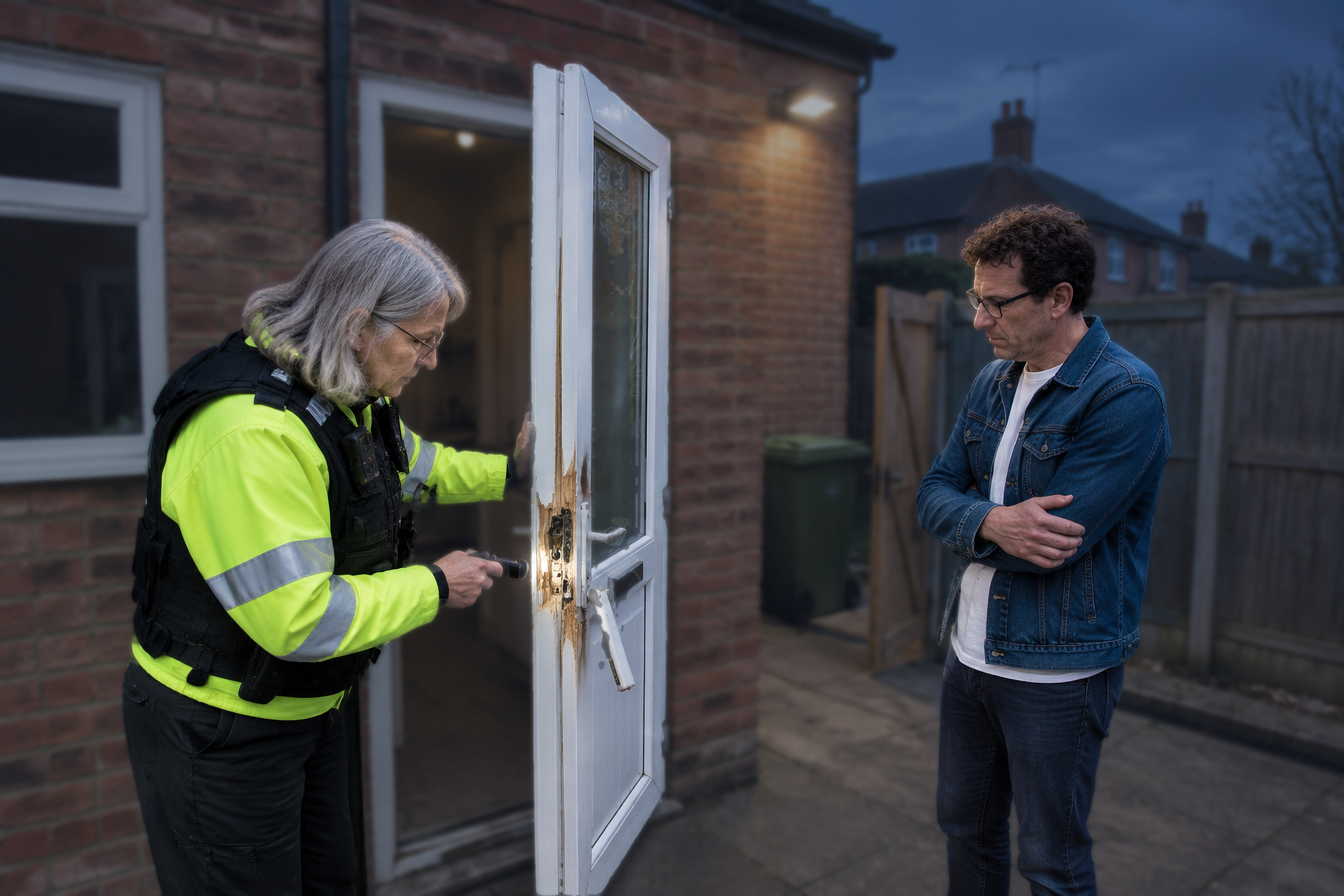
Residential burglary during winter months
Reduced daylight may create opportunities for burglary where homes appear unoccupied during the late afternoon or early evening.
Properties with limited external lighting, unlocked access points or visible valuables may be more vulnerable. However, burglary can occur at any time of year and does not depend solely on darkness. Residents can reduce some risks by reviewing locks, lighting and access to garages, sheds and side entrances.
These precautions are relevant throughout the year but may be particularly useful during winter.
Vehicle crime and darker conditions
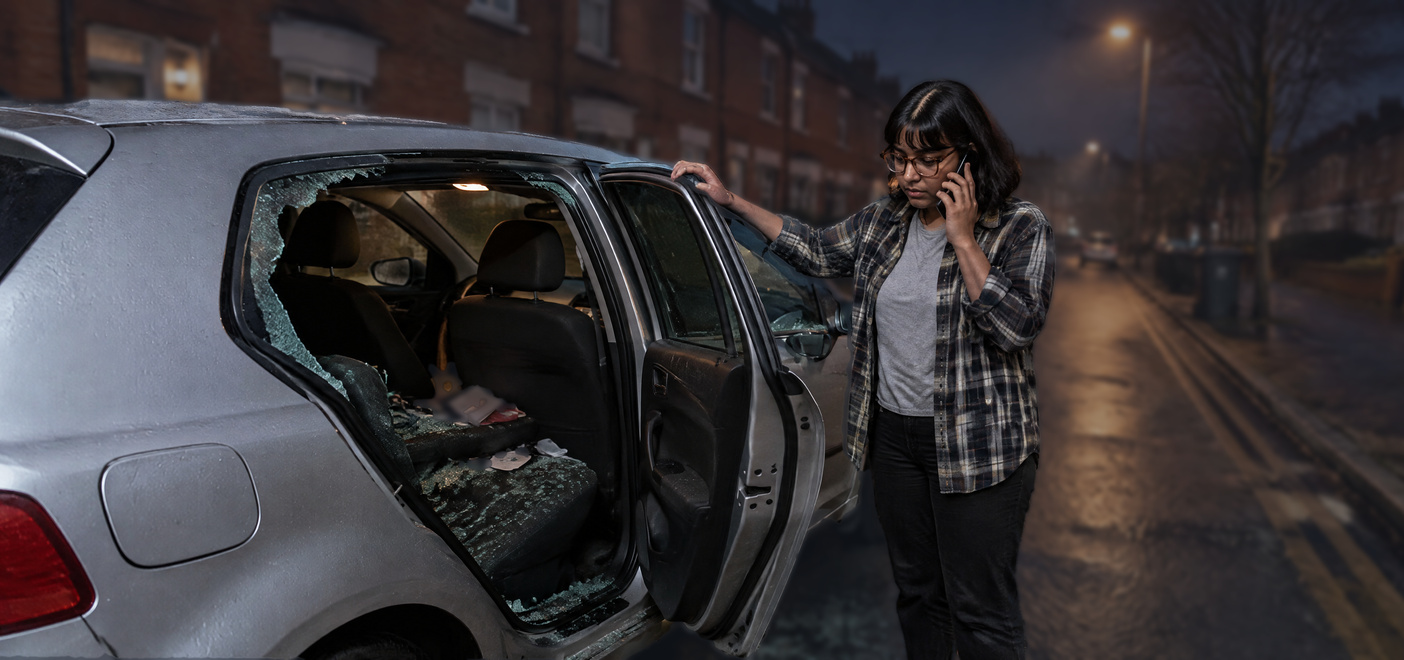
Vehicle crime does not consistently increase during winter. However, poor visibility and unattended vehicles can create opportunities for theft or interference.
Leaving bags, electronic devices or other valuables inside a vehicle may attract attention regardless of the season. Drivers should check that doors and windows are secured and avoid leaving property on display. Where possible, parking in a well-lit area with regular pedestrian activity may provide additional security.
Street robbery, theft and antisocial behaviour
Lighting, pedestrian activity and the surrounding environment may affect opportunities for street robbery and theft. A busy, well-lit location may present different circumstances from an isolated footpath or poorly lit car park.
Research does not establish a consistent winter increase across all categories of street crime or antisocial behaviour.
For this reason, local crime data and the circumstances of individual areas are more useful than broad assumptions about darker evenings.
Personal safety for pedestrians and commuters
Pedestrians and commuters may wish to review their usual routes as evenings become darker. Using well-lit paths, familiar transport stops and areas with regular public activity can help improve visibility. Reflective clothing or accessories may also improve road safety for people walking or cycling.
If you feel unsafe, moving towards a staffed business, public transport facility or other occupied location may be appropriate.
How to Stay Safe During Darker Nights
Securing your home as the evenings shorten
Home security measures can help reduce opportunities for burglary. Timer switches or smart lighting can make a property appear occupied while residents are away. External lighting may also improve visibility around entrances, garages and side gates. Residents should check that doors and windows are securely locked, including those in sheds and outbuildings.
Other useful precautions include maintaining alarms, securing access to gardens and keeping valuables out of sight.
West Yorkshire Police’s Easy Street campaign recommends checking the security of doors, windows and locks. Appropriate lock standards depend on the type of door and fitting, so homeowners should seek advice where necessary.
Protecting your vehicle during darker nights
Parking in well-lit areas where possible may reduce some opportunities for vehicle theft.
Remove valuables, including bags, electronic equipment and documents, before leaving the vehicle. Check that windows are closed and all doors are locked, including the boot. Additional security measures, such as a steering wheel lock or suitable protection for keyless entry systems, may be worth considering.
These precautions are useful throughout the year, including during darker evenings.
Steps for businesses
Businesses should review lighting, CCTV coverage and security procedures before winter.
Cameras should cover relevant entrances and other vulnerable areas, while alarms and access controls should be tested regularly. Staff should understand closing procedures, incident reporting arrangements and who to contact if a security concern arises. Where businesses operate later into the evening, lone-working arrangements and access to premises may also need reviewing.
Security measures should reflect the location, operating hours and nature of the business.
Neighbourhood and community awareness
Local community schemes can help residents receive information about crime prevention and incidents in their area. Neighbourhood Watch groups and police community alerts may provide practical advice and local updates. Suspicious activity can be reported through the police non-emergency number, 101, or online reporting services.
Call 999 where a crime is in progress or there is an immediate danger.
Residents should avoid confronting suspected offenders or attempting to investigate incidents themselves. West Yorkshire Police and the Metropolitan Police also publish crime prevention advice that can be shared through local community groups.
If you witness a crime
- Call 999 if a crime is taking place or someone is in immediate danger.
- For non-emergency incidents, use 101 or the relevant police force’s online reporting service.
- Avoid intervening where doing so may place you or others at risk.
- If it is safe, make a note of what you witnessed, including the time, location, descriptions of people involved and any vehicle details.
West Yorkshire Police and the Metropolitan Police both provide online reporting options.
If you are a victim
- Report the incident to police as soon as reasonably possible.
- If your home or vehicle has been damaged or entered unlawfully, preserve relevant evidence, including photographs, messages and CCTV footage.
- Avoid disturbing a burglary scene unnecessarily before receiving police guidance.
- A crime reference number may be useful when contacting an insurer.
- Victims of crime in England and Wales have rights under the Code of Practice for Victims of Crime.
Depending on the circumstances, these include receiving information about the investigation, accessing support services and being offered the opportunity to make a Victim Personal Statement.
Facing Legal Issue?
Speak to one of our General Crime Defence Specialists for confidential advice on your position and next steps.
Strictly Confidential and No Obligation
How Can a Criminal Defence Solicitor Help
A criminal defence solicitor can advise at any stage of a police investigation or prosecution. If you are asked to attend an interview, they can explain your rights, review available evidence and advise on the questions being asked. Where charges follow, a solicitor can assess the prosecution case, consider relevant defences and represent you during court proceedings. This may involve allegations of burglary, vehicle crime, handling stolen goods or other offences.
Expert legal advice is available at the police station. Legal aid for court representation is subject to the relevant eligibility requirements.
A solicitor can explain the options and any associated costs.
Speak to a Criminal Defence Solicitor
If you have been arrested, contacted by police or accused of a criminal offence, Ashmans Solicitors can advise on the allegation and the steps available to you.
Our criminal defence solicitors can explain your rights, review the circumstances and provide advice appropriate to your case.
Send an Online Enquiry or Book a Consultation to discuss your situation.
5 Key Takeaways
- Darker nights may affect certain crime patterns, particularly burglary, but not all offences increase during winter.
- West Yorkshire and London have different crime profiles, so local data is more useful than national assumptions.
- Home lighting, secure locks and vehicle precautions may help reduce opportunities for theft and burglary.
- Report emergencies on 999 and non-emergencies on 101. Preserve relevant evidence where possible.
- Suspects have the right to legal advice before and during police interviews under caution.
Frequently Asked Questions
Some offences, particularly residential burglary, have shown seasonal patterns associated with darker evenings. However, not all crime increases during colder months, and local trends may differ from national findings.
West Yorkshire has recorded comparatively high burglary levels, although the reasons vary by location. Housing, population patterns and local circumstances may all contribute. Darkness can affect opportunities for burglary, but it does not explain the area’s crime figures on its own.
Use timer lighting, check doors and windows, secure side gates and outbuildings, and keep valuables out of sight. Ensure alarms and external lighting work properly. Reviewing home security before winter can help identify areas needing attention.
Call 999 if a burglary is happening or anyone is in immediate danger. If the incident has ended and there is no immediate risk, call 101 or report it online. Keep your crime reference number for any insurance claim.
If police suspect you of an offence and invite you to an interview under caution, you are entitled to free and independent legal advice. This applies to voluntary interviews and interviews following arrest. Requesting a solicitor is not an admission of guilt.
Yes. Crimestoppers accepts anonymous information on 0800 555 111 and through its website. You can also contact police with information, although direct reports may involve providing your contact details.
Neighbourhood Watch is a community crime prevention network that provides local information, safety advice and opportunities for residents to work together.
Call us on 0333 009 6275. We are available to take your call 24 hours a day, 7 days a week.
You can also email us on enquiries@ashmanssolicitors.com or complete our Online Enquiry Form and we’ll be in touch soon.
Get in touch
We’ll respond within 15 minutes during office hours
Search our legal articles
Free expert guidance on criminal law, your rights, and what to expect at every stage.
Searching Legal Help Hub articles
Related insights and updates

Bonfire Night Firework Offences: What Carries a Criminal Charge?

Halloween Disorder Offences: Criminal Damage, Fireworks and Public Order

Accused of Distributing Malware or Ransomware: What Are the Charges and Penalties?

Accused of Money Laundering but I Didn’t Know the Money was Criminal: What Is the Defence?

How Darker Nights Affect Crime Patterns in West Yorkshire and London

Attempted Murder Charges: Intent, Defence and Penalties

Halloween, Mischief Night and Your Child: Fireworks, Eggs and Criminal Damage Explained

How Autism Can Affect Criminal Sentencing in the UK

Can Bite Mark Evidence Be Used in Criminal Trials in the UK?
Can a Getaway Driver Be Charged With Burglary in the UK?

Can Prisoners Attend Their Sentencing Hearing in the UK?

Can Psychological Harm to a Victim Increase a Criminal Sentence?

CPS Complex Casework Unit: How Serious Criminal Cases Are Prosecuted

Encouraging or Assisting Crime in the UK

GPS Tagging Offenders in the UK After Prison Release

Harbouring an Offender or Escapee in UK Law

Modern Slavery Defence in Criminal Cases

Modern Slavery Defence in Criminal Cases (Section 45 of the Modern Slavery Act 2015)

Prison Visit Rules UK: How to Visit Someone in Prison