Legal Help Hub
Halloween Disorder Offences: Criminal Damage, Fireworks and Public Order






Introduction
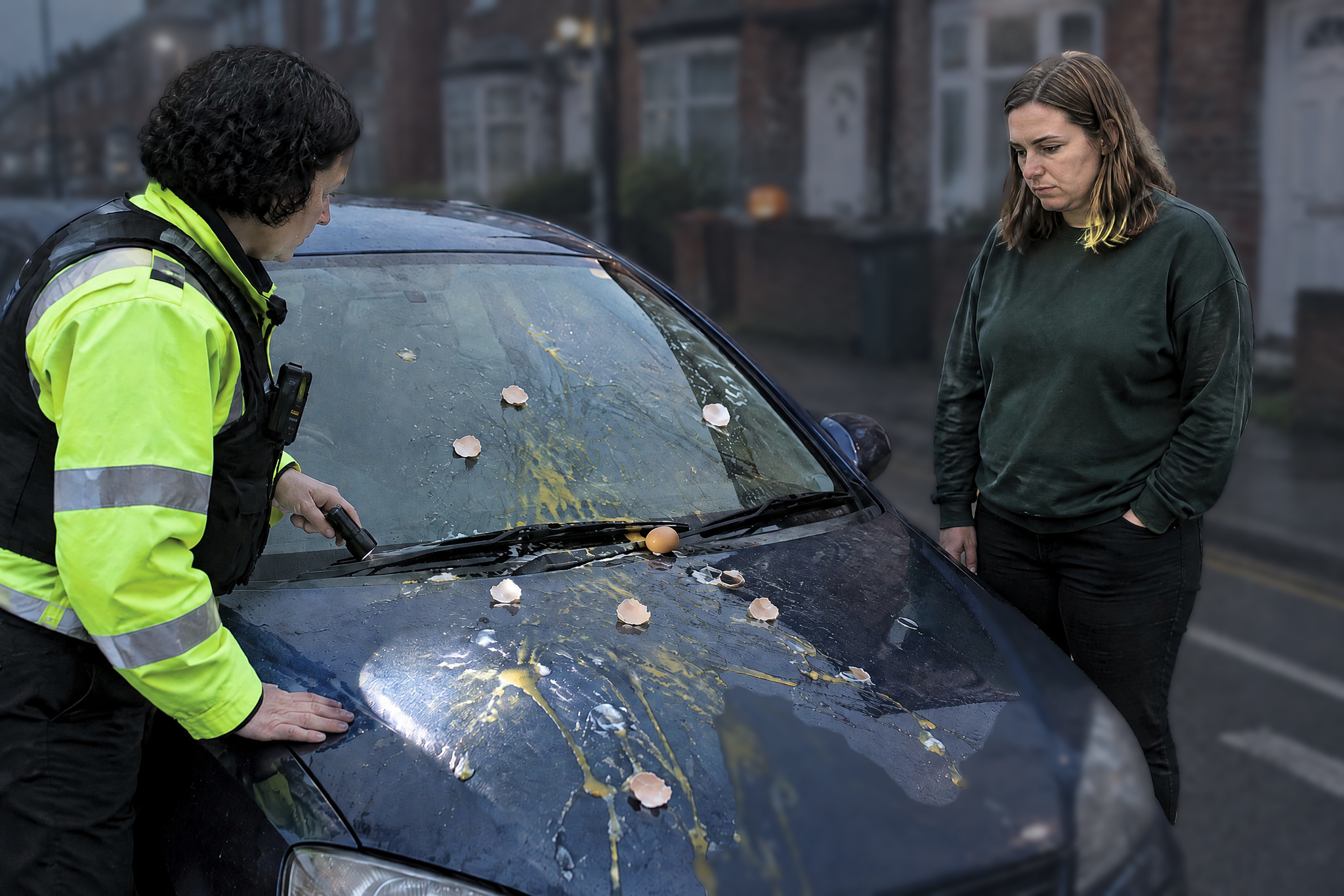
Halloween celebrations can sometimes lead to criminal allegations involving pranks, misuse of fireworks or confrontations between individuals. What might seem like harmless fun, such as throwing eggs at a car or setting off fireworks in the street, could amount to a criminal offence depending on the circumstances.
In England and Wales, incidents around Halloween may involve criminal damage under the Criminal Damage Act 1971, firework offences under the Fireworks Regulations 2004 or public order offences under the Public Order Act 1986.
Understanding when behaviour crosses the line into a criminal offence is important, particularly if you or someone you know is under investigation. This article explains the laws that may apply, the possible penalties and what to do if you are accused of a Halloween-related offence.
What Are Halloween Disorder Offences?
“Halloween disorder offences” is not a formal legal category. The term describes criminal offences that may arise during Halloween celebrations, ranging from minor damage to property to more serious incidents involving threats or violence.
Three main areas of law are relevant:
- The Criminal Damage Act 1971, which covers intentional or reckless damage to property.
- The Fireworks Regulations 2004 and Explosives Act 1875, which regulate certain aspects of firework possession and use.
- The Public Order Act 1986, which covers threatening, abusive and violent behaviour.
Reports of vandalism and antisocial behaviour often attract attention around Halloween and Bonfire Night. However, not every prank or neighbourhood disturbance constitutes a criminal offence. The circumstances and the legal requirements of the alleged offence determine whether charges may follow.
What Are the Most Common Halloween Offences?
Halloween-related incidents can involve several forms of behaviour, particularly when celebrations take place in residential streets or public spaces.
Examples include egging houses or vehicles, damaging outdoor decorations, scratching cars, breaking windows and spraying graffiti. Setting fires or using fireworks irresponsibly may also lead to criminal allegations.
Some incidents involve groups of people. An argument between residents and those celebrating Halloween may develop into threatening behaviour or, in more serious circumstances, violence.
Alcohol consumption can sometimes contribute to these situations, although drinking does not itself establish responsibility for an offence.
Whether someone is charged depends on what they allegedly did, their intention or awareness where relevant, and the evidence available to police.

What Laws Apply to Halloween-Related Offences?
Criminal damage during Halloween
Criminal damage occurs when someone intentionally or recklessly destroys or damages property belonging to another person without lawful excuse.
The Criminal Damage Act 1971 covers ordinary criminal damage, more serious damage involving danger to life and arson where property is damaged by fire. It also creates offences relating to threats to damage property and possession of items intended for that purpose.
During Halloween, conduct such as egging a car, smashing a window, spraying graffiti or damaging decorations may amount to criminal damage.
The damage does not always need to be permanent. For example, substances that require specialist cleaning or cause damage to paintwork may satisfy the legal definition.
However, the prosecution must still establish the required intention or recklessness and the absence of a lawful excuse.
Firework misuse during Halloween
The Fireworks Regulations 2004 generally prohibit the use of category F2, F3 and F4 fireworks between 11 pm and 7 am.
Certain occasions, including Bonfire Night, New Year’s Eve, Diwali and Chinese New Year, have extended hours. Halloween is not one of those exceptions.
Using fireworks covered by the curfew after 11 pm on Halloween can therefore result in a criminal charge, even if no one is injured.
The regulations also restrict people under 18 from possessing adult fireworks, including categories F2 and F3, in public places.
Separately, section 80 of the Explosives Act 1875 prohibits throwing or setting off fireworks in streets and other public places.
For example, setting off fireworks in a residential road or throwing one towards a building may lead to an offence under the fireworks legislation. Where people are threatened or property is damaged, additional charges may also be considered.
Public order offences during Halloween
The Public Order Act 1986 covers several offences involving threatening, abusive or violent conduct.
These range from harassment, alarm or distress offences to more serious offences such as affray, violent disorder and riot.
Section 5 may apply where someone uses threatening or abusive words or behaviour, or behaves in a disorderly manner, within the sight or hearing of another person likely to experience harassment, alarm or distress. Physical contact is not required.
For example, a group making threats towards a householder may attract police attention. Whether the conduct amounts to an offence depends on the words or behaviour involved and the surrounding circumstances.
More serious charges may arise where people use or threaten unlawful violence. Violent disorder requires at least three people present together who each use or threaten unlawful violence, with their combined conduct meeting the statutory test.
Simply being part of a group does not automatically make someone guilty.
When Does a Halloween Prank Become a Crime?
When a prank becomes criminal damage
A Halloween prank does not have to cause permanent damage to result in a criminal charge.
Under the Criminal Damage Act 1971, recklessness can be sufficient where someone damages property belonging to another person without lawful excuse.
For example, someone throwing eggs at a vehicle may not intend to damage its paintwork. However, if they recognised the risk of damage and continued regardless, the prosecution may be able to establish recklessness.
The cost and extent of damage may affect how the case is dealt with, but low-value damage can still result in prosecution.
When firework use becomes a criminal offence
Firework misuse can constitute an offence even where no injury or damage occurs.
Examples include using restricted fireworks after the 11 pm curfew, possessing adult fireworks in public while under 18, or throwing fireworks in a street.
These offences are governed by specific statutory requirements and exceptions.
Halloween celebrations do not provide an exemption from those rules. More serious charges may arise where fireworks are used to threaten people or damage property.
When group behaviour triggers public order charges
Group behaviour can become a more serious matter where several people participate in threats or violence.
Under section 2 of the Public Order Act 1986, violent disorder requires three or more people present together who use or threaten unlawful violence.
Their combined conduct must be serious enough that a person of reasonable firmness would fear for their personal safety.
A crowd throwing objects or threatening someone outside their home may therefore give rise to an investigation.
However, the prosecution must establish the required conduct against each defendant. Mere presence in a crowd, even where others behave violently, is not enough to establish liability as a principal offender.
What Are the Penalties for Halloween-Related Offences?
The possible penalties depend on the offence, the seriousness of the conduct and the circumstances of the case.
For ordinary criminal damage valued at £5,000 or less, the maximum sentence is generally three months’ imprisonment, a level 4 fine or both. These cases are normally dealt with in the Magistrates’ Court.
Where the damage exceeds £5,000, ordinary criminal damage can be tried in the Crown Court, where the maximum sentence is ten years’ imprisonment.
Arson and aggravated criminal damage carry a maximum of life imprisonment on indictment. These are maximum penalties rather than sentences imposed automatically.
Firework offences may result in fixed-penalty notices, fines or prosecution, depending on the conduct involved.
Public order penalties also vary. A section 5 offence carries a maximum level 3 fine, while section 4 offences and affray can result in imprisonment. Violent disorder and riot carry higher maximum sentences.
A conviction may also affect employment or professional registration, depending on the offence and any applicable disclosure requirements.
How Courts Assess Halloween-Related Criminal Offences
When sentencing someone convicted of a Halloween-related offence, courts consider the seriousness of the conduct and the relevant sentencing guidelines.
Factors that may increase the seriousness of an offence include deliberately targeting vulnerable people, causing substantial damage, using fireworks to threaten others or having relevant previous convictions.
The person’s role in any group activity may also be important.
Mitigating factors can include a lack of previous convictions, genuine remorse and personal circumstances relevant to the offence.
An early guilty plea may reduce the sentence in accordance with the applicable guidelines.
Halloween itself is not a legal defence. The fact that an incident occurred during celebrations does not excuse criminal conduct.
Where the accused is under 18, the youth justice system generally applies. It places greater emphasis on rehabilitation, although outcomes such as youth cautions, referral orders and youth rehabilitation orders can still have consequences.
Facing Legal Issue?
Speak to one of our General Crime Defence Specialists for confidential advice on your position and next steps.
Strictly Confidential and No Obligation
How Can a Solicitor Help with Halloween Charges?
If you are arrested or invited to a police interview about a Halloween-related incident, you can obtain free and independent legal advice at the police station.
A solicitor can explain the allegation, review the information disclosed by police and advise you on how to respond during questioning.
What you say in an interview may later become evidence. Although you have the right to remain silent, failing to mention something you later rely on in court may have consequences in certain circumstances.
When dealing with a general crime allegation, a solicitor may examine CCTV, witness statements and other evidence to determine whether the prosecution can establish the offence.
For criminal damage, relevant questions may include whether the accused caused the damage, whether the conduct was intentional or reckless, and whether a lawful excuse applies.
For public order offences, the solicitor can assess whether the alleged behaviour satisfies the legal requirements of the particular charge.
If you have been arrested, interviewed or charged following a Halloween incident, speak to our criminal defence team for advice about your circumstances and the next steps.
What Should You Do If Accused of a Halloween Crime?
If police contact you about a Halloween-related allegation, ask for legal advice before attending an interview or providing an account of the incident.
You have the right to free legal advice at the police station, whether you have been arrested or are attending a voluntary interview under caution.
Avoid discussing the allegation on social media. Messages, photographs and online posts may become relevant evidence during an investigation.
Preserve anything that may support your account, including photographs, messages, location information and witness contact details. Do not delete or alter potentially relevant material.
You may also find it helpful to make a private, accurate note of what you remember, including the time, location and people involved. Avoid filling gaps in your recollection with guesses.
5 Key Takeaways
- Halloween pranks such as egging cars or throwing fireworks in the street can amount to criminal offences, even where serious harm was not intended.
- Criminal damage requires intentional or reckless damage to property belonging to another person without lawful excuse. Recklessness depends on whether the defendant personally recognised the relevant risk.
- Using adult fireworks after 11 pm on Halloween or throwing fireworks in a public place can be a criminal offence, whether or not anyone is injured.
- Public order offences can be committed without any physical violence, and threatening or abusive behaviour involving a group of three or more can be enough to trigger a serious Halloween offence charge.
- Anyone arrested in connection with Halloween offences has the right to free legal advice at the police station and should exercise it before answering any questions.
Frequently Asked Questions
Egging a house can amount to criminal damage under the Criminal Damage Act 1971. The key question is whether the person intended damage or recognised a risk that damage might result. Egg residue can damage surfaces or require specialist cleaning. Police do not automatically treat egging as minor antisocial behaviour.
Young people under 18 are generally dealt with through the youth justice system, which places greater emphasis on rehabilitation and early intervention. However, consequences may still follow. A youth caution, referral order or youth rehabilitation order may be available, depending on the circumstances. A solicitor can explain the process.
Yes. Several public order offences under the Public Order Act 1986 do not require physical violence. Section 5 covers specified threatening, abusive or disorderly behaviour likely to cause harassment, alarm or distress. Violent disorder under section 2 requires three or more people to use or threaten unlawful violence, but actual injury is not necessary.
Yes. Regulation 7 of the Fireworks Regulations 2004 imposes a curfew on the use of fireworks between 11 pm and 7 am in England and Wales. Limited exceptions apply for specific cultural and traditional events, but these do not include Halloween. Using fireworks after 11 pm on Halloween night is an offence regardless of whether any injury or damage results.
Contact a criminal defence solicitor before speaking to the police. If you are arrested and taken to a police station in connection with Halloween offences, you have the right to free legal advice before any questioning begins. If you have been asked to attend voluntarily or have received written contact from the police, early legal advice remains important.
What are the most common Halloween offences in England and Wales?
The most common Halloween offences in England and Wales are criminal damage (including egging and graffiti), firework misuse such as using fireworks after the 11 pm curfew or throwing them in public, and public order offences under the Public Order Act 1986.
Call us on 0333 009 6275. We are available to take your call 24 hours a day, 7 days a week.
You can also email us on enquiries@ashmanssolicitors.com or complete our Online Enquiry Form and we’ll be in touch soon.
Get in touch
We’ll respond within 15 minutes during office hours
Search our legal articles
Free expert guidance on criminal law, your rights, and what to expect at every stage.
Searching Legal Help Hub articles
Related insights and updates

Halloween, Mischief Night and Your Child: Fireworks, Eggs and Criminal Damage Explained for Parents

Halloween Disorder Offences: Criminal Damage, Fireworks and Public Order

How Autism Can Affect Criminal Sentencing in the UK

Can Bite Mark Evidence Be Used in Criminal Trials in the UK?

Can a Getaway Driver Be Charged With Burglary in the UK?

Can Prisoners Attend Their Sentencing Hearing in the UK?
Can Psychological Harm to a Victim Increase a Criminal Sentence?

CPS Complex Casework Unit: How Serious Criminal Cases Are Prosecuted

Encouraging or Assisting Crime in the UK

GPS Tagging Offenders in the UK After Prison Release

Harbouring an Offender or Escapee in UK Law

Modern Slavery Defence in Criminal Cases

Modern Slavery Defence in Criminal Cases (Section 45 of the Modern Slavery Act 2015)

Prison Visit Rules UK: How to Visit Someone in Prison

Unduly Lenient Sentences in the UK: What the Law Says
What Are Your Rights If Arrested in the UK?

Aggravated Trespass During Protest in the UK

Flawed Identification Evidence in Criminal Cases

Judge Interference in Criminal Trials: When Can You Appeal an Unfair Trial?