Legal Help Hub
Assault on an Emergency Worker: Charges and Penalties






Introduction
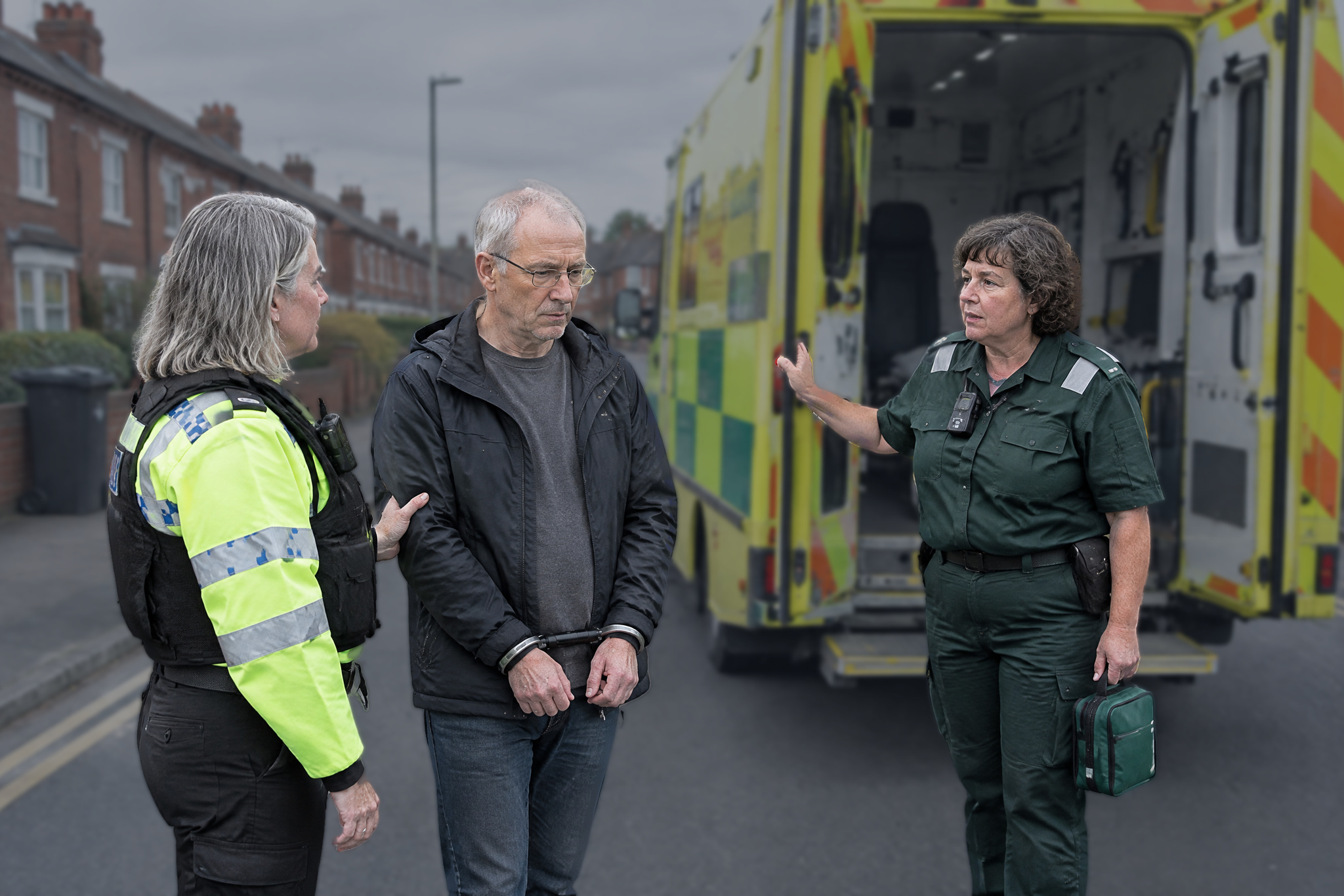
Assaulting an emergency worker is a serious criminal offence in England and Wales. The law provides stronger protection for people carrying out essential public services, including police officers, paramedics, firefighters and certain NHS staff.
Under the Assaults on Emergency Workers (Offences) Act 2018, common assault or battery against an emergency worker can carry a maximum sentence of two years’ imprisonment. Where more serious injuries occur, additional assault charges and higher penalties may apply. However, not every allegation results in imprisonment. The outcome depends on what happened, the evidence available and whether a defence can be established.
This article explains who is protected by the law, what can lead to criminal charges, how sentencing works and what to do if you are accused of assaulting an emergency worker.
What Is Assault on an Emergency Worker?
The Assaults on Emergency Workers (Offences) Act 2018 provides additional protection for emergency workers carrying out their duties. It applies where someone commits common assault or battery against a person performing a qualifying emergency worker role.
Common assault can involve threatening behaviour that causes someone to fear immediate unlawful physical contact.
Battery involves unlawful physical contact, such as deliberately pushing or striking someone.
The offence carries a maximum sentence of two years’ imprisonment for incidents occurring on or after 28 June 2022.
Where an assault causes more serious injuries, the prosecution may consider charges such as actual bodily harm (ABH) or grievous bodily harm (GBH).
The appropriate charge depends on the circumstances and evidence.
Who Counts as an Emergency Worker?
The law protects more than police officers and paramedics. It covers several roles involving emergency response, public protection and essential services.
These include police officers, firefighters, ambulance personnel, prison officers, certain custody staff, National Crime Agency officers and people providing search and rescue services.
Some NHS employees are also protected, including staff whose usual duties involve direct contact with patients or members of the public.
Certain support workers and volunteers may also qualify, depending on their responsibilities.
However, not every person working in a hospital, emergency service or related organisation automatically falls within the relevant definition. The person’s role and what they were doing when the alleged assault occurred are important.
Does the worker have to be on duty?
The law generally applies when an emergency worker is carrying out duties associated with their role. In some circumstances, this can include someone who is formally off duty.
For example, an off-duty paramedic providing emergency assistance at an accident may still be performing relevant emergency worker functions.
The circumstances must establish that the person was carrying out qualifying duties.
What the Prosecution Must Prove
The prosecution must prove that an assault occurred and that the person involved qualified for protection as an emergency worker in the circumstances.
For example, an allegation may involve pushing, striking or threatening someone carrying out their duties.
The prosecution must establish the conduct required for the assault offence. It must also show that the alleged victim was an emergency worker performing relevant functions.
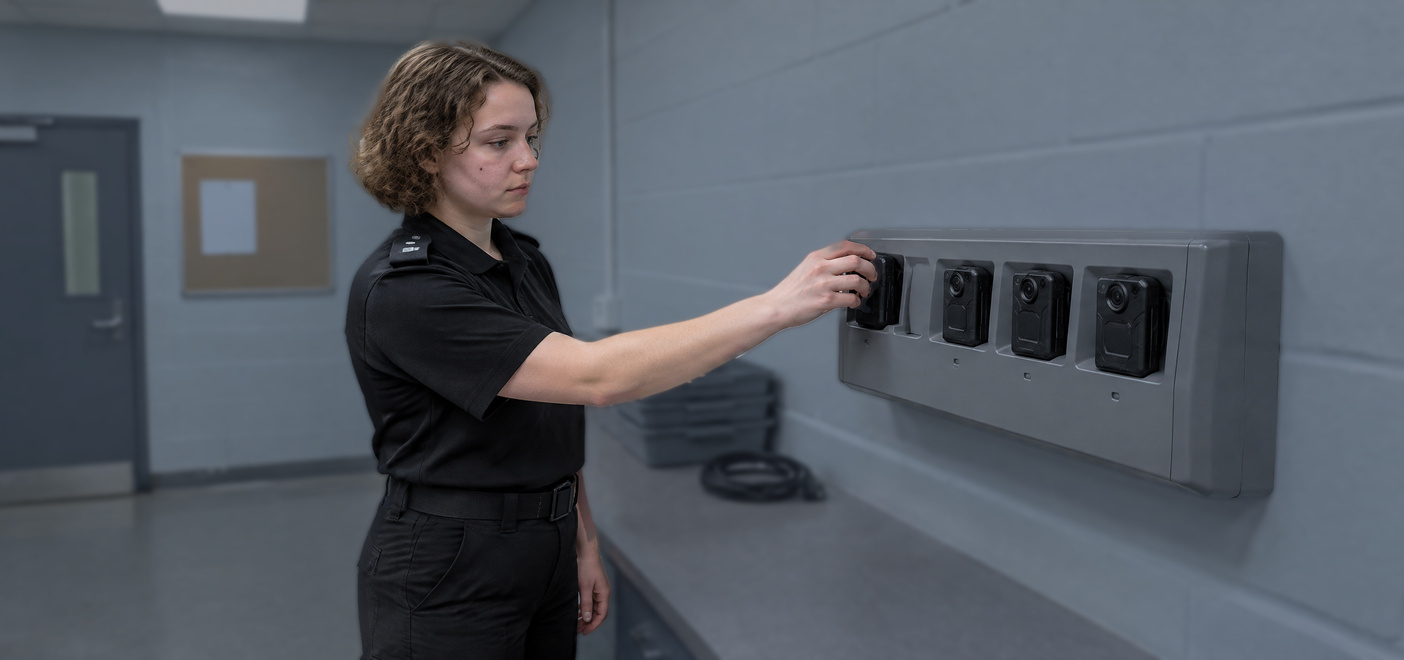
The evidence may include witness statements, CCTV footage, body-worn camera recordings or medical records. Not every physical interaction amounts to an assault.
If the requirements of the emergency worker offence are not established, an ordinary assault charge may still be considered where the evidence supports it.
What does “acting in the exercise of their functions” mean in practice?
This means that the emergency worker was performing activities connected to their role when the alleged assault occurred.
For example, a police officer responding to an incident, a paramedic treating a patient or a firefighter attending an emergency would ordinarily be carrying out their functions. Other situations may be less clear.
An off-duty police officer intervening in an incident or an NHS support worker dealing with a member of the public may qualify, depending on what they were doing.
The worker’s job title alone is not enough to determine whether the additional protection applies.
Why Are Assaults on Emergency Workers Punished More Severely?
Emergency workers often carry out duties involving confrontation, unpredictable situations or vulnerable members of the public. Assaults against them may affect their safety and prevent them from carrying out essential services.
However, the sentence depends on the seriousness of the incident. Courts consider factors such as the degree of force used, whether anyone was injured, the impact on the worker and the circumstances surrounding the assault.
For example, an unprovoked attack involving repeated blows may be treated more seriously than a brief incident involving limited physical contact.
On the other hand, factors such as previous good character, genuine remorse and an early guilty plea may be relevant.
What is the sentencing range for this offence?
The maximum sentence for common assault or battery against an emergency worker is two years’ imprisonment.
However, a prison sentence is not automatic. Less serious cases may result in a fine, community order or another appropriate sentence.
Cases involving sustained violence, repeated assaults or significant harm may attract more severe penalties. The court considers the circumstances of the offence and the defendant before deciding on the sentence.
The fact that the victim was an emergency worker increases the seriousness of the offence, but the penalty must still reflect what happened.
When Does an Emergency Worker Assault Become ABH or GBH?
Some assaults cause injuries serious enough to justify charges beyond common assault.
Where an emergency worker suffers injuries meeting these thresholds, the prosecution may consider an ABH or GBH charge. For example, an assault that causes a police officer a serious fracture may lead to a more serious charge than an incident involving minor physical contact.
The victim’s status as an emergency worker can also increase the seriousness of the offence when the court determines the sentence.
However, the prosecution must still establish the requirements of the particular assault charge.
How does the charging decision work?
The Crown Prosecution Service considers the nature of the incident, the available evidence and the seriousness of any injury when deciding which charge is appropriate.
Where an incident involves limited physical contact or minor harm, a common assault charge may be considered.
More substantial injuries may justify ABH or GBH charges. The worker’s role remains relevant, but the injury and circumstances determine which offence the evidence supports.
A solicitor can review the allegation and advise whether the charge accurately reflects what happened.
Facing Legal Issue?
Speak to one of our Assault Offences Defence Specialists for confidential advice on your position and next steps.
Strictly Confidential and No Obligation
How Can an Emergency Worker Assault Charge Be Defended?
A person accused of assaulting an emergency worker may have several possible grounds for challenging the allegation. The appropriate approach depends on the circumstances, the available evidence and whether the prosecution can establish the offence.
Self-defence and defence of others
Self-defence may apply where a person used reasonable force to protect themselves or someone else from unlawful violence. For example, someone may argue that they acted to protect themselves during a physical confrontation rather than intending to assault an emergency worker.
The court considers what the defendant genuinely believed was happening and whether the force used was reasonable in those circumstances. However, using excessive force may prevent a self-defence argument from succeeding.
Challenging the prosecution’s evidence
The prosecution must prove the allegation beyond reasonable doubt.
A defence may therefore involve examining whether the evidence accurately establishes what happened. For example, witness accounts may differ about who initiated physical contact or the circumstances leading to the incident. CCTV or body-worn camera footage may help clarify the sequence of events.
Medical records may also be relevant where the seriousness of an alleged injury is disputed. Other questions may concern whether the person was performing qualifying emergency worker duties at the time.
A solicitor can review this material and identify whether the evidence supports the charge.
Consent, automatism and other defences
In limited circumstances, other legal arguments may be relevant. For example, where a person acted involuntarily because of a medical condition or another recognised cause, the absence of voluntary conduct may be relevant to the allegation.
However, these situations are uncommon and generally require supporting evidence. Consent is not ordinarily a defence to an unlawful assault against an emergency worker.
Similarly, being under the influence of alcohol or drugs does not automatically excuse assaultive behaviour.
The circumstances must be assessed before determining whether any defence is available.
How Can a Solicitor Help with Emergency Worker Assault Charges?
If you have been arrested, questioned or charged with assaulting an emergency worker, a criminal defence solicitor can explain the allegation and review the available evidence.
They can assess whether the incident meets the requirements of the offence, whether the worker was performing qualifying duties and whether any defence may apply. Where injuries are alleged, a solicitor can also review whether the charge reflects their seriousness. If the matter proceeds to court, legal representation can help you understand the possible outcomes and prepare your case.
Speak to our Criminal defence solicitor for advice about your circumstances and the next steps.
5 Key Takeaways
- Assaulting an emergency worker can carry a higher penalty than ordinary common assault.
- The law protects several emergency and NHS roles, including certain support staff and volunteers.
- The prosecution must prove the assault and the worker’s qualifying role at the time.
- The maximum sentence is two years’ imprisonment, although custody is not automatic.
- Serious injuries may lead to ABH or GBH charges, and defences depend on the circumstances.
Frequently Asked Questions
For offences committed on or after 28 June 2022, the maximum sentence is two years’ imprisonment. Earlier offences carried a lower maximum. The actual penalty depends on the seriousness of the assault, any injuries and the circumstances.
No. The law does not require the worker to wear a uniform. What matters is whether they qualified as an emergency worker and were carrying out relevant duties when the alleged assault occurred.
Yes, potentially. Not knowing the person’s occupation does not automatically prevent a charge. The prosecution must establish that the victim was carrying out qualifying emergency worker duties. The circumstances, including what was apparent to you, may also be relevant.
No. These offences can be heard in either the Magistrates’ Court or the Crown Court. Less serious cases are often dealt with in the Magistrates’ Court, while more serious allegations may proceed to the Crown Court.
Where an emergency worker suffers actual bodily harm, the prosecution may bring a more serious assault charge. Their status as an emergency worker remains relevant and can increase the sentence if a conviction follows.
Yes. Self-defence may apply where the force used was reasonable in response to a threat as you genuinely believed it. Whether the defence succeeds depends on the circumstances, including the nature of the threat and the force used.
Contact a criminal defence solicitor as early as possible. Preserve any relevant evidence, including messages or footage, and avoid altering records. A solicitor can assess the allegation, explain the possible charges and advise on the next steps.
Call us on 0333 009 6275. We are available to take your call 24 hours a day, 7 days a week.
You can also email us on enquiries@ashmanssolicitors.com or complete our Online Enquiry Form and we’ll be in touch soon.
Get in touch
We’ll respond within 15 minutes during office hours
Search our legal articles
Free expert guidance on criminal law, your rights, and what to expect at every stage.
Searching Legal Help Hub articles
Related insights and updates

Arrested Abroad as a UK Citizen: What Happens and How Can a UK Solicitor Help?

Affray vs Violent Disorder vs Riot: Charges Explained

Assault on an Emergency Worker: Charges and Penalties

Bounce Back Loan & Covid Grant Fraud: What Directors Need to Know

Arrested at a Protest: Charges and What Happens Next

Accused of Murder: How to Find a Specialist Murder Defence Solicitor

Accused of Distributing Malware or Ransomware: What Are the Charges and Penalties?

Accused of Money Laundering but I Didn’t Know the Money was Criminal: What Is the Defence?

How Darker Nights Affect Crime Patterns in West Yorkshire and London

Attempted Murder Charges: Intent, Defence and Penalties

Bonfire Night Firework Offences: What Carries a Criminal Charge?

Halloween, Mischief Night and Your Child: Fireworks, Eggs and Criminal Damage Explained

Halloween Disorder Offences: Criminal Damage, Fireworks and Public Order

How Autism Can Affect Criminal Sentencing in the UK

Can Bite Mark Evidence Be Used in Criminal Trials in the UK?

Can a Getaway Driver Be Charged With Burglary in the UK?

Can Prisoners Attend Their Sentencing Hearing in the UK?

Can Psychological Harm to a Victim Increase a Criminal Sentence?

CPS Complex Casework Unit: How Serious Criminal Cases Are Prosecuted