Legal Help Hub
Arrested at a Protest: Charges and What Happens Next






Introduction
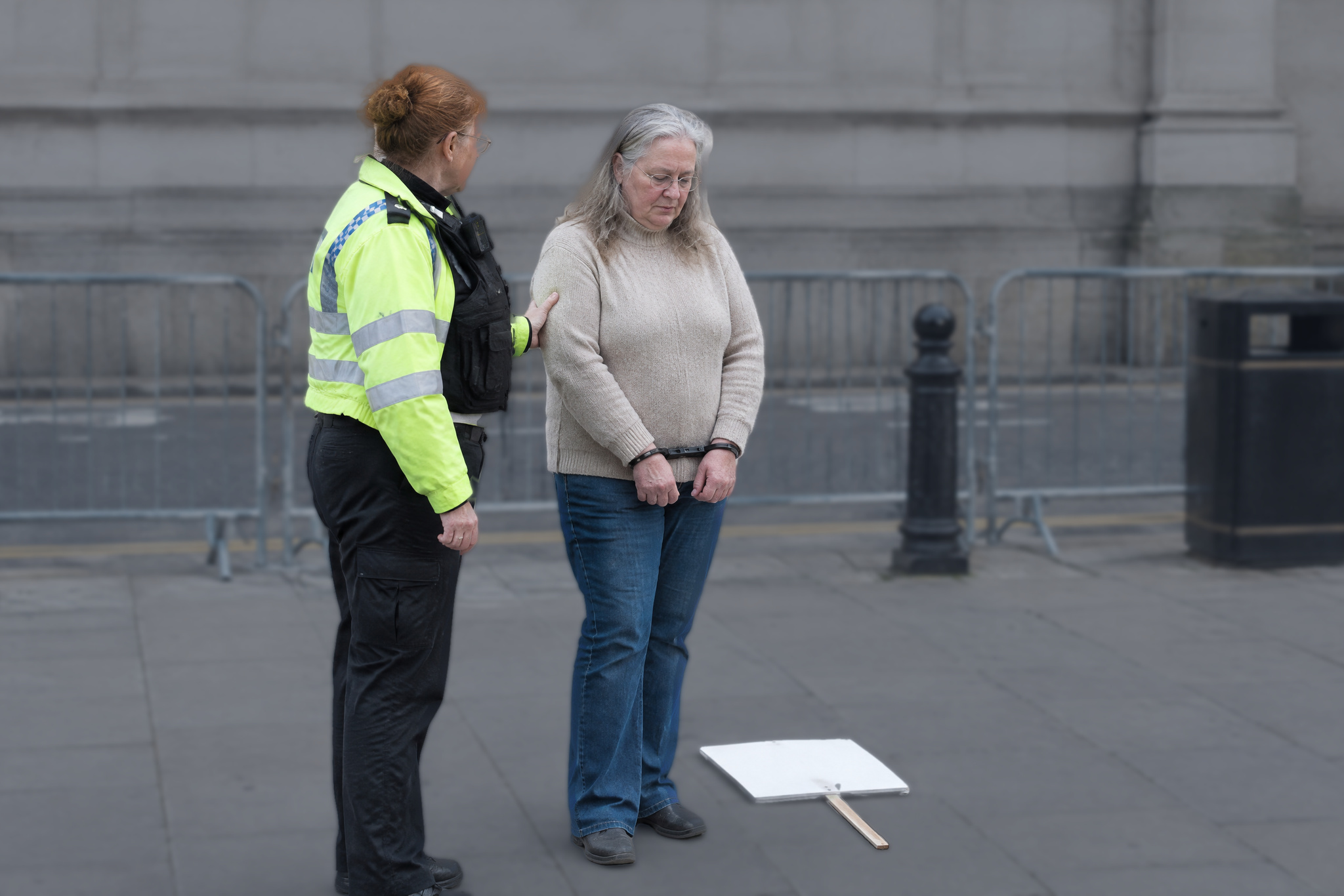
Being arrested at a protest in England and Wales does not automatically mean you have committed a criminal offence. Peaceful protest is a protected right, although police can intervene where demonstrations involve violence, threats or serious disruption.
Depending on the circumstances, police may impose conditions on a protest, arrest individuals suspected of an offence or investigate conduct that takes place during a demonstration. However, attending a protest where others behave unlawfully does not automatically make you responsible for their actions.
This article explains the offences that may arise during protests, when police can make arrests, what happens in custody and what to expect if criminal charges follow.
The Legal Framework Governing Protest Arrests
The Public Order Act 1986 is one of the main laws governing offences involving violence, threatening behaviour and disorder during public demonstrations in England and Wales. It covers offences ranging from riot and violent disorder to threatening or abusive behaviour that causes, or is likely to cause, harassment, alarm or distress.
Police also have powers to manage protests where there are concerns about serious disorder, property damage, disruption or intimidation. For example, officers may impose conditions affecting the route, location or duration of a demonstration where the legal requirements are met.
Other laws cover particular protest activities, including conduct that seriously obstructs transport infrastructure or involves certain forms of deliberate obstruction. The law also addresses some forms of threatening communication and conduct intended to stir up hatred.
However, the existence of these offences does not mean that peaceful protest is unlawful. Police action must be justified by the circumstances and the relevant legal requirements.
What Is a Public Order Offence?
A public order offence involves behaviour that threatens public safety, involves unlawful violence or causes, or is likely to cause, fear, alarm or distress in circumstances covered by law.
The seriousness of the offence depends on what happened and the person’s alleged involvement.
For example, someone threatening another individual at a demonstration may face a different charge from a group involved in serious violence.
Physical injury is not always necessary for a public order offence. Threatening words, gestures or conduct may be sufficient, depending on the allegation.
The possible penalties also vary. Less serious offences may result in a fine, while riot and other serious public order offences can lead to imprisonment.

What Criminal Charges Can Follow a Protest Arrest?
Public order offences vary in seriousness. The appropriate charge depends on the conduct involved, the number of people participating and the evidence.
Riot: the most serious public order offence
Riot involves twelve or more people present together using or threatening unlawful violence for a common purpose.
The behaviour must be serious enough that an ordinary person witnessing it would fear for their safety. To convict an individual of riot, the prosecution must prove that they personally used unlawful violence. Simply being part of a crowd where violence occurs is not sufficient. For example, a group acting together to attack people or damage property during widespread disorder may face riot allegations.
Riot is one of the most serious public order offences and carries a maximum sentence of ten years’ imprisonment.
Violent disorder: three or more persons
Violent disorder involves three or more people present together using or threatening unlawful violence. Unlike riot, the individuals do not have to share a common purpose. For example, several people becoming involved in a violent confrontation during a demonstration may face allegations of violent disorder.
The prosecution must establish the individual’s involvement in the threatening or violent conduct. Merely standing near the incident does not establish guilt. Violent disorder carries a maximum sentence of five years’ imprisonment.
Affray: personal use or threat of violence
Affray can involve one person or several people. It applies where someone uses or threatens unlawful violence towards another person in circumstances serious enough to make an ordinary observer fear for their safety. For example, a person making threatening physical gestures towards another individual during a confrontation may be investigated for affray.
Words alone are not sufficient for this offence. There must be conduct amounting to the use or threat of violence.
Affray carries a maximum sentence of three years’ imprisonment.
Threatening behaviour or provoking violence
Threatening or abusive behaviour can also lead to prosecution where someone intends to make another person believe that immediate violence will be used against them, or intends to provoke immediate violence.
This may involve threats made directly to another person during a demonstration. For example, an individual making specific threats towards someone at a protest may face a public order charge even if no physical confrontation follows.
The circumstances and the intention behind the behaviour are important.
Intentional harassment, alarm or distress
An offence may arise where someone deliberately uses threatening, abusive or insulting language or behaviour to cause another person harassment, alarm or distress, and that effect occurs. For example, repeatedly directing abusive comments at a particular person during a protest may become a criminal matter where the requirements of the offence are met.
The prosecution must establish both the required intention and the effect on the person involved.
Harassment, alarm or distress
Less serious public order offences can involve threatening or abusive words, behaviour or disorderly conduct likely to cause harassment, alarm or distress. For example, aggressive behaviour towards members of the public may be investigated even where no one is physically injured.
The prosecution does not have to establish an intention to cause distress for this particular offence. The maximum penalty is a fine, and imprisonment is not available for this offence alone.
Can You Be Charged Without Physically Hurting Anyone?
Public order offences do not always require physical injury. Threatening words, aggressive gestures or unlawful threats of violence may constitute an offence, depending on what happened. For example, someone who threatens another person during a protest may face charges even if no physical contact occurs.
For more serious offences such as riot, violent disorder and affray, the law considers whether the conduct would cause an ordinary person to fear for their safety. Other public order offences focus on threatening or abusive behaviour and its actual or likely effect on others. However, the absence of physical injury does not automatically make conduct criminal either.
The prosecution must establish the requirements of the specific charge, and lawful expression of views remains protected.
Can a Public Order Offence Happen on Private Property or Online?
Private property
Public order offences are not necessarily limited to streets, parks or other public locations.
Riot, violent disorder and affray can occur on private property. For example, a violent confrontation at a private event or in a car park may lead to public order charges if the relevant requirements are met. Some offences involving threatening or abusive behaviour can also occur on private premises.
However, certain restrictions apply where the conduct takes place inside a private dwelling. The circumstances and type of offence determine whether criminal liability arises.
Online conduct
Online activity connected to protests can also lead to criminal allegations. For example, publishing material that unlawfully stirs up racial or religious hatred may result in prosecution.
Threatening communications or other harmful online conduct may also fall under separate criminal laws, depending on the content and circumstances. However, expressing political opinions, supporting a demonstration or disagreeing with others online does not automatically constitute a criminal offence.
The nature of the communication and the legal requirements of the alleged offence are important.
When Can Police Restrict a Protest?
Peaceful protest is protected in England and Wales through the rights to freedom of expression and peaceful assembly.
People can generally participate in demonstrations and express their views without committing a criminal offence. However, these rights are not unlimited. Police may impose restrictions where legally justified by concerns such as serious disorder, damage to property, intimidation or serious disruption.
The law also allows consideration of the combined disruption caused by repeated protests in certain circumstances. Some protest activities are separately restricted, including particular forms of deliberate obstruction and conduct involving serious disruption.
Where lawful conditions are imposed and communicated, knowingly failing to comply may result in criminal charges. In exceptional circumstances, police may also seek restrictions preventing certain marches from taking place.
However, participation in a peaceful demonstration does not automatically become unlawful because police attend or because other protesters commit offences. Each person’s conduct must be assessed individually.
What Happens After a Protest Arrest?
The arrest and detention process
Police may arrest someone where they have reasonable grounds to suspect involvement in a criminal offence and believe arrest is necessary. For example, an arrest may follow allegations of violence, criminal damage or failure to comply with lawful protest conditions.
An officer should explain why the person is being arrested. Following arrest, the individual will usually be taken to a police station, where a custody officer assesses whether continued detention is justified.
Being arrested does not mean charges will necessarily follow.
For most offences, police can normally detain someone for up to 24 hours without charge. Longer detention may be authorised for certain serious offences.
Searches and samples
Police may search someone following arrest and examine property they were carrying. Depending on the circumstances, officers may also take fingerprints, photographs or DNA samples.
More intrusive searches are subject to additional safeguards. The rules governing the retention of personal information and samples vary, including where the person is released without charge.
The police interview
Police may interview someone about their alleged involvement in an incident during the demonstration.
Questions may concern their actions, where they were standing, their communications with others or whether they knew about conditions imposed on the protest. The interview is normally recorded, and answers may later be used as evidence. A person does not have to answer every question. However, remaining silent may have consequences in certain circumstances.
A solicitor can advise on how to approach questioning based on the allegation and the available evidence.
Outcomes from the police station
Following an investigation or interview, several outcomes are possible.
The person may be released without charge, with no further action taken. Alternatively, they may be released while enquiries continue, receive an appropriate out-of-court disposal or be formally charged.
A formal caution may be offered for some offences, but it requires an admission and can have consequences for a person’s criminal record. If charges are brought, the case will proceed to court.
Facing Legal Issue?
Speak to one of our General Crime Defence Specialists for confidential advice on your position and next steps.
Strictly Confidential and No Obligation
What Are Your Rights After a Protest Arrest?
If someone is charged with an offence following a protest, the case will usually begin in the magistrates’ court. Less serious public order offences may be dealt with there, while more serious allegations can proceed to the Crown Court. The court will consider the charge, the available evidence and any questions about bail or continued detention.
Where bail is granted, conditions may restrict contact with certain people or attendance at particular locations. If the defendant pleads not guilty, the case may proceed to trial.
The prosecution must prove the allegation, and the defence has the opportunity to challenge the evidence and present its case.
Not every protest-related charge results in a conviction. The outcome depends on the evidence and whether the prosecution can establish the offence.
How Can a Solicitor Help After a Protest Arrest?
If you have been arrested or accused of an offence during a protest, a criminal defence solicitor can explain the allegation and assess the evidence.
A solicitor can also consider whether your conduct meets the requirements of the offence alleged. For example, they may examine whether you were personally involved in disorder, whether police conditions were properly communicated or whether the evidence identifies you correctly.
If the case proceeds to court, a solicitor can advise on the available defences, help prepare your case and represent you during proceedings. Where online activity or conduct on private property is involved, the legal position may require separate consideration.
Speak to our Criminal defence solicitors for advice about your circumstances and the next steps.
5 Key Takeaways
- Being arrested at a protest does not mean you are guilty of a criminal offence.
- Public order charges vary in seriousness, from threatening behaviour to riot and violent disorder.
- Physical injury is not always required for a public order offence.
- Peaceful protest is protected, although police can impose lawful conditions in certain circumstances.
- A criminal defence solicitor can review the allegation and advise on your options following arrest or charge.
Frequently Asked Questions
Attending a peaceful protest is not itself a criminal offence. Police must have reasonable grounds to suspect your involvement in an offence and believe arrest is necessary. Being near others who behave unlawfully does not automatically justify arrest.
Check what the conditions require and whether they apply to you. Knowingly failing to comply with lawful protest conditions can be an offence. If you believe the restrictions were unjustified, seek advice about challenging them.
You generally have the right to remain silent during a police interview. However, silence may have consequences if you later rely on information you did not mention when questioned. A solicitor can advise on your response.
Affray can involve one person using or threatening unlawful violence. Violent disorder requires three or more people using or threatening violence, with each defendant’s involvement established. Violent disorder carries a higher maximum sentence.
Yes. Riot, violent disorder and affray can occur on private property. Some offences involving threatening or abusive behaviour may also apply, although specific exceptions exist for conduct inside private dwellings.
You can leave custody, but police may continue investigating. Release under investigation does not itself impose bail conditions, and you may be contacted again or charged later. A solicitor can help you understand the position.
A formal police caution is recorded and may appear on certain criminal record checks. Accepting one normally requires admitting the offence. You should understand the consequences before agreeing to a caution.
Yes, depending on the content and circumstances. Threatening communications or material unlawfully stirring up hatred may result in charges. However, expressing political opinions or supporting a protest online is not automatically a criminal offence.
Call us on 0333 009 6275. We are available to take your call 24 hours a day, 7 days a week.
You can also email us on enquiries@ashmanssolicitors.com or complete our Online Enquiry Form and we’ll be in touch soon.
Get in touch
We’ll respond within 15 minutes during office hours
Search our legal articles
Free expert guidance on criminal law, your rights, and what to expect at every stage.
Searching Legal Help Hub articles
Related insights and updates

Affray vs Violent Disorder vs Riot: Charges Explained

How Darker Nights Affect Crime Patterns in West Yorkshire and London

Bonfire Night Firework Offences: What Carries a Criminal Charge?

Halloween Disorder Offences: Criminal Damage, Fireworks and Public Order

Arrested Abroad as a UK Citizen: What Happens and How Can a UK Solicitor Help?

Assault on an Emergency Worker: Charges and Penalties

Bounce Back Loan & Covid Grant Fraud: What Directors Need to Know

Arrested at a Protest: Charges and What Happens Next

Accused of Murder: How to Find a Specialist Murder Defence Solicitor

Accused of Distributing Malware or Ransomware: What Are the Charges and Penalties?

Accused of Money Laundering but I Didn’t Know the Money was Criminal: What Is the Defence?

Attempted Murder Charges: Intent, Defence and Penalties

Halloween, Mischief Night and Your Child: Fireworks, Eggs and Criminal Damage Explained

How Autism Can Affect Criminal Sentencing in the UK

Can Bite Mark Evidence Be Used in Criminal Trials in the UK?

Can a Getaway Driver Be Charged With Burglary in the UK?

Can Prisoners Attend Their Sentencing Hearing in the UK?

Can Psychological Harm to a Victim Increase a Criminal Sentence?

CPS Complex Casework Unit: How Serious Criminal Cases Are Prosecuted